
Trump weighs allowing Turkey to have F-35s as NATO summit begins in Ankara
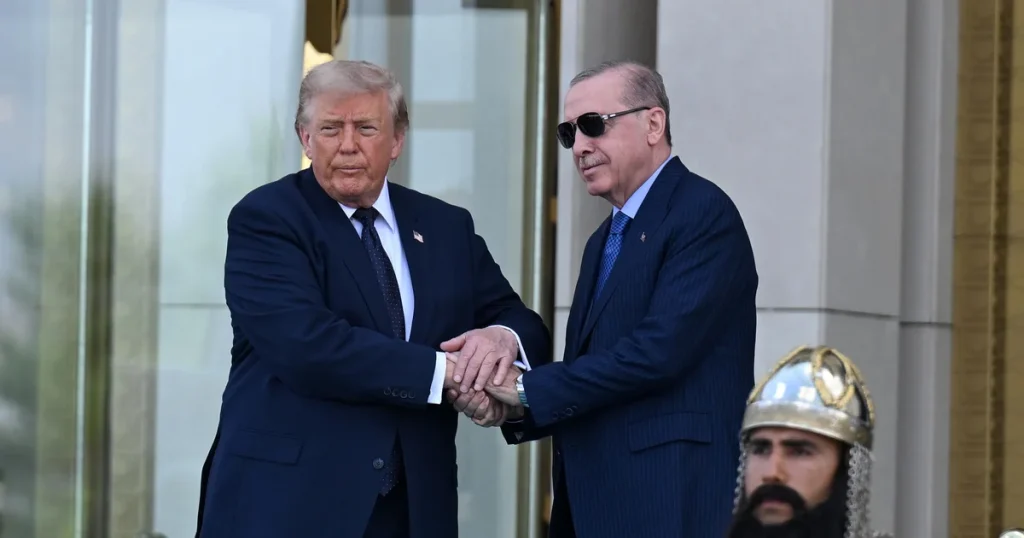
Trump Considers Reinstating F-35 Access for Turkey at NATO Summit in Ankara
Trump weighs allowing Turkey to have – As the NATO summit commenced in Ankara, President Donald Trump and Turkish President Recep Tayyip Erdoğan convened to address shifting dynamics within the alliance. Trump emphasized Turkey’s status as a steadfast ally to the United States, contrasting it with several traditional Western partners. This sentiment marked a pivotal moment for the summit, with Trump signaling a potential reversal of earlier sanctions against Turkey. The decision could have far-reaching implications for the alliance’s cohesion and defense strategies.
Trump’s Stance on F-35 Jets and Sanctions
During a bilateral meeting in Ankara, Trump stated he would “consider” allowing Turkey to rejoin the F-35 fighter jet program. This move comes after the U.S. had previously barred Turkey from the initiative in 2019 due to its procurement of Russian military technology. The first Trump administration’s decision to suspend Turkey’s access to the F-35s sparked controversy, particularly among congressional Republicans who were wary of the risk of Russia influencing NATO’s military capabilities. However, the president now appears to prioritize closer ties with Turkey, despite lingering concerns within his own party.
“I was very disappointed with NATO,” Trump remarked. “And frankly, if it weren’t held in Turkey, where my friend happens to be a very strong leader — a very strong, uh, person — it’s possible that I wouldn’t have attended. I felt I had to attend.”
Erdoğan, meanwhile, highlighted the significance of the F-35s to Turkey’s military modernization. “As you know, the topic of the F-35 is not new for us, and we have previously discussed this issue with [the U.S.],” he noted. “And we have secured the five jets and Mr. Trump also promised us. Now, in the leaders’ summit discussions, I hope to ensure that the pledge we received … is addressed positively.”
The White House, when asked to clarify the situation, referenced Trump’s earlier statements without elaborating further. A reporter inquired about the president’s stance on potential F-35s interacting with Russian defense systems, to which Trump responded, “I have no concerns at all about anything. I mean, he’s a leader of a country that he’s made a much better country, much more powerful country. You see it — I mean, it’s beautiful, you get off, the roads are beautiful, it’s an amazing thing.”
Historical Context and Legislative Hurdles
Under the previous administration, Turkey’s participation in the F-35 program was halted, citing its acquisition of Russian S-400 missile systems. This action was reinforced by the 2020 Congressional legislation, the Countering America’s Adversaries Through Sanctions Act, which aimed to deter business with Iran, Russia, and North Korea. While the law initially barred the transfer of F-35 aircraft to Turkey, Trump now suggests it may be revisited. The White House has expressed openness to lifting these sanctions, framing Turkey as a strategic partner rather than a geopolitical adversary.
Senator John Cornyn, a Republican, voiced hope that Trump would not reintroduce Turkey to the program. Cornyn outlined the conditions for such a move, emphasizing the need for Turkey to demonstrate its commitment to reducing reliance on Russian defense systems. Trump, however, seemed unfazed by these requirements, stating, “We’re going to be taking the sanctions off. It’s time to do that. Okay? We don’t want to sanction friends. It’s very simple.”
Broader Implications for NATO and U.S. Foreign Policy
This year’s summit in Ankara represents a deliberate shift in Trump’s approach to NATO. The choice of location underscores his efforts to bolster Turkey’s influence within the alliance, particularly as relations with some European nations have grown tense. Turkey’s membership in NATO since 1952 has often been contentious, with its close ties to Russia and complex human rights record drawing criticism from allies. Yet, Trump’s alignment with Erdoğan highlights a strategic realignment that prioritizes bilateral interests over collective NATO objectives.
Trump has long advocated for NATO members to increase their defense spending to 5% of their GDP, a goal he has consistently pushed during previous summits. This year, the U.S. continues to emphasize the need for greater financial responsibility among allies, even as it gradually reduces its military presence in Europe. The president’s recent focus on Greenland, a move that has raised eyebrows in European capitals, further illustrates his tendency to pursue unilateral foreign policy initiatives.
Despite his past critiques of NATO, Trump remains a key figure in maintaining the alliance’s structure. His remarks during the summit suggest a willingness to adapt his approach, acknowledging Turkey’s reliability as a partner. However, this shift also highlights the fragility of NATO’s unity, as member states grapple with differing priorities. The F-35 decision may serve as a test case for whether Trump’s personal diplomacy can mend frayed relationships or deepen divisions.
Erdoğan’s remarks during the summit reflect his optimism about the U.S.-Turkey partnership. He emphasized that the five F-35 jets, which Trump had promised, represent a critical step forward for Turkey’s defense capabilities. The president’s commitment to honoring this pledge underscores a broader pattern of reinforcing alliances through symbolic gestures and verbal assurances. However, the challenge lies in translating these promises into tangible outcomes, particularly given the political and economic complexities surrounding Turkey’s role in the alliance.
The summit in Ankara has been a strategic victory for Turkey, positioning it as a leader in the NATO framework. This comes at a time when the country has sought to assert itself as a key player in regional and global affairs. Trump’s decision to consider reinstating F-35 access aligns with Turkey’s aspirations, potentially strengthening its position against European skepticism. Yet, it also raises questions about the balance between individual alliances and collective security goals.
As the summit progresses, the focus on F-35s and sanctions will likely shape discussions on NATO’s future. Trump’s approach, characterized by personal diplomacy and a pragmatic view of alliances, may redefine the alliance’s priorities. The outcome of this summit could influence how NATO members perceive their obligations and the role of the United States in guiding the alliance. For Turkey, the prospect of rejoining the F-35 program offers a chance to reinforce its strategic importance, even as it navigates a complicated relationship with both the West and Russia.