
Ukraine Conducts Largest Drone Strike on Moscow in Over a Year, Reports Russian State Media
Over 500 Drones Target Moscow, Killing At Least Three
Ukraine attack largest in over a year – Russian state news agency TASS reported Sunday that Ukrainian forces launched a massive drone attack on Moscow, resulting in the deaths of at least three individuals and injuring others. The strike, described as the “largest in over a year” by TASS, targeted the Russian capital’s outskirts, with the city’s mayor, Sergey Sobyanin, confirming the scale of the assault. The attack followed a series of Russian strikes earlier in the week that focused on Ukraine’s capital, Kyiv, where at least 25 people were killed and dozens wounded, according to Ukrainian authorities.
“
The one-way ticket to a peaceful life in Patriarchy and the surrounding areas has been canceled,” said Ukraine’s commander of the Unmanned System Forces in a message posted on his official Telegram account. The remark was made as the drone strikes intensified across Moscow’s elite districts, signaling a shift in the conflict’s dynamics.
Casualties and Damage Spread Across Moscow Region
While the exact locations of the drone strikes remain unspecified, TASS highlighted several incidents. In Khimki, a town northwest of Moscow, a woman was killed when a drone struck a private home, with another individual trapped beneath the rubble. Sobyanin noted that the attack in Mytishchi, to the northeast of the capital, claimed two lives as debris from the drones fell onto an unfinished house, causing injuries to 12 people, including construction workers at an oil refinery.
Meanwhile, the Indian Embassy in Russia confirmed that one of its citizens was killed in the Moscow region, with three more injured in the drone assault. This marks the first time an Indian national has been reported as a casualty in the ongoing conflict. The Ukrainian Security Service added that forces struck critical infrastructure, including two oil pumping stations, an oil refinery, and the “Angstrom” plant, which supplies semiconductors to Russia’s military-industrial complex. These strikes are believed to have disrupted supply chains and energy operations in the region.
Russian Defenses Intercepted Over Half of the Drones
Russia’s Defense Ministry stated that it intercepted 556 Ukrainian drones overnight, though the exact number of successful hits remains unclear. Sobyanin, however, reported that air defenses had downed more than 120 drones heading toward Moscow and its surrounding areas. The remaining drones caused additional damage, including a fire at a house in the village of Subbotino and injuries to four people in the western town of Istra, where residential blocks were damaged.
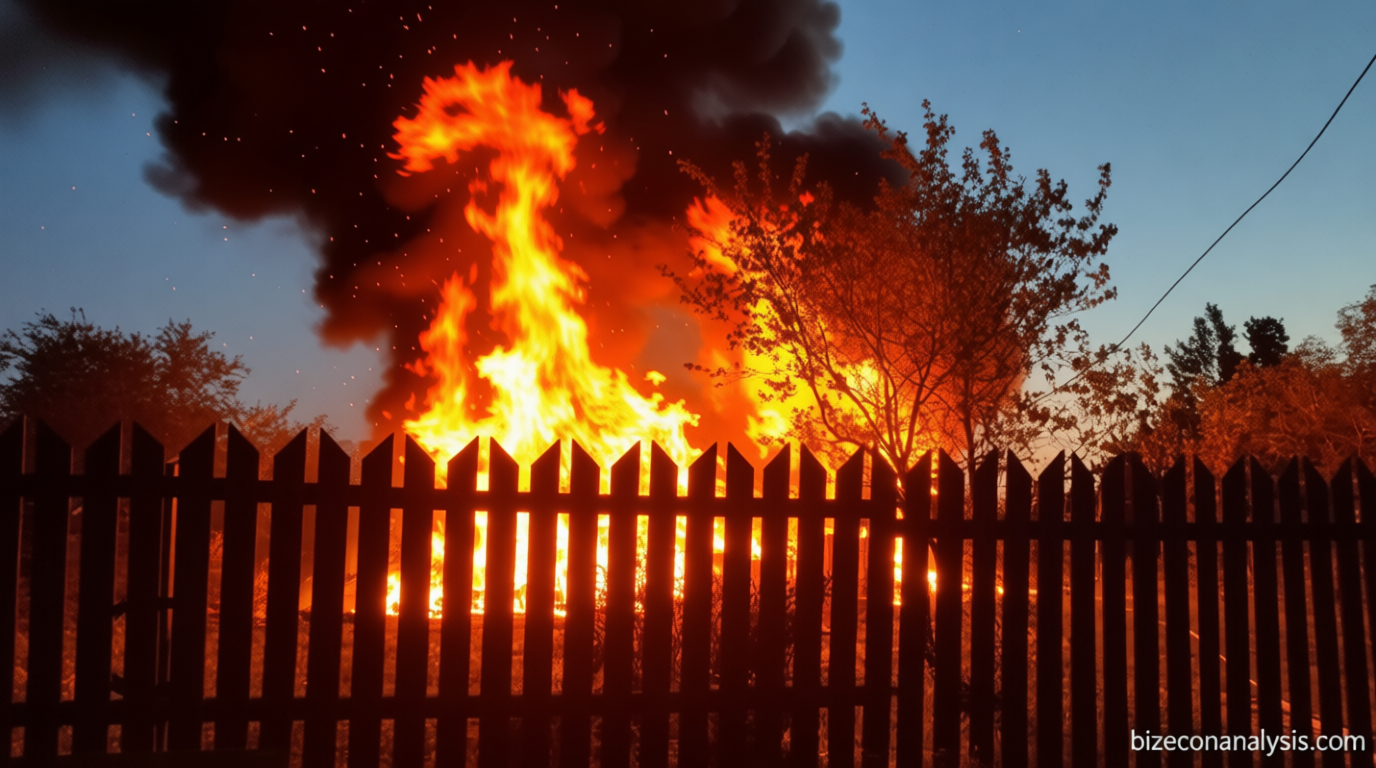
Despite the intensity of the attack, no injuries or damage were reported at Sheremetyevo Airport, Russia’s busiest air hub. TASS shared images of a home engulfed in flames and several apartment blocks damaged by drone strikes, though the specific locations were not detailed. These visuals underscore the widespread impact of the Ukrainian assault, with multiple areas experiencing infrastructure disruptions and civilian casualties.
Strategic Context: Victory Day Parades and Escalating Strikes
Just a week prior, Russia had held a scaled-down Victory Day military parade, a tradition showcasing its military might. The event came after intensified Ukrainian strikes on deep-seated Russian targets, particularly oil refineries. The recent drone attack on Moscow appears to be part of a broader strategy to challenge Russian defenses and draw attention to the war’s evolving nature.
The Ukrainian Air Force noted that Russia launched 287 drones overnight, with the majority intercepted by Ukrainian forces. The service reported that only eight drones escaped, targeting seven locations across Ukraine. This data suggests a coordinated effort to maximize damage while minimizing losses. The strikes on Moscow’s outskirts are also seen as a symbolic move, targeting the heart of Russian power to undermine morale and infrastructure.
Impact on Civilian Life and Infrastructure
The attack has raised concerns about the safety of civilians in Moscow, particularly in residential areas. Sobyanin emphasized the threat posed by falling debris, which has already caused injuries and fatalities. The damage to the oil refinery in Mytishchi highlights the potential for economic disruption, as Moscow’s energy sector remains a key target.
In addition to the direct hits, the scattered drone fragments have created a sense of unpredictability. For instance, debris landed on the grounds of Sheremetyevo Airport, though no structural damage or injuries were reported. This incident underscores the difficulty of defending against such a large number of drones, even in areas considered secure.
Global Reactions and Ongoing Conflict
As the conflict continues, the scale of the drone assault has drawn international attention. Analysts suggest that the attack reflects Ukraine’s growing capability to strike deep into Russian territory, leveraging advanced drone technology to bypass traditional defenses. The Russian response, however, has remained robust, with air defenses playing a crucial role in neutralizing a significant portion of the incoming drones.
The incident also highlights the shifting nature of the war, where both sides are increasingly using precision strikes and long-range attacks to gain strategic advantages. While Moscow has historically been a target of Ukrainian strikes, the recent assault has intensified the focus on the capital, raising questions about the long-term implications for Russian military operations and civilian infrastructure.
As the situation develops, both sides are likely to continue refining their tactics. The Ukrainian forces’ ability to deploy over 500 drones in a single night demonstrates their commitment to targeting key Russian assets, even at the risk of heavy casualties. Meanwhile, Russia’s emphasis on intercepting these drones shows its determination to protect critical infrastructure and maintain control over its territory.
With the war entering a new phase, the attacks on Moscow serve as a reminder of the ongoing conflict’s reach and intensity. The combination of drone strikes and the damage they have caused in both residential and industrial areas signals a broader confrontation that extends beyond the front lines. As the battle for strategic dominance continues, the Moscow attack stands as a pivotal moment in the evolving narrative of the Ukraine-Russia war.
Additional reports from the field indicate that the strikes may have had a broader impact on Moscow’s supply networks. The destruction of the Angstrom plant, for example, could hinder Russia’s ability to produce essential components for its military equipment. Such disruptions may force Moscow to reconsider its logistics and defense strategies, further complicating its position in the conflict.
Residents of Moscow and surrounding areas have been advised to remain vigilant, with some expressing concern over the safety of their homes and workplaces. The attack has also prompted discussions about the need for improved air defense systems and the potential for increased civilian casualties in future strikes. As the war progresses, the balance between military objectives and civilian protection will remain a central issue for both nations.
In summary, the drone assault on Moscow represents a significant escalation in the Ukraine-Russia conflict, with far-reaching consequences for both military and civilian life. The coordinated strikes, involving over 500 drones, have tested Russia’s defenses and exposed vulnerabilities in its infrastructure. As the battle continues, the impact of such attacks will likely shape the future of the war, influencing strategies, resources, and public perception on both sides.





