
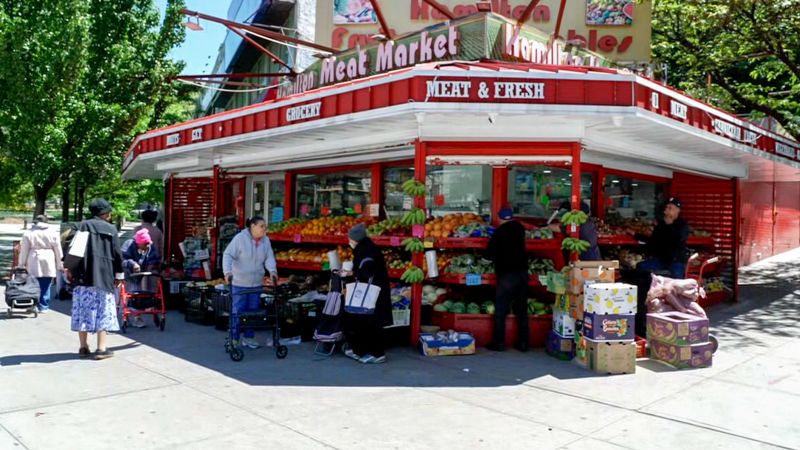
The Cost of Living in the US Affects Latino Voters
The cost of living in the US – The rising cost of living in the US is increasingly shaping the political landscape for Latino voters, with economic strain becoming a central issue in midterm elections. As inflation climbs and everyday expenses soar, many within the community are struggling to meet basic needs, even as national economic indicators remain steady. This growing financial pressure has sparked conversations about how the cost of living disproportionately impacts Latino families, influencing their views on candidates and policies.
Economic Discontent and Voter Behavior
Latinos across the country are expressing frustration over the cost of living, which has become a defining concern as they prepare to cast their votes. A recent CNN poll highlights that 70% of Americans disapprove of President Donald Trump’s economic management, with over seven in 10 voicing dissatisfaction with inflation and gas prices. For Latino voters, these challenges are not abstract—they are felt in the weight of grocery bags, the climb of rent, and the dwindling funds for family support.
Stories of Struggle and Adaptation
Esmeralda Roustand, a 60-year-old Dominican grandmother working as a home health aide, exemplifies the toll of inflation. “There’s almost $20 in here and basically nothing,” she said, holding a small bag of groceries in New York. Her situation reflects a broader trend: Latinos are often forced to make difficult trade-offs, such as cutting back on outings or meals, just to afford essentials. Juan Galván, a young student, noted, “Every month, I have to check whether I can afford to eat out or whether I have enough to pay rent.”
María Sofía González, an Ecuadorian mother, described how the cost of living has reshaped family traditions. “We’ve had to give up certain little pleasures,” she said, recalling meals out and city walks that are now rare. Similarly, José Rosario, a seven-year veteran of a Manhattan butcher shop, observed changing consumer habits. “Before, with $100, you could fill up a shopping cart,” he explained, now seeing customers buy only what they can afford.
Structural Factors Exacerbating Costs
Experts point to structural economic factors that amplify the cost of living for Latinos. According to the Bureau of Labor Statistics, Hispanic households spend nearly 15% of their income on food, significantly higher than the national average. Additionally, many Latino families rely on cars for transportation, making them more vulnerable to surging gas prices. “When prices of basic necessities rise, the impact on families is significant,” said Michael Negrón, a former White House economic adviser. “It’s not just about inflation—it’s about how it affects daily life.”
With the national average gas price exceeding $4.50, and annual inflation hitting 3.8% in April, the strain on Latino budgets is undeniable. These figures underscore a reality where even modest incomes are stretched thin, forcing individuals like Roustand and Galván to rethink their spending habits. “No matter how much you try to stretch your money, you just can’t anymore,” Roustand said, highlighting the limits of financial adaptability in the face of relentless cost increases.
“The cost of living has become a daily battle for many Latinos,” said Yuberkis Suriel, a New York resident. “It’s not just about the price of groceries—it’s about the choices we have to make every time we go to the store.”
As the midterm elections approach, the cost of living is expected to play a pivotal role in shaping voter priorities. With economic anxiety rising, Latino communities may increasingly align their support with candidates who prioritize policies addressing inflation, housing, and transportation costs. The challenge, however, remains: how to translate growing frustration into political action without losing sight of the broader economic context.





