
250 missing after migrant boat sinks in Indian Ocean
250 Missing After Migrant Boat Sinks in Indian Ocean
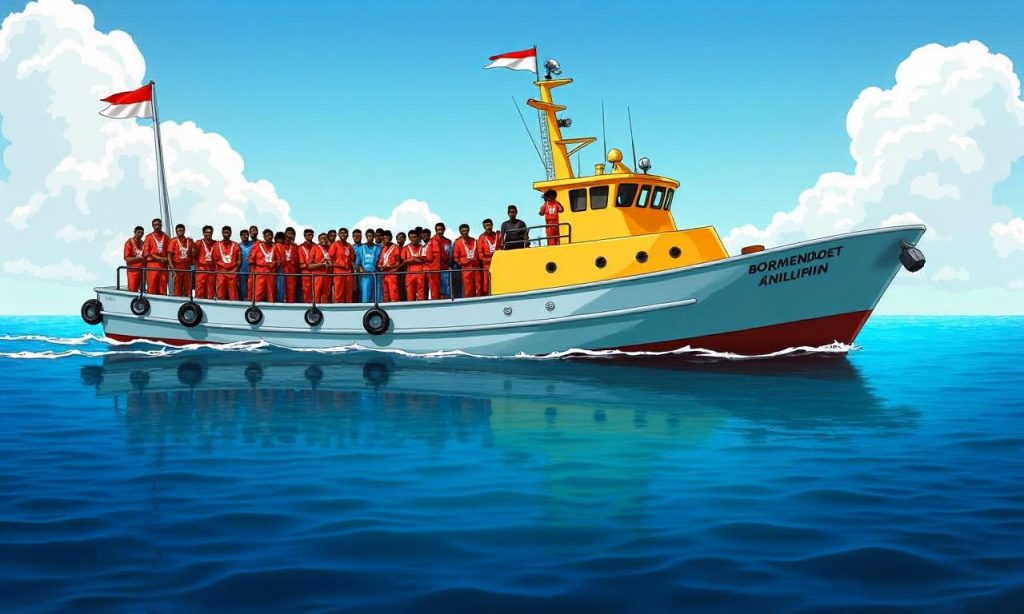
Over 250 Rohingya and Bangladeshi individuals, including minors, are unaccounted for following a boat disaster in the Andaman Sea, reported by the United Nations’ refugee and migration organizations. The vessel, which left Bangladesh and was heading toward Malaysia, reportedly sank due to severe weather, turbulent waters, and excessive passenger load. The Bangladesh Coast Guard informed AFP that one of its vessels rescued nine survivors on April 9, though the precise moment of the incident remains uncertain.
Since a violent crackdown in Myanmar in 2017, hundreds of thousands of Rohingya have crossed into Bangladesh. This group, predominantly Muslim, is excluded from citizenship by Myanmar’s government, a nation where Buddhism is the majority religion. Despite their displacement, overcrowded boats remain a common choice for Rohingya seeking safer conditions in Malaysia, a Muslim-majority country often seen as a potential refuge.
“I drifted for nearly 36 hours before being picked up,” said Rafiqul Islam, a survivor. “Oil from the boat burned my skin, and the promise of work in Malaysia was what made me take the risk.”
The UN agencies highlighted that the tragedy underscores the severe impacts of prolonged displacement. With ongoing conflict in Rakhine State, their homeland, hopes for a safe return have diminished. Shrinking humanitarian aid and difficult living conditions in refugee camps have driven many to embark on perilous sea crossings in search of better opportunities.
These boats are typically small, with cramped interiors and minimal amenities such as clean water and sanitation. Many do not reach their destinations. Some perish at sea, while others are detained or deported upon arrival. In January 2025, Malaysia rejected two vessels carrying approximately 300 refugees, providing them with food and water before turning them away.
A Rohingya refugee in Cox’s Bazar once told Reuters, “People are dying in the fighting, dying from hunger. Some think it’s better to die at sea than to suffer slowly here.” The agencies urged the global community to maintain financial support for Rohingya refugees and their Bangladeshi hosts as Bangladesh begins its new year. They emphasized the urgent need to tackle the root causes of displacement in Myanmar and enable Rohingya to return home safely and with dignity.
