
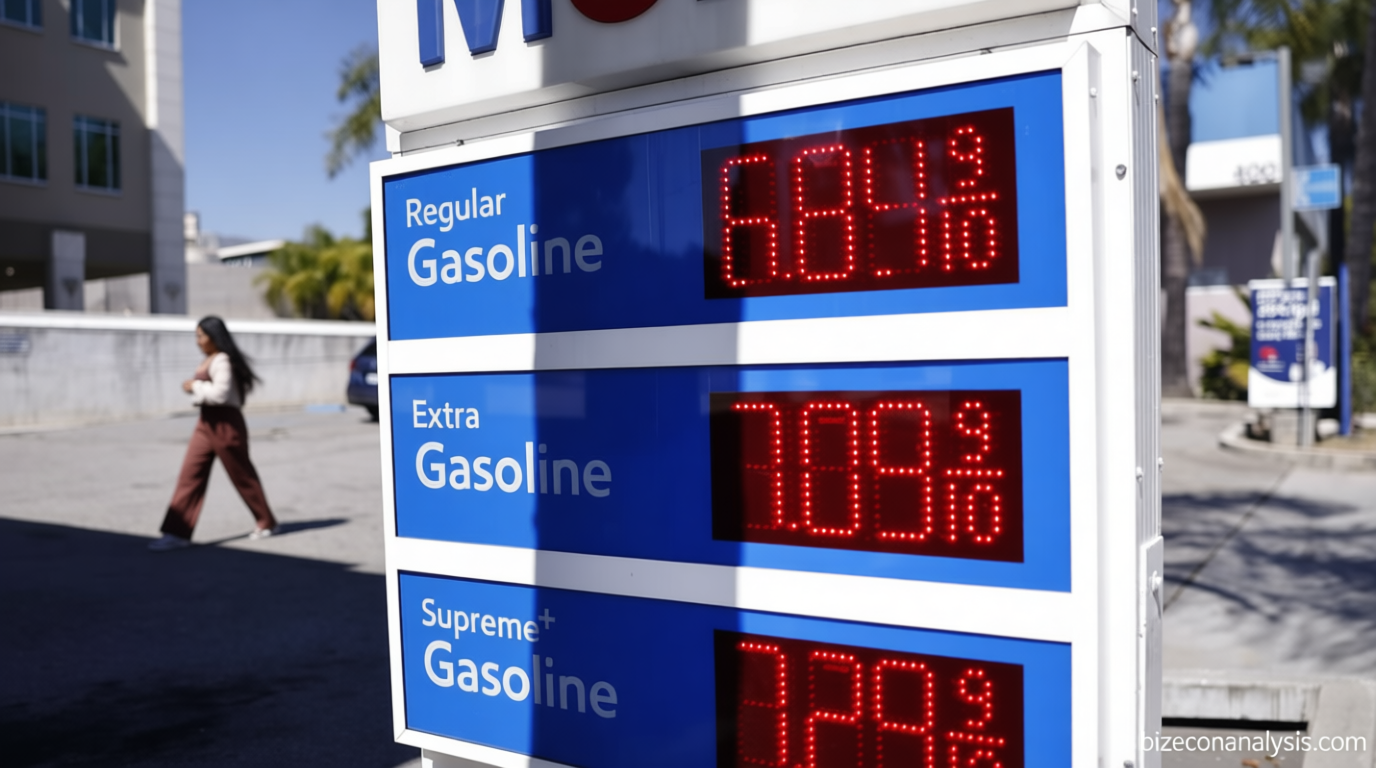
Memorial Day sticker shock: Gas prices near all-time highs
Memorial Day sticker shock – As millions of Americans prepare to embark on road trips this Memorial Day weekend, the cost of fuel has reached levels not seen in decades. The ongoing conflict with Iran has sent shockwaves through global energy markets, driving pump prices to historic peaks despite efforts by the Trump administration to curb the surge. This situation has exacerbated concerns about rising living expenses, casting a shadow over public sentiment toward the president’s economic policies.
A Record-Breaking Fuel Price
GasBuddy, a real-time fuel tracking service, predicts that the national average for regular gasoline will hover around $4.48 per gallon during the Memorial Day holiday. This figure marks a 42% increase compared to last year’s Memorial Day average and stands as the second-highest on record, according to the company’s data. The only time gas prices exceeded this mark was in 2022, when the average climbed to $4.61 per gallon following the Russian invasion of Ukraine.
“Prices were incredibly stable last summer. This summer is probably the complete opposite, perhaps the most volatile,” said Patrick De Haan, GasBuddy’s head of petroleum analysis, when discussing the current trend.
De Haan warned that the national average could surpass $5 per gallon next month if the Strait of Hormuz remains closed, a critical shipping passage for oil exports. The summer season, spanning from Memorial Day to Labor Day, is forecasted to see average gas prices rise to $4.80 per gallon, breaking the previous summer record of $4.43 set under President Biden in 2022.
Impact on Daily Life and Finances
The financial strain of higher gas prices is particularly acute for individuals with long commutes. Chris Haenel, a Pittsburgh-based computer technician, shared his experience of spending $80 weekly on fuel—double the $40 he previously paid before the Iran war escalated. “Every day, I drive by the gas station and it’s just insane,” Haenel remarked, highlighting the growing frustration with rising costs.
“Everything goes up – except the paycheck. My wife comes home with three bags of groceries and it’s $300,” Haenel added, emphasizing how the cost of living is outpacing his savings for retirement.
According to estimates from Brown University’s Climate Solutions Lab, Americans are facing an estimated $43 billion increase in energy costs since the Iran war began. This projection is based on current gasoline and diesel prices compared to what they might have been in a scenario without the conflict. Gasoline alone accounts for nearly $24 billion of this spike, equating to almost $200 per household.
Political Backlash and Public Sentiment
Amid the economic challenges, voters are expressing dissatisfaction with how President Trump has managed energy costs, a topic that once defined his political appeal. A recent CNN poll revealed that just 21% of Americans approve of Trump’s performance on gas prices, with a majority of Republicans opposing his approach.
“President Trump remains committed to fully unleashing American energy dominance, lowering costs, and putting more money back in the pockets of hardworking American families,” stated Taylor Rogers, a White House spokeswoman, in response to the criticism.
The administration has implemented a series of measures to stabilize prices, including releasing oil from the Strategic Petroleum Reserve, waiving the Jones Act, invoking the Defense Production Act, and temporarily halting Russian oil sanctions. These actions, described as “break-the-glass” steps, aim to shield consumers from further price increases. However, Trump has dismissed the current spike as a minor inconvenience. “This is peanuts,” he told reporters, suggesting the situation will soon improve.
Long-Term Economic Consequences
The surge in gas prices has also contributed to a broader inflationary trend, pushing the US inflation rate to nearly 4% in April. For the first time in three years, real wages—adjusted for inflation—are declining, indicating that consumer prices are rising faster than earnings. This dynamic has left many struggling to afford everyday expenses, particularly in a country where transportation costs represent a significant portion of household budgets.
While the Trump administration emphasizes energy independence and market resilience, some Americans remain skeptical. Gary Auerswald, a retired Illinois resident, argued that the price increase is not a small burden. “It’s not a small price to pay,” Auerswald said, reflecting the growing concern among citizens about the economic toll of the ongoing conflict.
Looking Ahead: Stability or Further Uncertainty?
The White House maintains that the blockade of Iran and its efforts to secure global energy markets will eventually lead to stabilization. “As the president continues to exert maximum leverage over Iran with the ongoing successful blockade to bring this conflict to an end, we will see global energy markets stabilize and gas prices plummet back to the multi-year lows Americans enjoyed prior to the start of Operation Epic Fury,” Rogers claimed.
However, the path to recovery remains uncertain. The continued closure of the Strait of Hormuz, along with geopolitical tensions, could prolong the price surge. Analysts suggest that the summer season will see prices fluctuate more than in previous years, driven by a combination of supply chain disruptions, geopolitical events, and domestic policy decisions. For many, the cost of gas is no longer a seasonal inconvenience but a persistent challenge that threatens to undermine economic confidence and consumer spending.





