
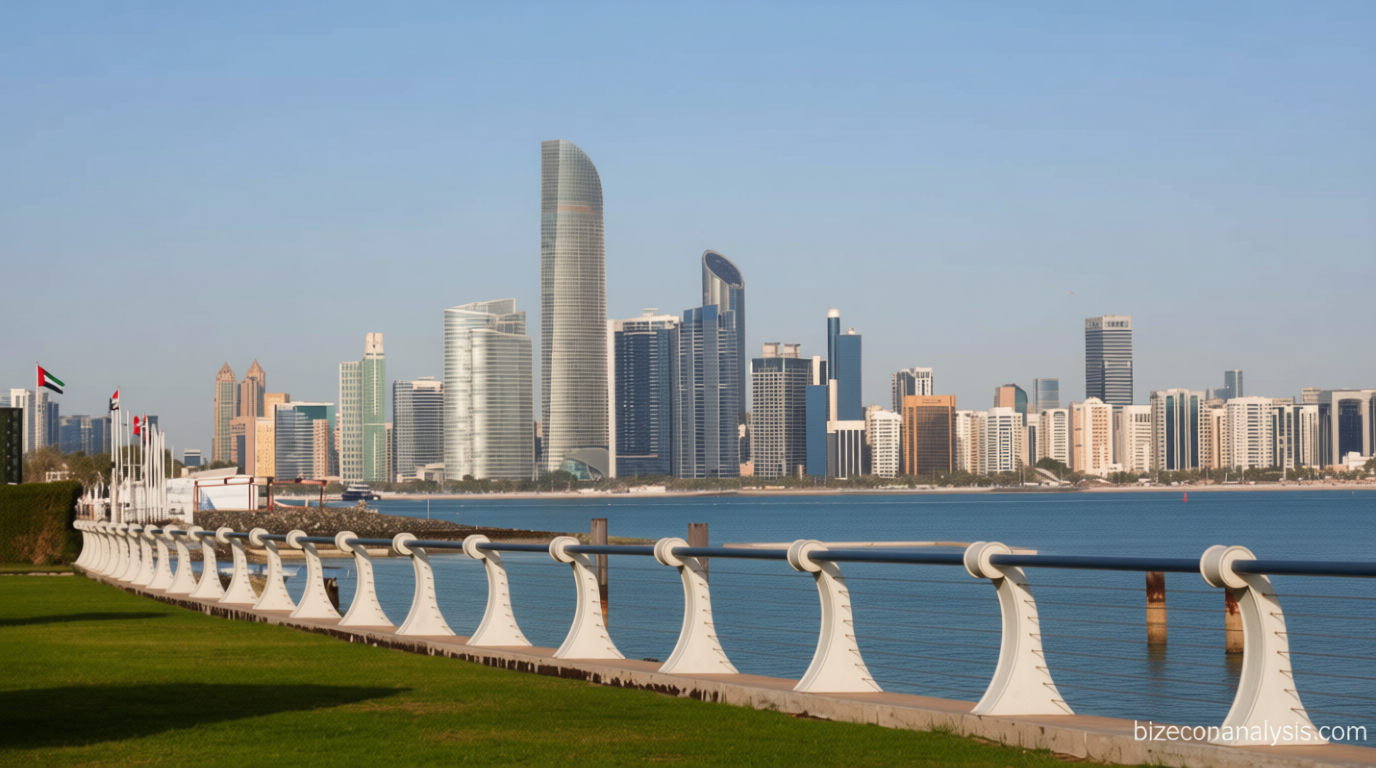
Abu Dhabi’s Bold Move in Tourism Amid Regional Tensions
Abu Dhabi is doubling down on tourism – Despite ongoing regional conflicts, Abu Dhabi continues to invest heavily in its tourism sector, signaling a steadfast commitment to becoming a premier destination in the Middle East. The emirate’s strategic approach has not wavered in the face of challenges, including missile and drone attacks attributed to Iran. These strikes, which have targeted critical infrastructure, have raised concerns about the safety of the UAE’s tourism industry. Yet, the capital remains undeterred, unveiling a major project that underscores its ambitions to expand its global appeal.
A New Era of Immersive Tourism
On May 14, 2026, Abu Dhabi announced a significant investment of $1.7 billion in an innovative attraction known as Sphere, a cutting-edge entertainment complex designed to redefine the visitor experience. This project, spearheaded by US-based Sphere Entertainment Co, will feature state-of-the-art technology and creative venues, with its debut set for 2029. The first Sphere, launched in Las Vegas in 2023, has already showcased the potential of such spaces, hosting iconic performances by U2 and Phish. By replicating this model in Abu Dhabi, the emirate aims to position itself as a hub for dynamic and unforgettable tourism experiences.
“We are doubling down on our tourism ecosystem as a whole,” said Mohamed Khalifa Al Mubarak, chairman of Abu Dhabi’s Department of Culture and Tourism (DCT), during the announcement. This statement reflects the broader vision of the UAE to transition from a traditional oil-dependent economy to one that thrives on cultural and leisure offerings. Al Mubarak emphasized that the initiative is part of a larger strategy to attract international visitors and solidify Abu Dhabi’s reputation as a world-class destination.
The move aligns with existing efforts to diversify the UAE’s economic landscape. Over the years, Abu Dhabi has prioritized the development of iconic landmarks such as the Saadiyat Island Cultural District, which houses the Louvre Abu Dhabi, and the upcoming Guggenheim Museum branch. These attractions have already drawn millions of tourists, contributing significantly to the emirate’s GDP. In 2025, the tourism agency reported that Abu Dhabi welcomed 26.6 million visitors and accommodated 5.9 million hotel guests, a testament to its growing popularity.
Challenges and Resilience
However, the war between the US and Israel against Iran has cast a shadow over these aspirations. Since late February, Iran has launched drone and missile attacks targeting UAE infrastructure, including airports. A recent incident last Sunday, where a drone strike ignited a fire near a nuclear facility, prompted the International Atomic Energy Agency to highlight the risk to nuclear safety. Despite the disruption, Abu Dhabi authorities confirmed that no radioactive material was released, and there was no threat to the public or environment.
Such attacks have impacted the tourism sector, with hotel occupancy rates plummeting during the Eid al-Fitr holiday in mid-March. According to CoStar, a real estate data provider, occupancy fell by 45% compared to the previous year. This decline is attributed to widespread flight cancellations triggered by the conflict. Although the UAE lifted airspace restrictions in early May, many airlines remain cautious, with Lufthansa suspending flights to Abu Dhabi until late October. This hesitancy has slowed the recovery of air travel, which is vital for sustaining tourism growth.
Despite these setbacks, signs of resilience are emerging. Al Mubarak noted that international travelers are gradually returning, citing a “regional tourism resurgence” in recent months. Abu Dhabi’s flagship airline, Etihad, is currently operating at approximately 80% capacity, indicating a steady flow of demand. The airline’s performance contrasts with the early February 27, 2025, when 250 flights arrived at Zayed International Airport, compared to the 200 daily flights observed by the end of the week. This data highlights the temporary disruption but also the sector’s ability to adapt.
Expert Insights on Recovery and Strategy
Aaron Goldring, a senior tourism economist at Oxford Economics, emphasized the importance of perceived safety in attracting visitors. He suggested that the UAE will need to intensify its marketing efforts and public relations campaigns to rebuild confidence. “Tourism is already a critical sector for them, but its role will only grow in the future,” Goldring remarked. He also noted that the duration of the conflict will determine how quickly the emirate can recover, underscoring the long-term nature of its tourism ambitions.
The UAE’s strategic focus on tourism has been a priority since the launch of the Abu Dhabi Tourism Strategy 2030 in 2024. This plan outlines billions in investments for infrastructure, marketing, and sustainable development, ensuring the sector remains a cornerstone of the emirate’s economic resilience. The ongoing construction of the Guggenheim Museum on Saadiyat Island, for instance, continues despite the war, reflecting the government’s determination to deliver world-class attractions.
Experts like Nancy Gard McGehee, a hospitality and tourism professor at Virginia Tech, argue that the conflict is unlikely to have lasting effects on Abu Dhabi’s tourism trajectory. “It’s a long game for the UAE and other Middle Eastern destinations,” McGehee told CNN. “They are a wealthy nation with a sophisticated approach to tourism planning, which positions them to weather short-term disruptions.” Her analysis highlights the UAE’s ability to leverage its resources and strategic foresight to sustain growth.
As the Sphere project progresses, it serves as a powerful symbol of Abu Dhabi’s resilience. The emirate’s leadership has framed the investment as a “clear signal” of its unwavering dedication to tourism, with Al Mubarak stating that Abu Dhabi is “open, ambitious, and unwavering in its direction.” This mindset is critical for maintaining momentum, especially as the global market begins to recover from the war’s initial shock.
The UAE’s tourism strategy is not only about building attractions but also about creating an environment that caters to diverse interests. From cultural landmarks to modern entertainment hubs, the emirate is positioning itself to appeal to a wide range of travelers. The success of the Sphere project, coupled with the continued development of existing sites, will be key to achieving the 39.3 million annual visitors target by 2030. This goal represents a 45% increase from 2025 figures, highlighting the scale of the emirate’s ambitions.
While the immediate effects of the conflict have been felt, Abu Dhabi’s long-term vision remains intact. By investing in projects like Sphere and maintaining its focus on infrastructure and marketing, the emirate is laying the groundwork for a robust tourism industry. The combination of economic diversification and cultural appeal ensures that Abu Dhabi will continue to attract visitors, even in the face of regional tensions. As the world watches the evolving situation, the UAE’s commitment to tourism stands as a beacon of resilience and innovation.





