
Trump says Netanyahu “has to be more responsible” with Lebanon, recent Israeli attack there was “too much”
Trump Criticizes Netanyahu’s Approach to Lebanon Amid Ceasefire Talks
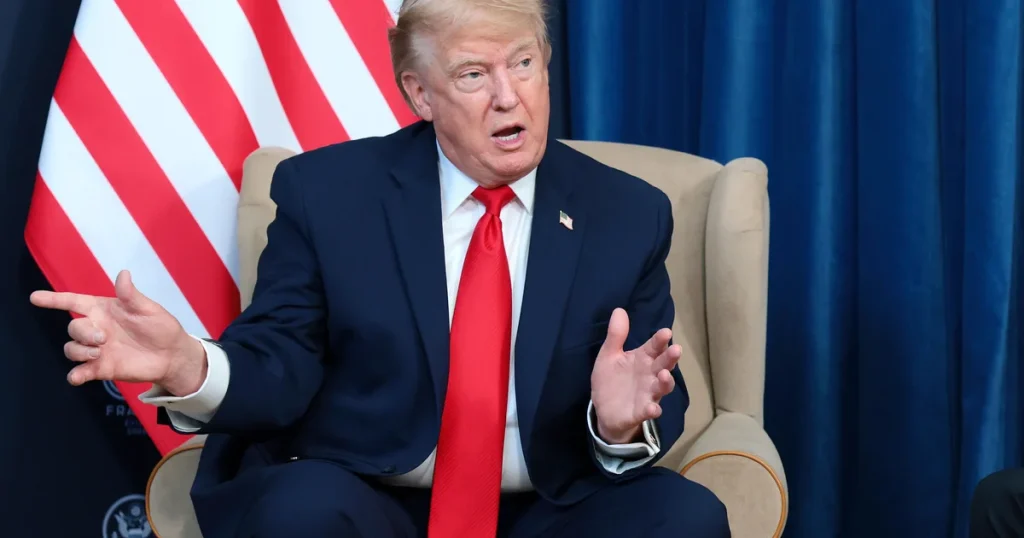
Trump says Netanyahu has to be more – During a press conference at the G7 summit in Évian-les-Bains, France, President Donald Trump expressed frustration with Israeli Prime Minister Benjamin Netanyahu’s handling of recent military actions in Lebanon. While acknowledging the strong alliance between the U.S. and Israel, Trump highlighted concerns over the intensity of the strikes launched against Hezbollah, a militant group backed by Iran. The comments come as tensions escalate over the delicate balance between conflict and diplomacy in the region.
Lebanon Strikes and Ceasefire Complications
Trump’s remarks followed a series of Israeli air strikes targeting a Hezbollah command center in Beirut, Lebanon, over the weekend. The attacks, which occurred just hours before a planned agreement with Iran was set to be finalized, raised questions about the stability of the ceasefire. According to Trump, the strikes were “vicious” and “too much,” suggesting they undermined the progress made in negotiations. The truce, aimed at reducing hostilities between Israel and Iran, is expected to be formally signed in Switzerland on Friday.
“I didn’t like where two hours before we’re signing the agreement that there was an attack in Lebanon, in Beirut,” Trump stated. “You can do too much also, but we’ve had a very effective relationship.”
While Trump emphasized the importance of the U.S.-Israel partnership, he also pointed out that the strikes could have jeopardized the deal. The president noted that Iran had warned of potential complications, prompting him to urge all parties to “stand down” and avoid further escalation. This moment of tension underscores the challenges of maintaining peace in a volatile region.
A Strong Alliance Under Scrutiny
Despite his criticism, Trump reiterated his admiration for Netanyahu, calling their relationship “great” and praising the prime minister’s leadership. However, he suggested that Netanyahu’s decisions in Lebanon may need adjustment. “Netanyahu has to be more responsible with respect to Lebanon,” Trump said, indicating a desire for more measured actions in the future.
Trump also criticized the prolonged Israeli campaign against Hezbollah, stating that the group had been targeted “too long.” He argued that the continuous strikes had resulted in unnecessary civilian casualties, as many of the victims were not combatants. “Too many people are being killed, and you don’t have to knock down an apartment house every time you’re looking for somebody,” he explained. “Because there are a lot of people in those apartment houses, and they’re not all Hezbollah, that I can tell you.”
“I suggested to Israel to let Syria take care of Hezbollah, because to be honest with you, I think they’d do a better job of doing it,” Trump added.
This suggestion highlights a strategic shift in Trump’s perspective, prioritizing regional cooperation over unilateral military actions. While Israel has historically relied on U.S. support, Trump’s remarks imply that the country’s autonomy in foreign affairs is being challenged. “Without me, there would be no Israel, because no other president was willing to do what I did,” he claimed, underscoring his belief in his role as a pivotal figure in Israel’s security.
Political Tensions and Strategic Implications
Trump’s frustration with Netanyahu has grown over the past weeks, with recent incidents fueling his discontent. Fox News reporter Trey Yingst reported that Trump had reportedly questioned Netanyahu’s decisions after the weekend’s strikes, asking, “What the f*** are you doing?” This direct exchange reflects the high-stakes nature of their collaboration and the pressure Trump feels to ensure the ceasefire remains intact.
Israeli officials, however, maintained that the truce with Iran does not bind their country to withdraw forces from Lebanon. “Trump’s agreement does not bind us,” they stated Monday, signaling a commitment to maintaining military presence in the region. This stance has drawn criticism from Iran’s foreign minister, who argued that any Israeli forces remaining in Lebanon would constitute a violation of the fragile agreement.
Global Context and Diplomatic Challenges
The G7 summit, where Trump made his comments, serves as a platform for addressing international crises. With the truce between Israel and Iran hanging in the balance, the summit’s discussions on regional security are critical. Trump’s remarks reflect a broader strategy of leveraging diplomatic talks to de-escalate conflicts, even as he calls for accountability in military operations.
Meanwhile, the strikes in Lebanon have reignited debates about the proportionality of Israel’s actions. While Hezbollah is a key target in the ongoing conflict, the attack on a Beirut command center sparked concerns about collateral damage. Trump’s criticism aligns with public sentiment in some quarters, which questions whether Israel’s campaign is overreaching in its efforts to combat Iranian influence.
“Without us, without the United States, there would be no Israel,” Trump asserted, emphasizing the role of American backing in Israel’s military success.
The president’s comments also touch on the historical context of U.S.-Israeli relations. He framed his leadership as essential to Israel’s survival, contrasting it with the policies of previous administrations. This narrative positions Trump as a defender of Israel’s sovereignty while advocating for a more restrained approach to conflict in Lebanon.
Path Forward and Regional Dynamics
As the ceasefire deal moves closer to formalization, the outcome of the Lebanon strikes will determine its success. Trump’s call for “responsibility” from Netanyahu suggests a desire to align Israel’s actions with the broader goals of regional stability. However, the prime minister’s continued military operations indicate a commitment to combating Hezbollah, regardless of external pressures.
The situation highlights the complex interplay between military strategy and diplomatic efforts. While Israel’s strikes may have disrupted the ceasefire, they also demonstrate the country’s resolve to counter Iranian-backed threats. Trump’s mixed message—praising Netanyahu’s partnership while urging caution—reveals the challenges of balancing support with oversight in international conflicts.
Legacy of Trump’s Israel Policy
Trump’s tenure has been marked by a strong emphasis on Israel’s security, often positioning the country as a critical ally in the Middle East. His remarks about the Lebanon strikes reflect this approach, highlighting the need for Israel to act decisively against Hezbollah. Yet, the incident also serves as a reminder of the risks associated with such actions, particularly in a region where tensions are already high.
As the G7 summit concludes and the ceasefire negotiations proceed, the next steps will be closely watched by global leaders. Trump’s comments provide insight into his vision for regional peace, even as they underscore the ongoing friction between his administration and Israel’s leadership. The outcome of these discussions could shape the future of Middle East diplomacy, with implications for both Israel and Iran.
In summary, Trump’s criticism of Netanyahu’s Lebanon strikes illustrates the delicate dynamics of international alliances. While the president acknowledges the importance of the U.S.-Israel relationship, he also emphasizes the need for strategic restraint. The ceasefire with Iran remains a focal point, but the recent attacks in Beirut have added a layer of complexity to the negotiations. As the situation evolves, the balance between military action and diplomatic compromise will be key to determining the success of the agreement.