
How 24 hours of whiplash over the Strait of Hormuz unfolded
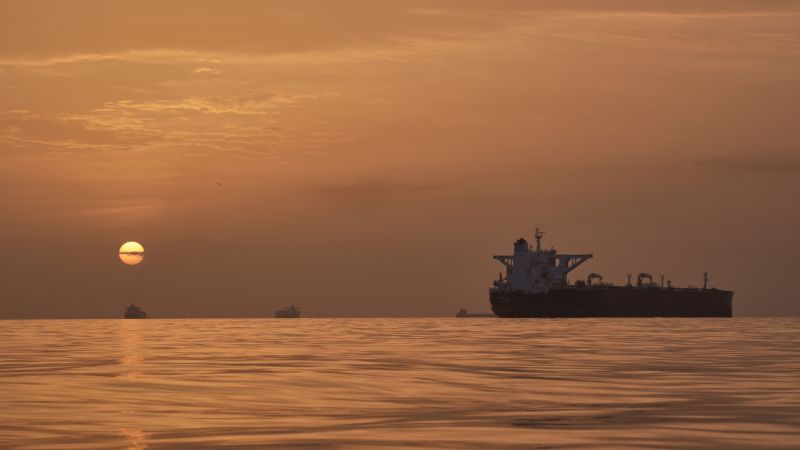
24 Hours of Turmoil at the Strait of Hormuz
A single day can shift the tide of events. Just 24 hours ago, optimism lingered as the US-Iran ceasefire neared its end, with some believing the Strait of Hormuz might finally clear for unimpeded traffic. Yet by Friday, the mood had reversed, as US President Donald Trump reaffirmed the blockade of Iranian ports, signaling no immediate easing of tensions.
Hope and Hesitation in Tehran
Iranian Foreign Minister Abbas Araghchi had hinted earlier on X that the strait would soon be fully accessible, while pledging coordination for shipping routes. His remarks briefly drove crude oil prices down 10 percent, but the enthusiasm faded quickly. Semi-official outlet Tasnim later lambasted Araghchi, accusing him of sowing confusion over the terms and mechanics of passage.
“Various ambiguities about the conditions for passage, its details, and its mechanisms.” – Tasnim
US Blockade Continues, Iran Responds
Trump reiterated that the US would maintain its port restrictions “in full force” until the Iran deal was finalized. By Saturday, the Islamic Revolutionary Guard Corps (IRGC) announced a renewed blockade of the strait, framing it as resistance to the US embargo. “Approaching the Strait of Hormuz will be considered cooperation with the enemy,” the IRGC declared, “and any offending vessel will be targeted.”
Sticking Points Remain
Despite the latest developments, the two nations appear locked in disagreement. Key unresolved issues include Iran’s retention of highly enriched uranium, the scope of its ongoing enrichment activities, and the terms for its surrender. A rare statement from Supreme Leader Mojtaba Khamenei underscored Iran’s resolve: “Our valiant Navy stands ready to make the enemies taste the bitterness of new defeats.”
“Our valiant Navy stands ready to make the enemies taste the bitterness of new defeats.” – Mojtaba Khamenei
General Mohammed Naqdi hinted at military preparedness, stating that if hostilities resume, Iran would deploy missiles produced in May 2026. “We can stop oil production,” he added, “but we did not want to create disturbances for the world, so we acted patiently.”
Behind-the-Scenes Momentum
While public talks stall, signs point to urgent backchannel negotiations. On Saturday, top US officials—including Defense Secretary Pete Hegseth and CIA Director John Ratcliffe—arrived at the White House, suggesting active discussions. However, the US has yet to confirm plans for a new round of talks as the ceasefire expires on April 21.
Trump’s stance remains firm, with no clear indication of whether the ceasefire will be extended. “Maybe I won’t extend it,” he warned, “so you’ll have a blockade and unfortunately we’ll have to start dropping bombs again.” Iran, meanwhile, shows no sign of yielding, keeping its military readiness on high alert.
