
House to vote on ICE funding, ending months-long impasse
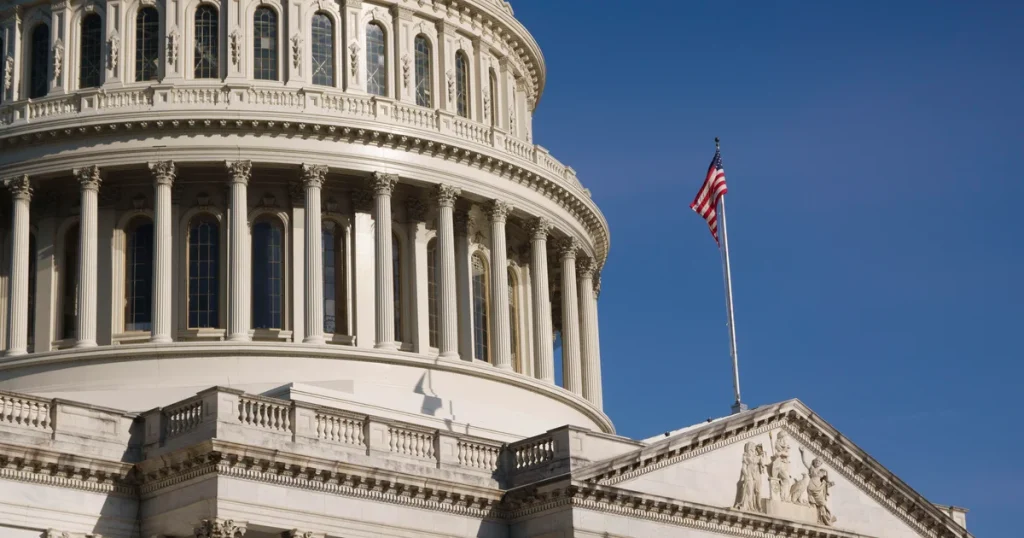
House to Vote on ICE Funding, Ending Months-Long Stalemate
Republicans Push Forward with Bill After Senate Approval
House to vote on ICE funding – Washington — The House of Representatives is preparing to take up a crucial vote on Tuesday, marking the culmination of a prolonged legislative struggle over funding for Immigration and Customs Enforcement (ICE) and Border Patrol. The measure, a $70 billion bill, was cleared by the Senate earlier this week following weeks of procedural delays and political maneuvering. This development comes as the Republican-led chamber aims to resolve a stalemate that has persisted since the start of the year, ensuring immigration enforcement agencies remain operational for the remainder of President Trump’s presidency.
The legislation, which passed the Senate in a close vote early Friday, had been a focal point of contention for months. House Republicans had initially planned to hold a vote late last week but postponed it due to internal negotiations and the need to align with Senate priorities. The delay was partly attributed to the administration’s demand for additional funds, including $1 billion allocated for the construction of a large ballroom at the White House and a nearly $1.8 billion initiative by the Justice Department to compensate individuals who claimed political persecution.
These provisions faced significant resistance from within the GOP ranks, leading to a rare instance of pushback against the president’s priorities. Senate Republicans, seeking to maintain unity, delayed the bill’s final passage until after their Memorial Day recess. Despite the delays, the administration’s request for the ballroom funding was eventually removed, and the Justice Department conceded it would no longer pursue the “anti-weaponization” fund. However, some lawmakers remained unconvinced, with amendments to formally block these payouts failing in a marathon voting session that stretched from Thursday into Friday morning.
Speaker Johnson: Balancing Urgency and Politics
House Speaker Mike Johnson, a Louisiana Republican, expressed confidence in the bill’s passage, acknowledging the challenges posed by the primary season. “We have to fund border enforcement and immigration enforcement, and everybody here knows that,” he stated Monday. “They’re going to have to put their personal preferences aside to get the job done.” Johnson noted that the House GOP’s narrow majority makes securing votes a delicate process, particularly as members grapple with the demands of campaigning and the need to meet the administration’s deadlines.
“Everybody here knows that, so they’re going to have to put their personal preferences aside to get the job done.” — House Speaker Mike Johnson
The House Rules Committee convened Monday to schedule the bill for floor debate, setting the stage for the Tuesday vote. While the exact timing of the vote remains fluid, the legislation is expected to be considered around 4:30 p.m., according to current schedules. This timeline reflects the urgency of the issue, as the administration had set a June 1 deadline for funding to avoid potential shutdowns of ICE operations.
The bill’s approval by the Senate was a critical step, but House Republicans still face the task of securing enough support to pass it. With a slim margin in the chamber, the party must balance its ideological commitments with the practical need to fund essential enforcement services. The delay in moving the legislation to the House floor highlights the complexity of aligning both chambers’ agendas, particularly when the Senate’s budget reconciliation process allows for quicker passage with a simple majority.
Funding Without Reforms: Democrats’ Stance
Democrats have consistently opposed the funding of ICE and Border Patrol without incorporating reforms to address the agencies’ policies. This stance has been a key point of contention, as House Republicans have pressed for the bill to move forward without significant alterations. The use of budget reconciliation to fast-track the funding bill underscores the strategic importance of the process in overcoming Senate filibusters, which require 60 votes to block.
By leveraging the reconciliation mechanism, Republicans have bypassed the need for Democratic support, ensuring the bill’s survival despite opposition. This approach has been both a tool for efficiency and a symbol of the broader ideological divide between the two parties. While the funding bill clears the Senate, its fate in the House will depend on whether lawmakers can prioritize enforcement needs over policy disagreements.
Key figures within the House GOP have emphasized the necessity of the vote, framing it as a matter of national security and border control. “Our focus is on ensuring that the agencies have the resources to carry out their missions effectively,” said one senior House aide. The bill’s passage would not only stabilize funding for ICE and Border Patrol but also signal a turning point in the legislative battle that has stalled progress for months.
Despite the Senate’s approval, the final outcome in the House remains uncertain. Some members have raised concerns about the bill’s scope, particularly its alignment with the administration’s priorities. However, the urgency of the situation and the potential for a government shutdown have compelled many to support the measure. The vote is seen as a critical test of Republican cohesion and a step toward fulfilling President Trump’s request for full funding for immigration enforcement during his remaining term.
Legacy of the Stalemate and Next Steps
The prolonged impasse over funding has tested the resilience of both chambers, with lawmakers on either side maneuvering to protect their interests. For the Senate, the decision to delay votes until after the Memorial Day recess demonstrated a willingness to compromise, albeit with limited success. For the House, the challenge lies in rallying members to approve the bill despite their reservations about the attached provisions.
As the House prepares for the vote, the focus shifts to the potential impact of the funding on immigration enforcement operations. With the agencies now set to receive long-term financial support, the debate over policy reforms may be deferred until after the current term. The outcome of Tuesday’s vote will not only determine the immediate future of ICE and Border Patrol but also shape the trajectory of immigration policy in the coming months.
Meanwhile, the administration’s original requests for the ballroom and anti-weaponization funds have been scaled back, reflecting the compromises made during the process. While the Justice Department has abandoned its push for the political persecution compensation, the $1 billion allocated for the White House ballroom remains part of the final bill, underscoring the trade-offs that have defined this legislative journey.
The resolution of this funding dispute marks a significant moment in the ongoing battle over immigration policy. As the House moves toward final approval, the focus on border security and enforcement has taken precedence, with lawmakers navigating the balance between political considerations and the practical need to fund essential services. The vote on Tuesday is expected to bring an end to the months-long deadlock, setting the stage for a new chapter in the administration’s immigration agenda.