
An Alabama mom was near death from lead poisoning. Who was trying to kill her, and why?
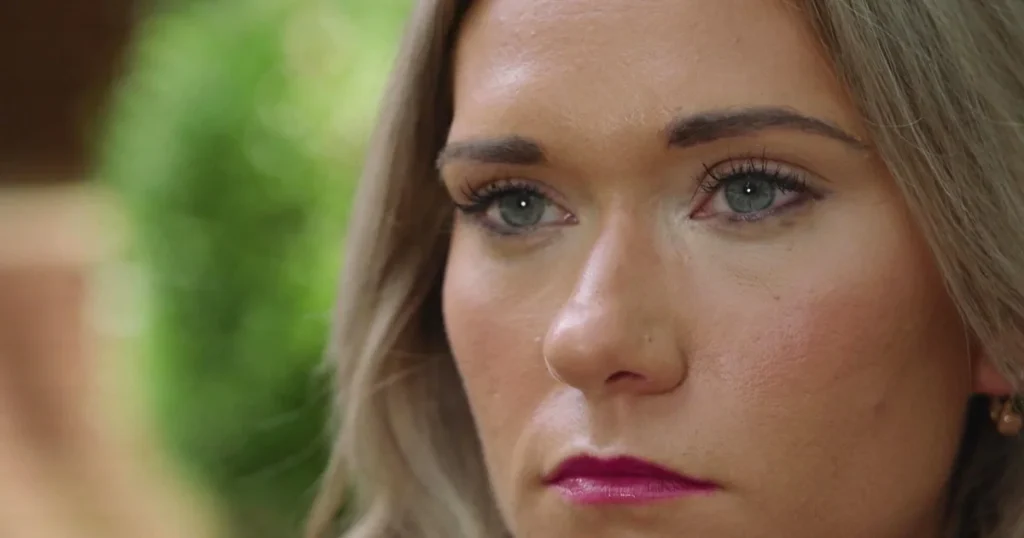
Alabama Mother Survives Near-Death Lead Poisoning; Husband Faces Attempted-Murder Charges
Bizeconanalysis.com – For nearly two full days, Hannah Pettey lay unconscious in a hospital bed at the University of Alabama at Birmingham, her body so depleted that medical staff told her mother she had hours left to live. What had driven this young mother to the brink of death was not an infection or a genetic condition. It was lead — administered slowly, deliberately, over months — and the person responsible was the man who shared her bed and her children’s lives: her husband, Brian Mann.
The case, which unfolded in January 2022 and has since become an attempted-murder prosecution, illustrates how insidiously lead poisoning can operate. Unlike acute poisonings that produce dramatic symptoms within hours, chronic lead exposure can mimic dozens of common ailments — fatigue, abdominal pain, cognitive fog, muscle weakness — and progress over weeks or months before a blood test reveals the truth. By the time Pettey reached UAB, her body had been under siege for roughly six months.
Six Months of Worsening Pain
By late 2021 and into early 2022, the pain had become constant and escalating. Pettey described the final weeks before her collapse as a period of near-total immobility.
“It was unbearable … I was in the bed at this point for probably like a week straight.”
Her son Lincoln was three years old; her daughter Gracie had just turned two. Pettey was too weak to attend Gracie’s birthday celebration. She moved around the house in a small office chair, rolling from room to room because walking had become nearly impossible.
“I was so weak that I couldn’t hardly walk. I had a little office chair that I would roll around in our house because I really didn’t get out of the house …”
Her husband, a practicing chiropractor, was present during this period but could not identify the cause. Mann later acknowledged the limits of his training.
“I had no idea … that’s out of my forte. Um, that’s someone that I would refer out, refer to a specialist, which is what I wanted to do.”
The Phone Call That Changed Everything
On January 18, 2022, Pettey placed a brief phone call to her mother, Nicole Pettey. After they hung up, Nicole felt something was deeply wrong with her daughter’s voice. She called back repeatedly, sent texts, waited. When Hannah finally answered, she could barely speak.
“Just know that feeling, I knew something was wrong.”
“I called and called and called and texted … Hannah called me finally … but she wasn’t able to speak. … So she just kind of gasped … and then she’d asked me, she said, ‘Mom, can you take me to the hospital?'”
Brian was at work. Nicole drove to her daughter’s home and brought her to UAB, where she remained at the bedside. During the wait, Nicole captured photographs and video of her daughter’s condition.
“The doctor … said, obviously she is very sick … I wanna keep her, but there’s … no way that they’re gonna let me keep her. Her, um, vitals are stable … I said … ‘if you send her home, she’s gonna die …'”
The Seizure and the Question of Responsibility
While Nicole was still in the room, Hannah suffered a severe seizure. In the chaos that followed, she tore off her hospital gown. Nicole described the sight as one she would never forget.
“… she was skin and bones … they told me that she was actually starving to death when we got there, they said she was, had hours to live …”
A physician confronted Nicole with a pointed question: who was responsible for a patient in such a state? Nicole answered that her daughter was married. The doctor’s reaction — surprise, as though the answer were unexpected — underscored how long Hannah had been left to deteriorate without adequate medical intervention.
“She’s like, does she live with you? Like obviously someone should have seen that this person was dying, you know. This person was starving to death. … She said, ‘who is responsible for her?'”
“And I said, she’s married and they said, ‘she’s married?'”
48 Hours of Silence
The seizure left Hannah unconscious. Doctors requested to speak with her husband. Nicole texted Brian a detailed message explaining the seizure, the loss of consciousness, and the possibility that Hannah might remain unresponsive for the rest of the day.
“Hey Brian, Hannah had a seizure about 2 hours ago. She still has not come to yet…they said she could be out all day long, so I wanted to let you know if she’s not texting you that is why…”
No reply came. Nicole said the pattern was not new. Throughout the marriage, she claimed, Brian had never attended a family gathering, a holiday, or any social occasion involving her. He had, in her words, never once interacted with her.
“… never seen him the whole time they were married … never … any interaction with him whatsoever.”
That evening, however, Brian learned of Hannah’s condition through his own mother, who had been in contact with Nicole. He arranged childcare and drove to the hospital, arriving around 9:30 p.m. Under pandemic-era visitor restrictions, only one person at a time could enter the room. Nicole was inside; Brian waited outside for an extended period.
“I was very irritated that Nicole was not switching out with me, um, letting me in, because I stood outside of that hospital for a long time, trying to get in that room with Hannah.”
When Nicole finally stepped out and Brian was admitted, he described seeing his wife in that state as a shock — though he added that he was relieved people were working to identify the problem.
“Yes … but I was glad that she was there … and — and people were trying to figure something out.”
When Mann departed for his work shift, Nicole returned to the bedside. Hannah remained unconscious. She had been that way for close to 48 hours. The nurses had just completed a routine check when Nicole leaned over her daughter.
“I kissed her head, and I said, ‘I love you.'”
What Lead Poisoning Means — and Why This Case Matters
Chronic lead exposure in adults typically produces nonspecific symptoms that overlap with dozens of other conditions, making diagnosis difficult without targeted blood-lead testing. Sources include contaminated water, old paint, certain traditional remedies, and — as alleged here — deliberate administration by someone with access to the victim’s food, drink, or medications. Because lead accumulates in bone and soft tissue over time, symptoms can worsen gradually over months before reaching a crisis point.
In Alabama, attempted murder carries a statutory penalty of two to 20 years in prison, with sentencing influenced by factors such as the victim’s condition at the time of trial and whether the defendant acted with intent to cause serious bodily harm. The Pettey-Mann case drew national attention precisely because the victim survived long enough to identify the source of the lead, transforming what might have been a quiet, unexplained medical tragedy into a criminal prosecution.
For Hannah Pettey, survival meant confronting the person she had trusted with her children’s daily care. For Nicole Pettey, it meant watching her daughter’s body fail over six months while the man who should have sought help stood by, unable — or unwilling — to act. The question the case forces on every reader is simple and unsettling: how long can a person be made to suffer before the system finally intervenes?
Related Reading
Frequently Asked Questions
What is An Alabama mom was near death?
An Alabama mom was near death is the main topic of this guide. The article explains the context, practical details, and next steps readers should understand.
Why does An Alabama mom was near death matter?
An Alabama mom was near death matters because readers are looking for a useful answer, not just a short summary. Good content should match search intent and help them decide what to do next.