
FDA approves new pancreatic cancer drug that could extend patients’ lives
A Decade-Long Wall Falls: FDA Grants Expedited Approval to First RAS-Targeting Pill for Pancreatic Cancer
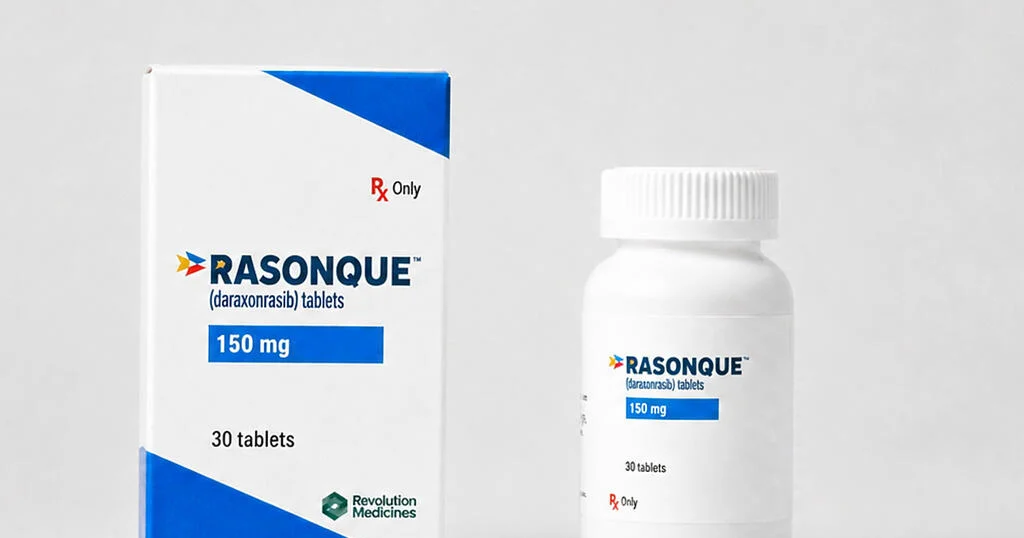
Bizeconanalysis.com – For roughly four decades, oncologists and molecular biologists have stared at a single gene family and called it untouchable. RAS mutations drive the vast majority of pancreatic cancers, yet no small-molecule therapy had ever been able to grip those altered proteins tightly enough to slow tumor growth. That impasse ended this week when the Food and Drug Administration granted expedited approval to daraxonrasib, marketed as Rasonque by Revolution Medicines, marking the first time a daily oral agent aimed directly at the mutated RAS machinery fueling advanced pancreatic tumors has reached patients in the United States.
What the Drug Actually Does
Pancreatic cancer is notoriously difficult to intercept early. By the time symptoms prompt a diagnosis, the malignancy has frequently already seeded distant organs. The American Cancer Society projects approximately 67,000 new U.S. diagnoses this year and more than 52,000 deaths, with a five-year overall survival rate hovering at just 13 percent. Within that grim landscape, KRAS mutations—subtypes of the broader RAS gene family that normally governs cell proliferation—act as the engine in well over 90 percent of cases. The structural geometry of the mutated protein had long resisted conventional drug-binding strategies, earning RAS the nickname “undruggable” among researchers.
Revolution Medicines, headquartered in Redwood City, California, developed a molecular-glue approach that allows the compound to latch onto multiple KRAS subtypes simultaneously. The result is a once-daily tablet designed to interrupt the signaling cascade that keeps pancreatic tumors growing and spreading.
Clinical Evidence Behind the Approval
The pivotal trial enrolled 500 patients whose metastatic disease had stopped responding to earlier lines of therapy. Participants were randomized to receive either the experimental pill or additional chemotherapy. Those assigned to daraxonrasib nearly doubled their median survival: 13.2 months versus 6.7 months for the chemotherapy arm. Severe adverse events were less frequent in the treatment group. Common side effects included skin rash, oral ulcers, diarrhea, and other gastrointestinal disturbances.
Voices from the Front Lines
Dr. Céline Gounder, a medical correspondent who has followed pancreatic-cancer research closely, framed the approval in historical terms:
“Most patients get the diagnosis of pancreatic cancer quite late, at which point it’s already metastatic, it’s already spread. This is a pill that blocks a protein called RAS, and mutations in RAS drive around 90% of all pancreatic cancers. Scientists have been calling RAS ‘undruggable’ for the last 40 years, and now finally, we have a drug for it.”
Dr. Andrew Coveler of the Fred Hutch Cancer Center called the decision one of the most anticipated regulatory actions in recent oncology history, while cautioning that the therapy represents a meaningful advance rather than a definitive cure:
“This is one of the most anticipated approvals I can think of. This medicine is not a cure but a significant improvement.”
A Patient’s Account
Former U.S. Senator Ben Sasse of Nebraska, diagnosed with stage-four pancreatic cancer last December, participated in the daraxonrasib clinical trial. Speaking on “60 Minutes” in April, he described the experience as transformative:
“I have much, much less pain than I had four months ago when I was diagnosed, and I have a massive 76% reduction in tumor volume over the last four months.”
At the time of his diagnosis, physicians had estimated a three- to four-month life expectancy. Sasse characterized the medication as a “miracle drug” and noted he was already living on what he called “extended time.”
Regulatory Timeline and Broader Implications
FDA regulators confirmed on Wednesday that the approval landed more than six months ahead of the agency’s internal target date. Acting Commissioner Kyle Diamantas emphasized the institution’s obligation to accelerate access to effective therapies:
“It is our fundamental duty to deliver more cures and meaningful treatments to patients as quickly as possible.”
Dr. Pashtoon Kasi of City of Hope Orange County, a California-based cancer center, suggested the approval could catalyze a wave of follow-on trials across other tumor types:
“I think this has opened doors for many other companies. Downstream I think there are going to be a lot more trials looking at this approach in other tumor types.”
Revolution Medicines is already exploring its molecular-glue platform in additional malignancies, including lung cancer, where RAS-family mutations also play a central role. If the technology proves broadly applicable, the approval could serve as a template for tackling other historically resistant oncology targets.
Cost and Access Considerations
Revolution Medicines announced that a one-month supply of Rasonque will retail at approximately $39,800. For a disease in which median survival without the new agent hovers near seven months, the price point will shape how quickly the drug integrates into standard-of-care pathways and how insurers structure coverage. Patients and oncologists will be watching closely whether the survival benefit translates into durable, real-world outcomes beyond the controlled trial setting.
What remains clear is that a therapeutic frontier once deemed impassable has been crossed. Whether the next decade brings additional RAS-directed agents for other cancers, or whether pancreatic oncology simply gains one more tool in a still-limited arsenal, the approval marks a structural shift in how the field approaches one of medicine’s most stubborn enemies.
Related Reading
Frequently Asked Questions
What is FDA approves new pancreatic cancer drug?
FDA approves new pancreatic cancer drug is the main topic of this guide. The article explains the context, practical details, and next steps readers should understand.
Why does FDA approves new pancreatic cancer drug matter?
FDA approves new pancreatic cancer drug matters because readers are looking for a useful answer, not just a short summary. Good content should match search intent and help them decide what to do next.