
NFL ends Pro Bowl after 75 years, will still honor roster at season’s end
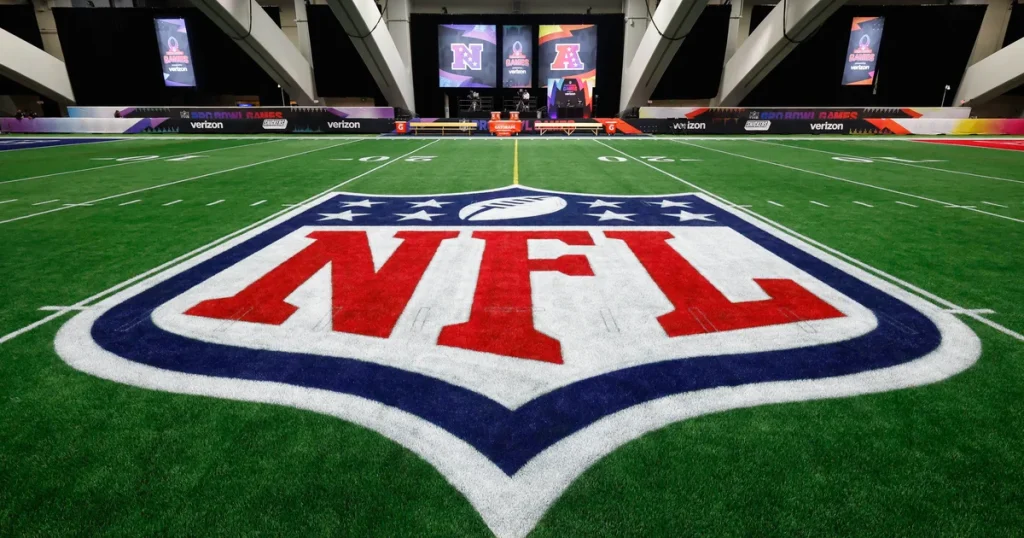
Seventy-Five Years of Exhibition Football Come to a Close
Bizeconanalysis.com – The NFL has officially retired the Pro Bowl, bringing to an end a postseason tradition that has run in one form or another since 1951. Announced on Wednesday, the decision eliminates the annual exhibition matchup between the league’s top performers — a game that had been a fixture of the post-season calendar for three-quarters of a century. The only prior interruption in that long run came in 2021, when the pandemic forced the league to cancel the event entirely.
What Continues: Selections and Ceremony
Despite scrapping the game itself, the league will preserve the honorific element of the tradition. A total of 88 players will be designated as Pro Bowlers following this season, and those selections will be recognized at a ceremony held in Los Angeles. The NFL confirmed that several flag football events will also be staged around the same occasion, giving fans a live-action component tied to the celebration.
One notable structural change accompanies the new format: replacement selections will no longer be made. In prior years, a player who was injured or who went on to play in that season’s Super Bowl could be swapped out for another performer. Going forward, the original roster of honorees stands as final.
This Season’s Honorees
The current cycle’s selections include Cleveland Browns rookie quarterback Shedeur Sanders, Jacksonville Jaguars linebacker Devin Lloyd, and Dallas Cowboys tight end Jake Ferguson — a mix of veteran production and emerging talent that underscores the breadth of the voting pool.
The Voting Mechanism Remains
The league emphasized that the method by which the roster is assembled will not change. Players, coaches, and fans each cast votes carrying equal weight, and the combined results determine who earns the designation. This tripartite system has been the backbone of Pro Bowl eligibility for decades and will continue to operate under the revised framework.
Official Statements
League executive vice president Peter O’Reilly framed the change as a return to what he described as the event’s founding intent.
“The Pro Bowl has always been about recognizing the players who distinguish themselves as the very best in the NFL,” O’Reilly said. “A Pro Bowl selection will return to its original purpose, honoring the best of the best. We want that distinction to carry even greater meaning for the players, their families, their clubs and our fans.”
The NFL’s broader news release stated its intention to “elevate” the selection process, stripping away the competitive-game trappings that had diluted the award’s prestige over time.
Player Input Shaped the Decision
Behind the scenes, the shift was not imposed unilaterally from the league office. NFL executive vice president of football operations Troy Vincent Sr. held a conference call this summer with more than a dozen star players to gauge their feelings about the event’s current state. Those athletes expressed a desire for a genuine celebration of the league’s all-stars rather than a midweek exhibition that had grown routine. Vincent relayed that sentiment back to decision-makers, and the outcome reflects the players’ preference for a ceremony over a scrimmage.
A Tradition That Faded
The Pro Bowl’s cultural footprint has contracted considerably over the past decade. For much of its history, the game was staged in Honolulu, Hawaii, where it became a quasi-tourist attraction and a marquee event on the island’s sports calendar. As attendance and viewership slipped, the NFL relocated the contest to a rotating list of host cities, attempting to reinvigorate interest through geographic novelty.
In 2023 the league took a more radical step, converting the event from full-contact tackle football to a flag football format. That change was intended to reduce injury risk and add a lighter, more entertainment-oriented tone, but it further eroded the perception of the game as a meaningful athletic contest. By the time the final announcement landed, the Pro Bowl had already lost most of its competitive identity, making the transition to a pure honors ceremony a logical endpoint rather than a sudden rupture.
Implications for Players and Fans
For the athletes involved, the new structure arguably restores the prestige that had been siphoned off by years of diminishing viewership and format experimentation. A Pro Bowl selection, untethered from a low-stakes exhibition, carries the weight of a career milestone comparable to an All-Star nod in other sports. Families, teammates, and local fan bases gain a clearer occasion for celebration without the ambiguity of whether the honor was earned through performance or simply through availability on a roster.
For fans, the loss of the game itself means one fewer weekend of postseason football. Yet the league’s stated aim is to concentrate the spotlight on individual excellence rather than diffuse it across a 22-on-22 scrimmage. Whether the Los Angeles ceremony and accompanying flag football events can generate comparable excitement remains to be seen, but the NFL has made clear that it views the selection — not the scoreline — as the enduring value of the institution.
The Pro Bowl’s 75-year arc, from its 1951 origins through pandemic cancellation, format pivots, and geographic migrations, now closes with a deliberate act of simplification. What survives is the name, the vote, and the honor. What departs is the game.
Related Reading
Frequently Asked Questions
What is NFL ends Pro Bowl after 75 years?
NFL ends Pro Bowl after 75 years is the main topic of this guide. The article explains the context, practical details, and next steps readers should understand.
Why does NFL ends Pro Bowl after 75 years matter?
NFL ends Pro Bowl after 75 years matters because readers are looking for a useful answer, not just a short summary. Good content should match search intent and help them decide what to do next.