
Newsom blamed Trump for high-speed rail’s $4 billion funding cut. Records show California never bought the trains it promised.
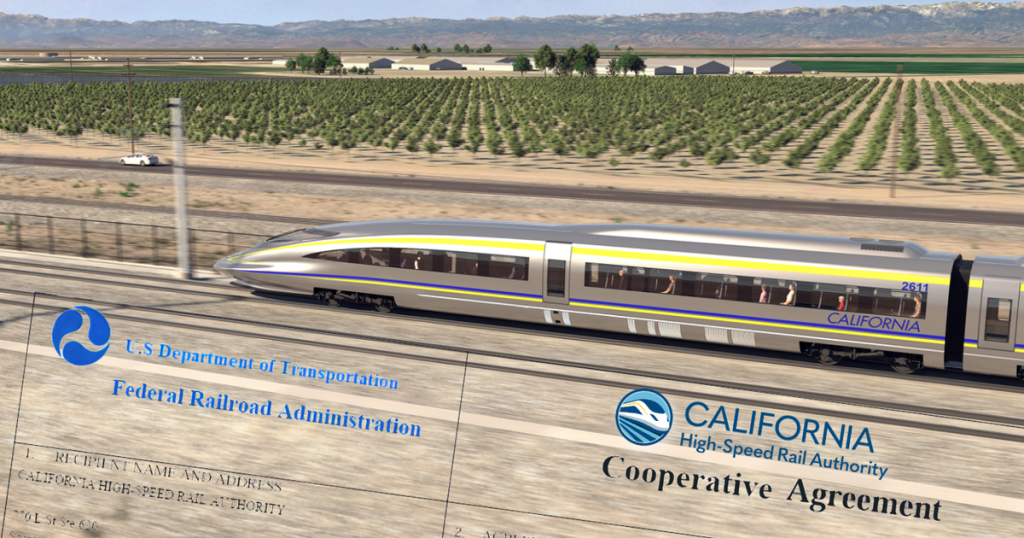
Newsom Blamed Trump for High-Speed Rail Funding Cut
Bizeconanalysis.com – Newsom blamed Trump for high-speed rail’s $4 billion funding loss, but records reveal California never purchased the trains it promised. The state quietly dismissed its lawsuit against the federal government just two days before Christmas, without issuing any press release or providing taxpayers with an explanation. Originally filed by State Attorney General Rob Bonta, the legal action was buried among federal grant documents and court filings posted on the High-Speed Rail Authority’s website.
The timing proved significant. Multiple sources familiar with both the procurement process and the litigation revealed that missing the updated deadline weakened California’s legal position. The state had already failed to meet the original deadline in its federal funding agreement, and now it had also missed the revised deadline it had committed to in court. By failing to meet the deadline it set for itself in court, California effectively validated the federal government’s argument that the project was not progressing as planned.
Federal Funding Withdrawal Tied to Missed Milestones
In July 2025, the Trump administration withdrew $4 billion in federal funding for California’s high-speed rail initiative. Transportation Secretary Sean Duffy stated that “federal dollars are not a blank check — they come with a promise to deliver results.” Federal officials cited the state’s failure to lay any tracks despite spending $15 billion over 16 years as a primary reason for the funding cut.
Purchasing trains represented a crucial milestone for the project. Federal officials determined there was “no viable path” to completing the segment on schedule. While California had pledged to connect “major metropolitan cities,” the authority could now only deliver a substantially reduced system that “may connect two random endpoints.”
However, a CBS California investigation uncovered that the California High-Speed Rail Authority itself repeatedly failed to meet its own deadlines for purchasing trains. This procurement failure was a key requirement in the federal grant agreement. The authority then quietly dropped its lawsuit weeks after missing the new deadline it had promised a federal judge it would meet.
Timeline of Delays and Legal Actions
Grant documents signed during the Biden administration required the rail authority to execute a trainset contract by December 31, 2024. California missed that deadline. Months later, when the Trump administration moved to terminate funding, federal officials pointed directly to the missed deadline as evidence that High-Speed Rail was failing to meet critical milestones and could not be relied upon to deliver the project on schedule.
High-Speed Rail did not dispute that it missed the deadline. It did not provide an explanation for the delays to CBS California Investigates. Instead, the authority pointed to public records, none of which acknowledge the delay.
In sworn court filings, High-Speed Rail assured a federal judge that it would execute a train contract by December 1, 2025 — and that doing so would keep the project on schedule. But High-Speed Rail missed that deadline too, canceling the board meeting where the train contract was expected to be approved.
Project Background and Current Status
Approved by voters in 2008, the high-speed rail project was originally designed to link San Francisco and Los Angeles in under three hours with electric trains capable of reaching 220 mph. There’s no direct line between the two major cities, and the ride now takes 10.5 to 12 hours. The current plan is limited to the middle section of the route — a flat 171-mile stretch between Merced and Bakersfield in the Central Valley, selected because construction was expected to be easier, with no need to drill any tunnels.
It’s estimated that high-speed rail would cut that three-hour train ride in half. Service was projected to begin by 2033.
Gov. Gavin Newsom called the federal withdrawal of funding a “political stunt to punish California,” and state Attorney General Rob Bonta promptly sued “to stop Trump’s politically motivated attack on high-speed rail.” Yet, less than six months later, California dropped the lawsuit. The rail authority offered no explanation, but said it hoped to work with the federal government some time in the future after deciding this administration “was not a reliable partner.”
Newsom, Bonta and the authority have never publicly explained why the train procurement deadlines were missed.
“It was appropriate for us to pull the lawsuit,” Bonta stated in January 2026, though he did not elaborate on the connection to the missed deadlines.
Frequently Asked Questions
Why did California dismiss its high-speed rail lawsuit? California quietly dismissed its lawsuit against the federal government just two days before Christmas without providing an explanation. The timing coincided with missing a revised deadline for purchasing trains that the state had promised a federal judge it would meet.
How much funding did the Trump administration cut from California’s high-speed rail project? In July 2025, the Trump administration withdrew $4 billion in federal funding for California’s high-speed rail initiative, citing the state’s failure to lay tracks despite spending $15 billion over 16 years.
What was the original deadline for purchasing trains? Grant documents signed during the Biden administration required the rail authority to execute a trainset contract by December 31, 2024. California missed that deadline and later promised a revised deadline of December 1, 2025, which it also failed to meet.
What section of the high-speed rail will be completed first? The current plan is limited to the middle section of the route — a flat 171-mile stretch between Merced and Bakersfield in the Central Valley, selected because construction was expected to be easier, with no need to drill any tunnels.
When is high-speed rail service expected to begin? Service was projected to begin by 2033, though the timeline has faced numerous delays due to missed procurement deadlines and funding challenges.