
The biggest weather risk for homeowners? It’s no longer hurricanes.
The Biggest Weather Risk for Homeowners Has Changed
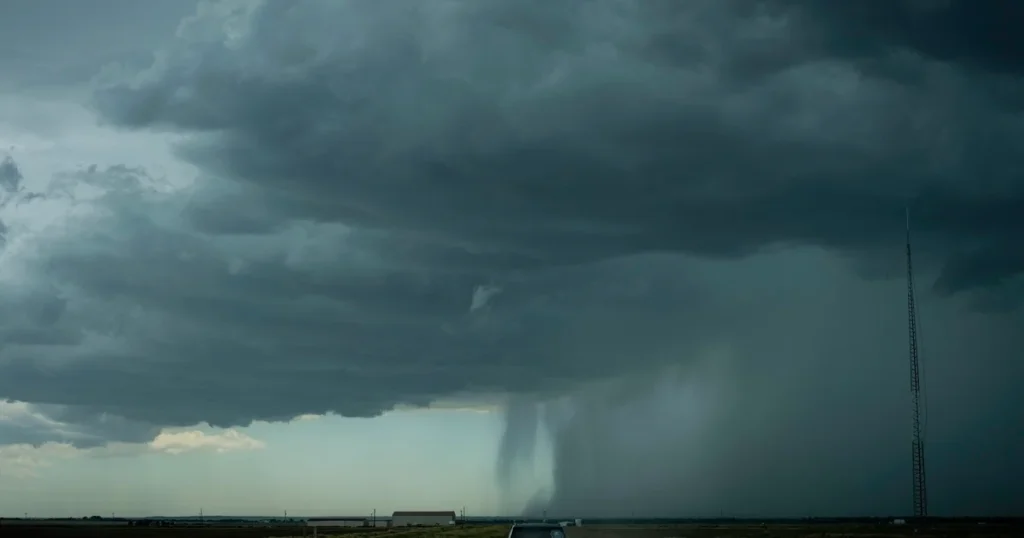
Bizeconanalysis.com – Climate change is reshaping the landscape of property damage, and new research reveals that the biggest weather risk for homeowners is no longer hurricanes. According to a comprehensive study by climate risk modeling firm First Street, tornadoes, hail, and powerful winds now surpass floods and cyclones as the primary threat to residential properties. In 2025, insurance payouts from severe convective storms exceeded those from hurricanes, establishing them as the world’s costliest insured natural disasters.
Record-Breaking Storm Losses
The financial impact of these weather events has grown substantially over the past quarter century. Global insurance payouts triggered by intense convective storms have reached $794 billion, outpacing combined losses from flooding, earthquakes, and drought. First Street’s analysis, which incorporated data from risk management consulting firm Aon, shows that severe convective storms accounted for one-third of all global natural disaster economic losses in 2025 alone.
Of the $82 billion in total insured and uninsured losses from these storms, $68 billion were concentrated within the United States. The country’s high concentration of valuable residential, commercial, and industrial properties makes it particularly vulnerable to financial damage from damaging wind, hail, and tornado outbreaks.
What Homeowners Need to Know
Most Americans with mortgages already have coverage for these events through standard homeowners’ insurance policies. However, as climate change drives more frequent severe convective storms, policyholders should expect rising premiums. Insurance costs are climbing faster in certain regions, particularly the Midwest and northern Texas, where storms are becoming increasingly widespread.
Illinois and Ohio emerge as especially vulnerable states due to their large urban centers and valuable real estate, according to First Street. Chief economist Jeremy Porter described these two states as sitting along what he calls a “severe convective storm belt.” North Carolina and Georgia also face significant risk given the dense real estate markets in Atlanta and Charlotte.
“We haven’t seen private insurance companies pull out of those markets yet,” Porter told CBS News. “We have seen them raise rates relatively rapidly.”
Understanding Severe Convective Storms
Convection refers to the upward movement of heat and moisture in Earth’s atmosphere, creating thunderstorms and clouds. First Street characterizes severe convective storms as short-duration but high-impact weather events that pass through regions quickly while leaving serious destruction behind.
Unlike hurricanes or earthquakes that concentrate losses in fewer catastrophic events, these storms generate recurring damage through frequent hail, wind, and tornado outbreaks. Hail represents the largest driver of insurance payouts, followed by severe winds. When major hailstorms strike, they damage homes, vehicles, and infrastructure simultaneously.
If current patterns persist, First Street projects that severe convective storms will become the world’s third-costliest natural disaster over the next decade in terms of lost economic growth. These losses typically stem from mass transit closures, reduced retail activity, and lower commercial productivity.
“We’re expecting to continue to see growth in frequency, exposure and damages from these types of events,” Porter said, emphasizing that the biggest weather risk for homeowners continues to evolve as the climate changes.
Frequently Asked Questions
What are severe convective storms? Severe convective storms are short-duration, high-impact weather events that include tornadoes, hail, and powerful winds caused by the upward movement of heat and moisture in the atmosphere.
How much do these storms cost globally? Over the past 25 years, global insurance payouts from severe convective storms have totaled $794 billion, surpassing combined losses from flooding, earthquakes, and drought.
Which states are most at risk? Illinois, Ohio, North Carolina, and Georgia are among the most vulnerable states due to their urban areas and valuable real estate concentrations.
Are these storms covered by homeowners insurance? Yes, severe convective storms are generally covered by standard homeowners’ insurance policies, though premiums are rising in affected regions.