
Dozens of Marineland’s beluga whales coming to U.S. through international emergency rescue plan
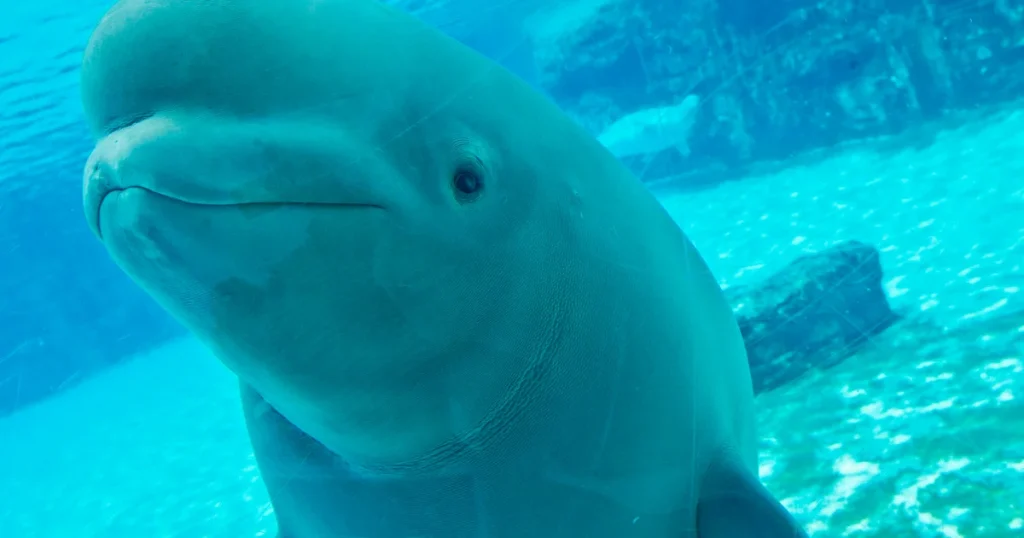
Emergency Rescue Plan for Marineland’s Beluga Whales
Dozens of Marineland s beluga whales are embarking on a significant journey as twenty-eight belugas prepare for relocation from a shuttered Canadian theme park to accredited aquariums throughout the United States. Federal officials approved an emergency import earlier this month, establishing an international rescue effort that will ensure these marine mammals receive proper care. Marineland, which closed its doors to the public in 2024, has maintained possession of the whales despite acknowledging insufficient resources to continue their care. Approximately one year after closing, park officials announced that euthanasia would become necessary if a comprehensive relocation plan or additional funding remained unsecured.
The National Oceanic and Atmospheric Administration issued the relocation order in July, emphasizing that the belugas require medical treatment and specialized care unavailable elsewhere. According to NOAA officials, “there are no other facilities in Canada that are able to provide the whales husbandry or medical care.” This critical assessment prompted the emergency import authorization, allowing the whales to transition to facilities better equipped to meet their needs. The rescue operation will span several weeks, with organizers prioritizing the comfort and safety of each animal throughout the transport process.
Receiving Facilities Across North America
The beluga whales will travel from Marineland in Niagara Falls, Ontario, to multiple accredited aquariums according to a joint statement released earlier this month. SeaWorld San Antonio and SeaWorld San Diego will receive several whales, while the Georgia Aquarium in Atlanta and the Shedd Aquarium in Chicago will also host relocated animals. These institutions have committed to providing comprehensive care, including veterinary services and appropriate living environments that match the whales’ natural habitat requirements.
International considerations extend beyond U.S. borders, as two additional whales will relocate to Oceanografic Valencia, an aquarium in Spain. This arrangement depends on receiving necessary permits from the Spanish government, demonstrating the global scope of this rescue initiative. Each receiving facility has prepared specialized accommodations to ensure the belugas can thrive in their new environments while maintaining social bonds where possible.
Background and Future Timeline
Marineland has faced considerable public scrutiny regarding its treatment of marine animals throughout recent years. The Canadian Press news agency reported that twenty whales have died at the facility since 2019, raising concerns about animal welfare standards. In 2019, Canada enacted legislation to end the captivity of whales and dolphins, establishing new regulatory frameworks for marine mammal facilities. This legislative background provides additional context for the current relocation efforts and future policy developments.
Canada’s Fisheries Minister Joanne Thompson approved a conditional proposal to move the whales to the United States in January, setting the foundation for the emergency import. Final export authorization from the Canadian government will be issued once veterinarians complete health examinations on each animal, according to Thompson’s statement dated July 8. This verification process ensures that all whales meet health standards before beginning their journey to new homes across North America.
The successful relocation of dozens of Marineland s beluga whales represents a significant achievement in international animal rescue cooperation. As each whale arrives at its designated facility, the rescue effort demonstrates how collaborative approaches can address complex animal welfare challenges. The ongoing monitoring and care provided by receiving aquariums will determine the long-term success of this emergency relocation program for these magnificent marine mammals.