
Cyclospora cases have been reported in several states. What to know about the diarrhea-causing parasite.
Cyclospora Cases Have Been Reported Across Multiple States in Major Outbreak
Cyclospora cases have been reported in several states as health officials track one of the largest parasitic outbreaks in recent memory. Close to one thousand individuals within Michigan alone have received a diagnosis for this parasitic illness, which is capable of triggering prolonged episodes of watery diarrhea, stomach cramps, and fatigue. This surge represents the most significant outbreak of its kind in the state’s history and ranks among the largest nationally over the past several years. Health authorities have confirmed that no fatalities have occurred as a result of the infection, though the specific origin of the cyclospora remains unidentified at this time.
Simultaneously, health officials across the nation are examining comparable illnesses. Investigations are currently underway in twenty-eight additional states beyond Michigan. Notably, residents in Ohio, located just across the border from Michigan, are also falling ill. According to data released by the U.S. Centers for Disease Control and Prevention, seventeen states have verified cases spanning from the beginning of May through June 16. These locations include Illinois, Maryland, Massachusetts, New York, and Texas, demonstrating the widespread nature of this outbreak.
Timeline and Scope of the Outbreak
Michigan health administrators initially revealed the crisis last week, noting over 170 confirmed instances—all concentrated in the southeastern portion of the state—since June 22. Typically, the state records approximately fifty cases annually, making this current surge particularly alarming. By Wednesday, the total count had climbed to 992, with roughly forty patients requiring hospitalization. In neighboring Lucas County, Ohio, officials documented 306 cases by the same day, while the broader northwest region of Ohio has experienced more than four hundred infections.
The timeline of this outbreak suggests that contaminated food products may have been distributed across multiple states simultaneously. Health experts are examining supply chains and distribution networks to identify potential sources. The fact that cases have appeared in states as geographically distant as Texas and Massachusetts indicates that the contaminated product likely traveled through national distribution channels rather than remaining localized to a single region.
Dr. Natasha Bagdasarian, Michigan’s chief medical executive, addressed the media on Wednesday regarding the situation. She emphasized the connection between the cases, stating,
“there is clearly a linked outbreak happening right now.”
Her comments underscore the importance of coordinated response efforts between state and federal agencies to contain the spread and identify the source.
Understanding Cyclospora and Prevention Measures
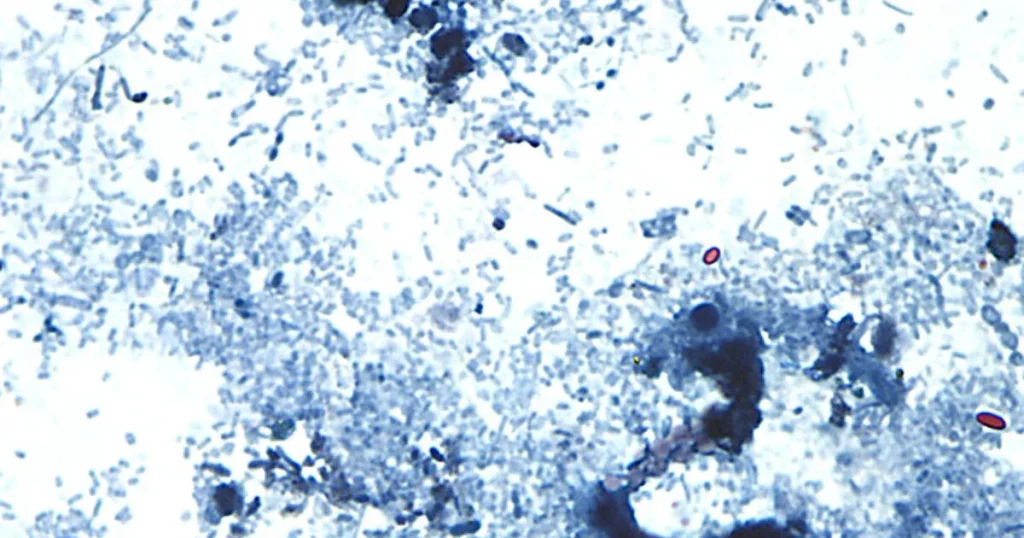
Cyclospora is described by the CDC as a microscopic, spherical organism that frequently results in liquid stools accompanied by nausea, vomiting, and loss of appetite. Symptoms typically begin one week after exposure but can range from one day to two weeks. The illness can last anywhere from a few days to several weeks, and without proper treatment, symptoms may recur. The parasite is transmitted through contaminated food and water, making it essential for consumers to be vigilant about potential sources.
The Food and Drug Administration provided a statement to CBS News regarding its reaction to the developing scenario. The agency noted that its inquiry into the matter is
“ongoing.”
Furthermore, the FDA explained that it and the CDC are actively tracking case volumes and clustering patterns.
“Additionally, the FDA is aware of the ongoing investigation of Cyclospora illnesses in Michigan and is engaged with state partners to assist in an outbreak response,”
the agency declared. They added that their scientists collaborate closely with international regulators and industry groups to ensure adherence to food safety standards.
Health officials recommend that individuals who have consumed potentially contaminated products monitor themselves for symptoms. Those experiencing diarrhea, stomach cramps, or other related symptoms should contact their healthcare provider. Proper hydration is essential, and in severe cases, medical treatment with antibiotics may be necessary. The CDC advises that while the outbreak continues, consumers should remain cautious about fresh produce and be prepared to provide detailed information about their recent food consumption if they become ill.