
Heat and severe storms damper July 4th celebrations, leave hundreds of thousands without power
Heat and Severe Storms Dampen July 4th Celebrations; Power Outages Rise
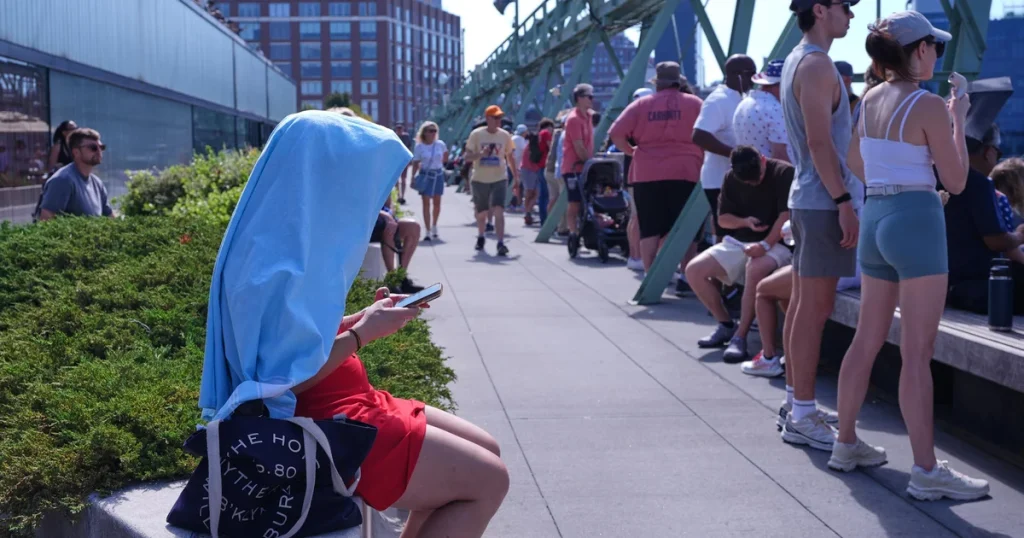
Heat and severe storms damper July 4th – The Fourth of July celebrations across the U.S. faced significant disruptions as extreme heat and violent storms combined to create challenging conditions. With temperatures reaching dangerous levels and thunderstorms causing widespread power failures, the nation’s 250th birthday was marked by cancellations, delays, and safety concerns. Millions in the Northeast braved record heat, while the Midwest grappled with severe weather that impacted travel and left thousands without electricity.
Extreme Weather Spreads Across Multiple Regions
As July 4th approached, the impact of heat and severe storms became increasingly evident. In Central Park, New York, temperatures hit 98 degrees Fahrenheit on Friday, according to CBS New York. Meanwhile, thunderstorms in the New York area caused outages that affected hundreds of thousands of utility customers. These storms were exacerbated by the intense heat, with wind gusts surpassing 70 mph reported in regions like Perth Amboy, New Jersey.
“The heat and severe storms are creating a perfect storm of challenges,” remarked a D.C. weather official. “Residents are advised to stay indoors, keep hydrated, and follow emergency protocols to ensure safety during the festivities.”
Disruptions in Washington, D.C. and Beyond
Washington, D.C., experienced its own set of difficulties as heat and severe storms forced changes to planned events. The National Mall saw thousands evacuated due to thunderstorms, disrupting the Freedom 250 celebrations. Despite the chaos, organizers aimed to keep events running, though the Independence Day Parade was canceled to prioritize public safety. In other cities, similar disruptions occurred, with parades and concerts delayed or rescheduled.
Philadelphia’s Salute to Independence Parade was scrapped, and the One Philly Unity Concert faced uncertainty as severe weather loomed. In Annapolis, Maryland, the U.S. Naval Academy canceled its parade and music performances, citing the risk of thunderstorms and high temperatures. These decisions underscored the growing influence of weather on holiday traditions.
Power Outages: A Widespread Challenge
The effects of heat and severe storms extended beyond events, with nearly one million residents losing power in several states. By Saturday, over 750,000 utility customers in Wisconsin, Michigan, Illinois, Pennsylvania, Ohio, New York, and New Jersey were without electricity. Atlantic City, New Jersey, recorded its highest July temperature at 105 degrees, while Washington, D.C., set a record for its warmest low temperature, highlighting the extreme conditions faced nationwide.
Restoration efforts were underway, with crews from 12 states and Canada deployed to Michigan to address the outages. However, the scale of damage and the frequency of storms indicated that the disruptions would have lasting effects on infrastructure and daily life, even as the weather eventually eased.
Community Resilience in the Face of Disruptions
Amid the chaos, organizers demonstrated adaptability, shifting events to safer locations and adjusting schedules to accommodate the weather. The Freedom 250 celebrations, for instance, continued later Saturday night after minor delays. While the heat and storms tested the resilience of cities, many communities focused on ensuring safety and minimizing the impact of these unexpected challenges.
For vulnerable populations, the combination of heat and storms posed particular risks. A 79-year-old woman at the Salute to America 250 Celebration & Fireworks event was reported to have suffered a heat-related incident, prompting emergency services to respond. Such events emphasized the need for proactive measures to protect citizens during extreme weather conditions.
Long-Term Implications for National Celebrations
The July 4th weather events highlighted the growing frequency of extreme weather conditions and their effect on traditional celebrations. As heat and severe storms continue to shape the nation’s climate, future holidays may require more flexible planning. The experience also underscored the importance of preparedness, as cities and event organizers worked to balance festive activities with safety protocols in response to the dual threats of high temperatures and violent storms.