
It could be hottest July 4th ever for millions of Americans, with over 300 record temperatures forecast
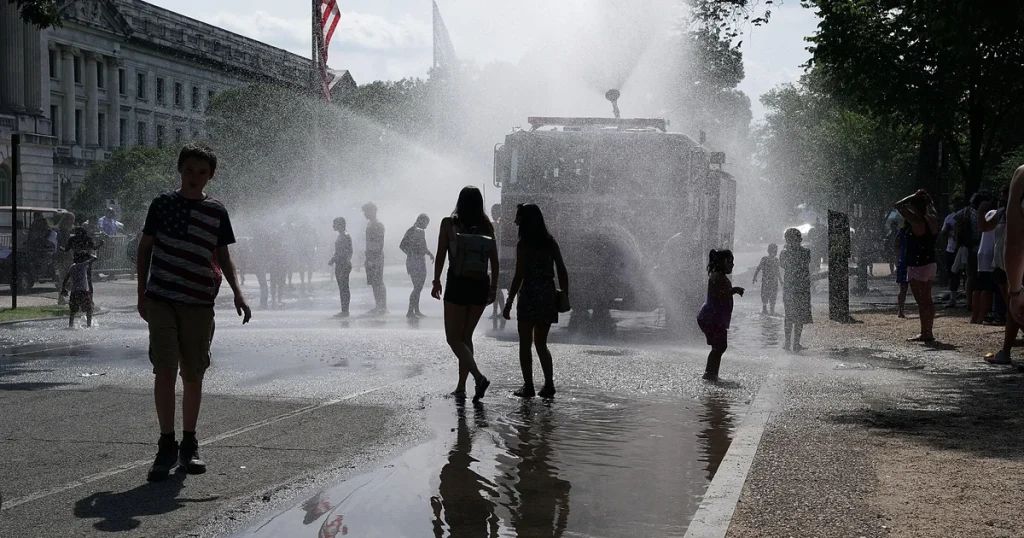
Millions of Americans Face the Hottest July 4th in History Amid Record-Breaking Heat
It could be hottest July 4th ever – Millions of Americans may experience the hottest July 4th ever recorded as a powerful heatwave sweeps across the country. Forecasters warn that over 300 temperature records could be shattered by Saturday, with dangerously high heat indices spanning from the Midwest to the East Coast. This extreme weather pattern, driven by a persistent heat dome, is expected to trap more than half the nation in stifling conditions, creating a scenario where heat waves reach their peak during the nation’s Independence Day celebration.
Heat Dome Dynamics and Health Impacts
A heat dome, formed by a high-pressure system that stifles air circulation, is intensifying the already scorching weather. The current forecast predicts heat indices ranging from 100 to 115 degrees Fahrenheit, with some areas seeing temperatures 20–30 degrees above average. Such extreme conditions threaten to overwhelm the body’s ability to cool itself, increasing risks of dehydration, heat exhaustion, and heat stroke. The situation is particularly dire for vulnerable populations, including the elderly, children, and individuals with chronic illnesses.
Health officials highlight the potential for heat-related emergencies as the heatwave persists. In the European heatwave of 2022, over 1,300 excess deaths were reported, illustrating how prolonged high temperatures can be life-threatening. The National Weather Service has activated extreme heat alerts, urging residents to stay hydrated, avoid strenuous activity, and seek shelter from the sun. In Washington, D.C., for instance, temperatures are projected to hit 103°F on Thursday and Friday, potentially making this July 4th the hottest in the city’s history.
Community Actions to Cope with the Crisis
As the heat intensifies, cities are taking urgent steps to protect residents. New York City, grappling with its most severe heat event in decades, has deployed mobile medical units to provide relief in high-risk areas. These vehicles will distribute water, check on vulnerable individuals, and assist in transporting people to cooling centers. The city’s efforts reflect a broader push to support those without access to air conditioning, especially during the nation’s 250th birthday festivities.
Washington, D.C., is also implementing measures to mitigate the heatwave’s impact. Mayor Muriel Bowser has advised citizens to adjust their plans, emphasizing the need to stay shaded and minimize outdoor exposure. Meanwhile, in Nashville, where temperatures could reach 101°F and feel like 114°F, heat patrols are providing cold water to homeless populations during peak hours. These localized responses underscore the widespread challenge of extreme heat and its disproportionate effects on different communities.
Weather experts note that the heatwave’s intensity is unmatched in recent decades. CBS News meteorologist Nikki Nolan explains that the combination of high daytime temperatures and warm overnight lows is keeping the heatwave in full force. This relentless pattern could trigger a surge in heat-related health emergencies, with symptoms like fatigue, dizziness, and nausea serving as early warning signs. The prolonged exposure to such conditions may also strain emergency services, necessitating preparedness across the country.
Historic Temperature Shifts and Future Concerns
Some of the temperature records under threat date back over a century, signaling a dramatic shift in climate patterns. The current heatwave is not only breaking existing benchmarks but also setting new standards for extreme weather. This phenomenon raises questions about the long-term implications of rising global temperatures, with scientists linking the trend to climate change. As cities prepare for the hottest July 4th in history, the event highlights the growing urgency of addressing climate-related challenges.
While the focus is on this year’s record-breaking temperatures, the broader context of climate change remains a critical factor. Dr. Catrina Cropano, medical director at New York City’s Mount Sinai West, warns that heat stroke requires immediate attention, with confusion and altered mental status being key indicators. “If you are experiencing any symptoms of heat stroke, you really need to make sure you come into the emergency department as quickly as possible,” she emphasized. The July 4th heatwave is a stark reminder of the need for ongoing adaptation to increasingly severe weather conditions.