
Suspect in Minnesota fraud case arrested in Somalia after 4 years on the run, officials say
Suspect in Minnesota fraud case arrested in Somalia after 4 years on the run, officials say
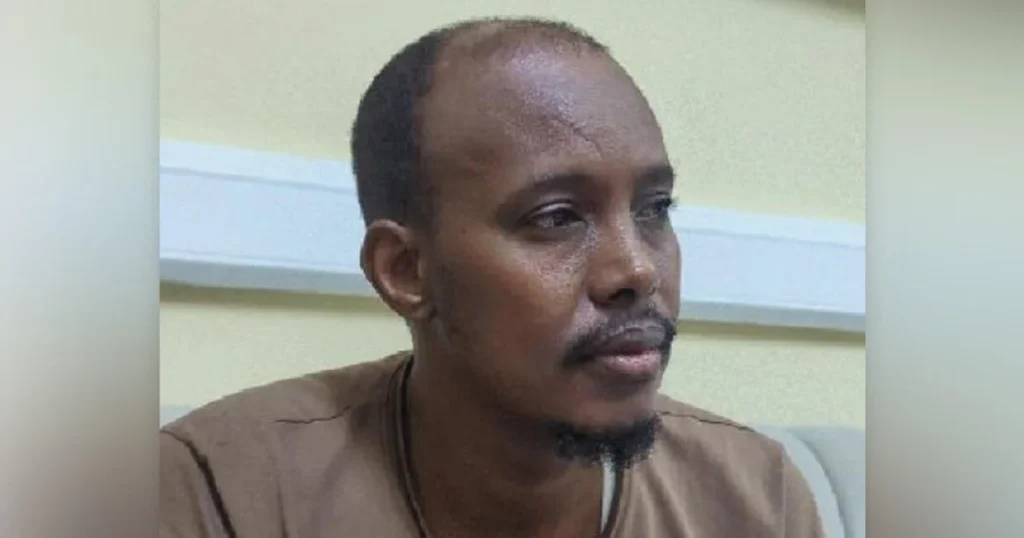
Suspect in Minnesota fraud case arrested – Four years after slipping away from U.S. authorities, a key figure in a massive pandemic-era fraud scheme has been apprehended in Somalia. Federal law enforcement confirmed that Abdikerm Eidleh, a 42-year-old man accused of orchestrating a widespread deception, was captured during a daylight operation in Mogadishu. The arrest, conducted with the cooperation of Somali intelligence, marks a significant development in the investigation of a scam that reportedly siphoned millions from public funds.
Global Pursuit of a Financial Scam
Eidleh’s capture highlights the extensive reach of American law enforcement beyond national borders. According to officials, he was a central player in the $250 million Feeding Our Future fraud case, which targeted state-funded programs during the height of the coronavirus crisis. The indictment against him dates back to September 2022, when he was formally charged as part of a broader crackdown on fraudulent activities. His arrest was facilitated through a joint operation involving the FBI and local Somali authorities, who worked to track him down after years of evasion.
“This is a big fish,” said Daniel Rosen, U.S. Attorney for Minnesota. “Eidleh was a key leader and was responsible for bribing and recruiting business to steal from the American taxpayer.”
Rosen emphasized that Eidleh’s role was critical to the operation’s success. While he was second in command to Aimee Bock, the convicted mastermind of the scheme, Eidleh is now being viewed as a major contributor to the financial damage. Bock, who was recently sentenced to over 40 years in prison, had led the effort to exploit pandemic relief programs, and Eidleh’s actions were instrumental in maintaining the network’s efficiency.
The indictment against Eidleh includes multiple charges, such as wire fraud, bribery of federal program participants, money laundering, and conspiracy. Prosecutors allege that he personally pocketed $5 million in bribes and kickbacks, funneling funds through a system designed to mislead state officials. Restaurants and catering businesses were instructed to exaggerate their expenses, creating inflated receipts that were submitted to the Minnesota Department of Education for reimbursement. This practice allowed the scheme to siphon millions from taxpayer dollars under the guise of supporting food assistance programs.
“Somalia is not the safe haven you may think it is,” stated Christopher Dotson, FBI Special Agent in Charge at FBI Minneapolis. “This shows the global reach and outstretched arm of American law enforcement.”
Dotson’s remarks underscore the persistence of federal agents in tracking down suspects who fled the country. The operation in Mogadishu was a culmination of years of investigation, surveillance, and international collaboration. Somali authorities, working closely with the FBI, were able to locate Eidleh, who had evaded capture for nearly five years. This success comes as the Feeding Our Future case continues to expand, with over 79 individuals, predominantly of Somali descent, now facing charges.
To date, 66 of those charged have either pleaded guilty or been convicted. The remaining defendants are still under investigation, with some facing charges in Minnesota for other fraudulent schemes targeting social service programs. These include childcare subsidies, housing assistance, and behavioral health initiatives, all of which were allegedly exploited through coordinated deceit. The scale of the fraud has raised concerns about the integrity of taxpayer-funded resources during the pandemic.
Rosen, reflecting on the broader implications of the case, noted that the total amount of fraud in Minnesota could exceed $1 billion. “The chapter for Feeding Our Future might be closing, but we’re still in the beginning of making sure we protect the American taxpayer,” he said. This statement comes as authorities work to dismantle the entire network responsible for the deception. The arrest of Eidleh is seen as a pivotal moment in this effort, bringing a key architect of the scheme back into the U.S. legal system.
A System Built on Deception
The Feeding Our Future fraud was not an isolated incident but part of a larger pattern of systemic abuse. Investigators suggest that Eidleh and his associates exploited the urgency of the pandemic to create a complex web of fraudulent activity. By bribing businesses to inflate receipts, they ensured that funds intended for food assistance were redirected into private pockets. The Minnesota Department of Education, which administered the program, became a central target of this scheme, with officials now under scrutiny for their oversight.
Eidleh’s arrest in Somalia has also raised questions about how such a large-scale fraud could persist for so long. While Bock was the primary figure, Eidleh’s role in managing operations and securing bribes was vital. His capture not only provides evidence of the scheme’s global connections but also demonstrates the effectiveness of international cooperation in combating financial crimes. The FBI’s involvement in the operation highlights the agency’s commitment to tracing illicit funds and apprehending suspects regardless of their location.
The case has sparked a renewed focus on the vulnerabilities of pandemic relief programs. With over $1 billion potentially lost, officials are now emphasizing the need for stricter oversight and accountability measures. Eidleh’s role as a collector of bribes and a coordinator of fraudulent submissions underscores the organized nature of the scheme. His arrest is expected to lead to further revelations about the inner workings of the network and the extent of the damage inflicted on public resources.
As the legal proceedings against Eidleh begin, the case will serve as a case study in the challenges of financial fraud during times of crisis. The Minnesota Department of Education and other state agencies will likely face additional scrutiny as investigators seek to understand how the scheme was structured and sustained. With the arrest of a major player, the path to justice for victims of the fraud appears to be moving forward, though the full impact of the deception will take time to fully assess.
The Feeding Our Future investigation exemplifies the growing importance of cross-border collaboration in modern law enforcement. By working with Somali intelligence, the FBI has not only brought Eidleh to justice but also sent a message that countries previously considered safe havens for fugitives are now part of the global pursuit. This development could set a precedent for future cases, encouraging international partnerships to tackle financial crimes that span continents.
In the wake of Eidleh’s arrest, the focus will shift to the remaining defendants and the ongoing efforts to recover stolen funds. The Minnesota case remains a key example of how pandemic relief measures can be exploited, and the capture of Eidleh may lead to a deeper understanding of the systemic failures that allowed the fraud to thrive. As the legal battle continues, the fight to protect taxpayer dollars from future abuses will remain a central priority for federal authorities.