
Is Europe embracing air conditioning as deadly heat waves become more common?
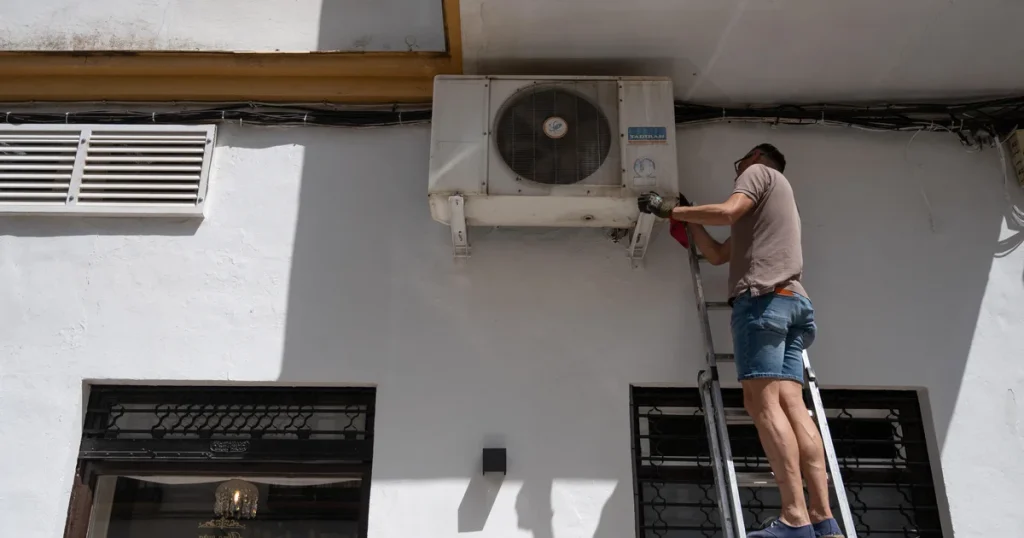
Europe Embraces Air Conditioning Amid Rising Heatwaves
Is Europe embracing air conditioning as deadly – As relentless heatwaves reshape the climate landscape, Europe is increasingly adopting air conditioning to combat extreme temperatures. Once viewed as an unnecessary luxury, air conditioning is now becoming a vital necessity for survival, especially in regions where scorching summers are pushing the limits of traditional cooling methods. The growing reliance on air conditioning reflects a shift in priorities, driven by record-breaking heat events that have claimed lives and strained energy systems across the continent.
Heat-Related Mortality: A Stark Reminder
Heatwaves have emerged as a significant public health crisis, with the World Health Organization estimating that they claim over 175,000 lives annually in Europe. The 2003 heatwave, which devastated Italy and other countries, marked a turning point, revealing the region’s vulnerability to soaring temperatures. Now, with Europe warming at twice the global average, the need for effective cooling solutions has never been more urgent. The International Institute of Refrigeration forecasts that air conditioner installations will double by 2050, signaling a major transformation in European living habits.
From Resistance to Acceptance
Historically, Europe’s architecture and cultural norms favored passive cooling strategies, such as thick walls and small windows, to endure hot summers. However, the severity of recent heatwaves has forced a reassessment. Countries like Spain, where temperatures have hit 111°F, and France, where heat-related drownings have surged, illustrate the growing demand for air conditioning. While adoption remains slower than in the U.S., where 90% of households have AC, the trend is unmistakable: Europe is now embracing air conditioning as a lifeline.
Climate concerns initially tempered AC adoption, but the immediacy of survival needs has taken precedence. A 2022 study showing that air conditioning contributes 4% of global greenhouse gases sparked debates, yet the impact of deadly heatwaves has made many reconsider. In cities like Paris, where AC units have sold out, the public is prioritizing comfort and safety over environmental hesitations. This shift underscores how climate change is reshaping European attitudes toward technology and sustainability.
Energy Costs and Policy Shifts
High energy prices have long been a barrier to widespread AC use. Europe’s dependence on imported natural gas has driven electricity costs higher than in the U.S., making cooling systems less accessible for many households. Still, the frequency of extreme heat is outpacing these economic concerns. In France, for example, shops have reported a surge in AC sales, reflecting both the growing necessity and a change in consumer behavior. Policymakers are now recognizing this trend, with some governments actively promoting air conditioning in schools and care facilities to protect vulnerable populations.
While the environmental cost of air conditioning remains a topic of discussion, its lifesaving potential is undeniable. A 2007 study found that AC can reduce heat-related deaths by 75%, and the Lancet estimated 195,000 elderly deaths were prevented in 2019 through its use. These figures have prompted a reevaluation of the technology’s role in climate adaptation. As the U.K. sees four million households adopt air conditioning—doubling since the pandemic—Europe is increasingly aligning its infrastructure with the realities of a hotter world.
Adapting to a New Climate Reality
The pandemic accelerated Europe’s embrace of air conditioning, as lockdowns and indoor activities highlighted the need for climate control. A 2022 report noted a 25-30% annual increase in residential installations, with demand surging as heatwaves became more frequent. For many, the decision is no longer about luxury but necessity. As one resident described, “During the day, it’s better for me to be in my car than at home,” illustrating the desperation that drives adoption. This shift suggests that Europe’s response to climate change is evolving, with air conditioning becoming a symbol of resilience in the face of escalating heat.
“You just veg on the sofa and try to survive,” said Katie, a London resident, who once saw AC as a frivolous expense. But as a parent, her perspective changed. “Anyone who has spent a hellish hour sweatily rocking a baby knows that comfort is non-negot