
Why Nvidia Remains a Leader in Graphics Technology in 2026
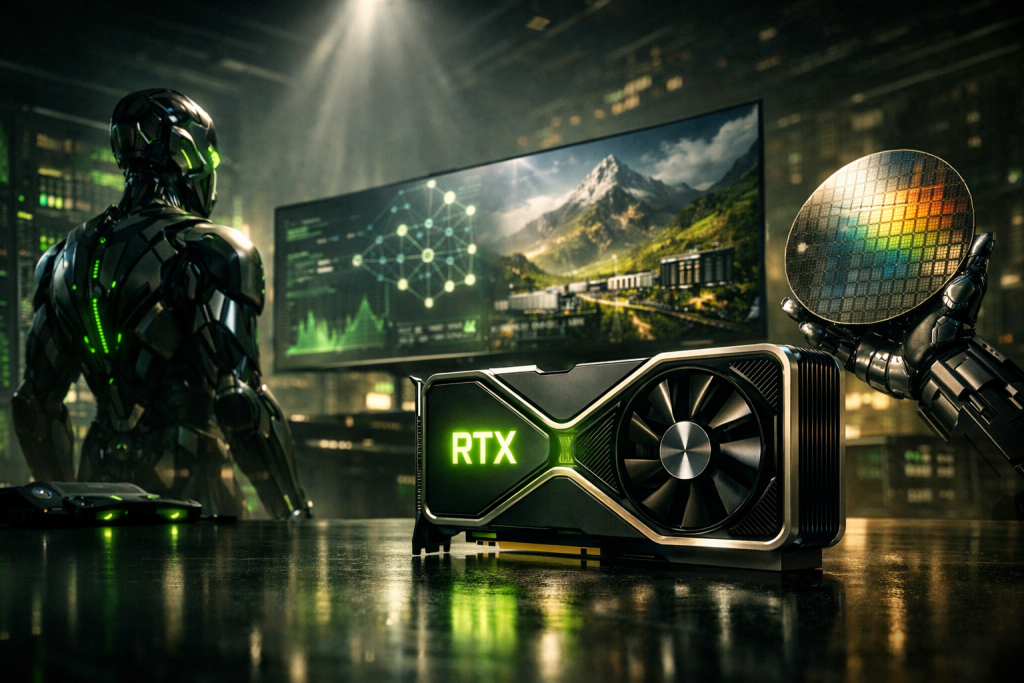
In 2026, Nvidia continues to lead the graphics technology industry, holding a dominant position in the markets of gaming, AI, data centers, and beyond. This achievement is rooted in a combination of innovative hardware, cutting-edge software, and forward-thinking strategies that have allowed Nvidia to stay ahead of competitors like AMD and Intel. By leveraging a mix of technological breakthroughs and understanding future needs, Nvidia has solidified its role as a pioneer in the graphics and computing industries.
Pioneering Innovations in Graphics Hardware
Nvidia’s most notable strength lies in its graphics processing units (GPUs), which have become the cornerstone of not only gaming but also professional visualization, AI development, and scientific computing. Their flagship architecture, Ada Lovelace, introduced revolutionary improvements in performance and efficiency, with an emphasis on ray tracing and AI-powered rendering.
The RTX 40-series GPUs, which have been at the forefront of Nvidia’s offerings, push the boundaries of real-time graphics, bringing lifelike lighting and textures to gaming and virtual experiences. Nvidia’s Tensor Cores, designed for AI processing, have also been pivotal in the company’s dominance in AI-driven tasks, offering superior performance for deep learning applications.
AI Integration and Software Ecosystem
The integration of artificial intelligence (AI) into Nvidia’s graphics cards and software has positioned it as a leader in the AI race. Nvidia’s CUDA platform, a parallel computing architecture, continues to be the go-to for developers, researchers, and companies looking to harness the full power of GPUs for AI workloads. The rise of deep learning and neural networks has significantly boosted the demand for GPUs, and Nvidia has capitalized on this by optimizing their hardware for AI applications.
Nvidia’s DLSS (Deep Learning Super Sampling) technology has also transformed the gaming experience. By leveraging AI to upscale lower-resolution images in real-time, DLSS allows for smoother performance without compromising visual fidelity. This innovation has made a significant impact on the gaming community, helping to deliver higher-quality visuals even on lower-spec hardware.
Market Expansion: From Gaming to Data Centers
While Nvidia initially gained popularity for its gaming GPUs, its strategic pivot into the data center and cloud computing markets has expanded its dominance. Nvidia’s A100 and H100 Tensor Core GPUs, designed for data centers, have revolutionized the landscape of high-performance computing. These GPUs are used for a range of applications, from running large-scale AI models to processing complex simulations in various industries like finance, healthcare, and automotive.
The company’s acquisition of Arm Holdings (pending completion as of 2026) is expected to further strengthen its position in the edge computing and mobile markets, opening new avenues for innovation in AI and gaming. By moving beyond traditional GPU markets and integrating their technology across multiple sectors, Nvidia has positioned itself as a central player in the future of computing.
Collaboration with Industry Giants
Nvidia’s partnerships with industry giants like Microsoft, Google, and Amazon have also played a crucial role in maintaining its leadership in graphics and computing. These collaborations have enabled Nvidia’s technology to be integrated into cloud infrastructures, ensuring its GPUs are powering the next wave of cloud-based services.
The company’s partnership with Epic Games has also helped drive the advancement of Unreal Engine and other real-time rendering technologies. Nvidia’s role in supporting ray tracing, AI integration, and real-time simulations within gaming engines has further solidified its position in both the gaming and entertainment industries.
Nvidia’s Commitment to Sustainability
In recent years, Nvidia has also placed significant focus on sustainability and environmental impact. Through innovations in energy-efficient architecture and partnerships with green initiatives, Nvidia has made strides toward reducing the environmental footprint of its products. The Green Computing initiative, aimed at lowering the power consumption of GPUs, ensures that Nvidia remains at the forefront of environmentally conscious technology development.
By investing in technologies that improve both the performance and sustainability of its products, Nvidia demonstrates that leadership in graphics technology isn’t just about performance, but also about adapting to the global demand for eco-friendly solutions.
The Future of Nvidia: Continuous Innovation
Looking ahead, Nvidia’s relentless focus on innovation ensures its continued leadership in graphics technology. With the rapid evolution of AI, virtual reality (VR), and augmented reality (AR), Nvidia is strategically positioning itself to be the backbone of these emerging industries. The next generation of Nvidia’s GPUs is expected to push the boundaries even further, introducing advancements like quantum computing and enhanced AI-driven capabilities.
Nvidia’s ability to adapt to new trends, alongside its consistent commitment to high performance, is what guarantees its dominance. Whether in gaming, data centers, or AI development, Nvidia’s role in driving the future of graphics and computing technology is secure.
Conclusion
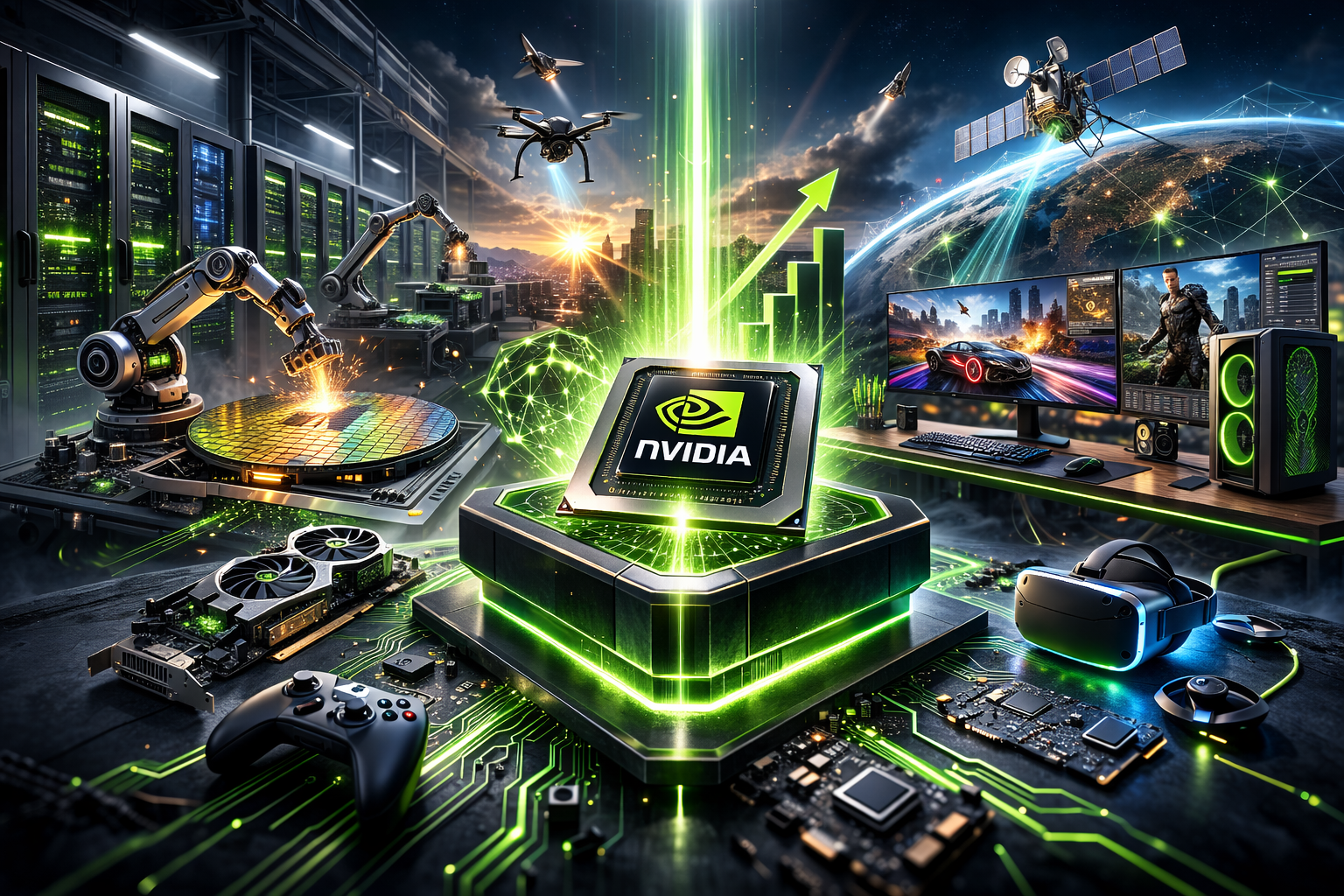
Nvidia’s leadership in graphics technology is a result of its combination of cutting-edge hardware, AI-driven innovations, and strategic market expansion. By continuing to push the boundaries of what is possible, Nvidia has positioned itself as the go-to choice for developers, gamers, and enterprises alike. Its focus on high performance, sustainability, and collaboration ensures that it will remain at the forefront of graphics technology in the years to come.
FAQ
Q: Why is Nvidia still the leader in graphics technology?
A: Nvidia remains the leader in graphics technology due to its innovative GPUs, AI-powered software like DLSS, and strategic expansion into data centers and cloud computing.
Q: What is Nvidia’s role in AI development?
A: Nvidia plays a key role in AI development by providing GPUs optimized for deep learning, and its CUDA platform is widely used by developers to accelerate AI workloads.
Q: How does Nvidia’s DLSS technology improve gaming?
A: DLSS uses AI to upscale lower-resolution images in real-time, improving gaming performance and visual quality, allowing for smoother gameplay even on lower-end hardware.
Q: What markets does Nvidia serve beyond gaming?
A: Beyond gaming, Nvidia serves the data center, AI, cloud computing, and automotive markets, providing GPUs for high-performance computing and deep learning applications.
Q: What are Nvidia’s sustainability efforts?
A: Nvidia is focused on reducing the environmental impact of its products through energy-efficient architecture and green computing initiatives.
