
Stopping weight loss jabs can lead to rapid weight regain in one year, study suggests
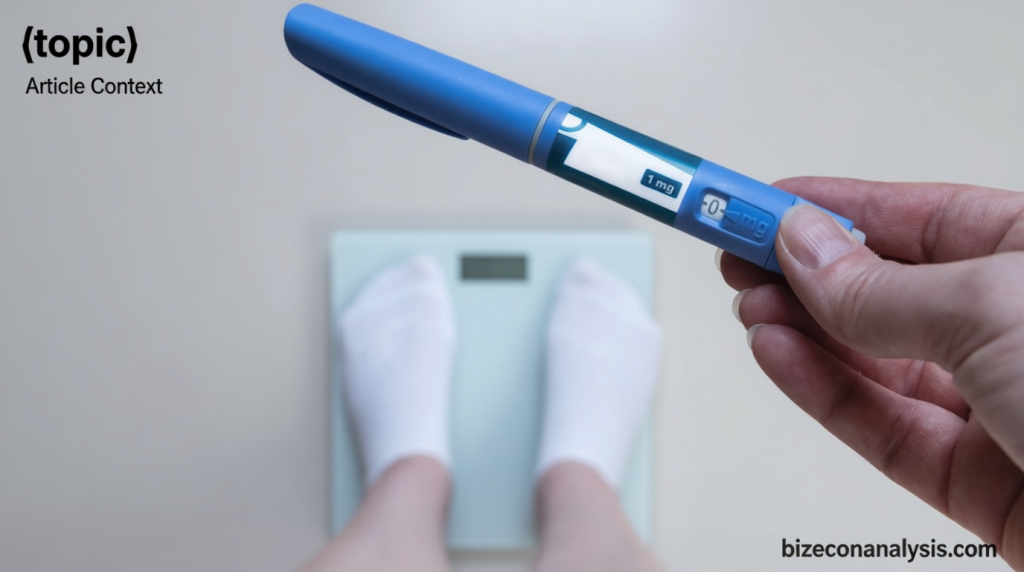
Weight Loss Jabs May Lead to Rapid Weight Regain After Discontinuation
A recent study indicates that individuals using obesity-targeted injections may experience significant weight recovery within a year of discontinuing treatment. Researchers from the University of Cambridge noted that, on average, patients regained 60% of the weight they had previously lost after ceasing the medication for 52 weeks.
These drugs, part of the GLP-1 receptor agonist class, function by replicating the effects of the hormone GLP-1 to manage blood sugar and insulin. Initially designed for type 2 diabetes, certain variants like semaglutide (Wegovy) and tirzepatide (Mounjaro) are now approved by the NHS for obesity management.
Substance Use Prevention Linked to Weight Loss Jabs
A separate analysis of over 600,000 US veterans with type 2 diabetes revealed that GLP-1 receptor agonists may also help curb addiction risks. The findings, published in the British Medical Journal, showed a 14% decreased likelihood of developing substance use disorders in those without prior addiction histories. Similar benefits were observed for alcohol, cannabis, cocaine, nicotine, and opioids, with risk reductions ranging from 18% to 25%.
Among veterans already struggling with addiction, the drugs were associated with a 31% lower risk of emergency department visits, hospitalizations, and fatal outcomes tied to substance misuse. While the study focused on older men, comparable results were noted in women.
“Our projections show that even though people regain most of the weight they have lost, they still maintain some of the weight loss, but what we currently don’t know is if the same proportion of lean mass is recovered,” said Brajan Budini, a medical student at the University of Cambridge.
The Cambridge research, which combined data from six trials involving more than 3,200 participants, highlighted that weight regain tends to stabilize over time. By 60 weeks, the majority of the initial weight loss—approximately 75%—was recovered, leaving a potential 25% sustainable long-term.
Experts recommend further investigation into the composition of weight changes during and after treatment. They emphasize the need to determine whether the regained mass primarily consists of fat or includes lean tissue, as this could impact overall health outcomes.
Additional Insights from the Cambridge Study
The study, published in eClinicalMedicine, underscores the importance of understanding weight regain patterns. It suggests that “there is significant weight regain following cessation” of these medications, though the rate may slow as time progresses.
Researchers called for more trials to explore how these drugs influence body composition. They also noted that while weight loss jabs have shown promise, their long-term effects on metabolic health and addiction prevention require deeper analysis.
Related Stories
- GPs to be offered bonus for prescribing jabs
- Which weight loss jabs are available on the NHS?
- Weight loss jabs could be banned by next Olympics
