
DHS Revives Deportation Plane Initiative Amid Cost Concerns
DHS says its new deportation planes – The Department of Homeland Security (DHS) is set to deploy its newly acquired aircraft fleet for deportation missions, according to exclusive reports from CNN. The plan, which had been on hold for years, gained momentum under the leadership of former Secretary Kristi Noem. Now, with the current secretary, Markwayne Mullin, re-evaluating the program, officials claim the planes will soon be operational as part of a broader effort to streamline immigration enforcement. However, industry experts and current DHS personnel remain skeptical, questioning whether the initiative will effectively cut costs or serve its intended purpose.
Ambitious Plan Resurrected in 2026
During her tenure, Noem spearheaded a significant shift in how the agency approached deportations, advocating for a self-sufficient aviation network. This marked a departure from the previous reliance on charter airlines, which had been the standard for decades. The agency allocated tens of millions of dollars to acquire a fleet of 10 planes, aiming to establish a mini airline tailored to immigration enforcement. The goal was to reduce expenses by optimizing flight routes and eliminating the need for third-party contractors, though specifics on when these savings would materialize were never clear.
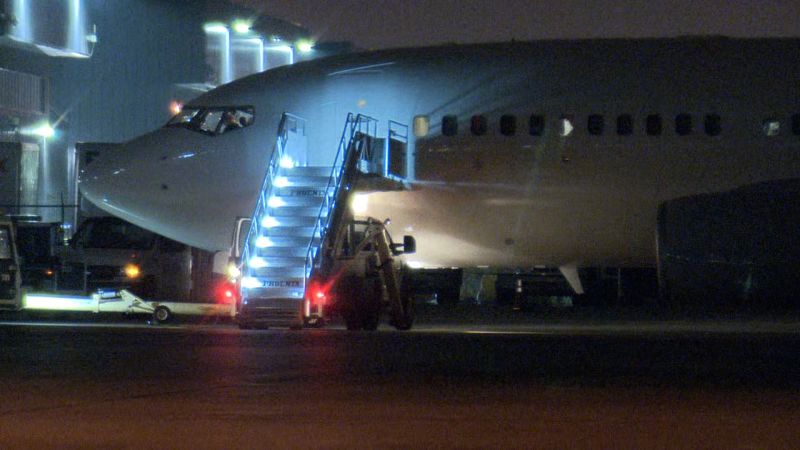
Recent records show the planes were purchased between January and March of this year, yet they have remained largely unused. A source familiar with the situation noted that the aircraft have been idle at a maintenance facility in Louisiana for months. While some were briefly deployed during the early stages of the Iran conflict for evacuation purposes, none have been integrated into the deportation mission. This inactivity has raised questions about the program’s readiness and the efficiency of its implementation.
Controversy Over Funding and Planning
Under Noem’s leadership, the plan was framed as a way to save taxpayers $280 million annually. The reasoning was that operating a dedicated fleet would allow for more direct control over flight paths and reduce overhead costs. However, critics argue that the agency may have overpaid for the planes, citing industry data that suggests the purchase price could exceed market value. William Walters, CEO of Daedalus Aviation, the company that sold the aircraft to DHS, stated the planes were acquired at cost plus overhead, including retrofits for immigration use. Despite this, the agency has not provided a detailed breakdown of these expenses.
The transition to a self-managed fleet also sparked concerns about operational preparedness. When Mullin took over as secretary in March, he initiated a comprehensive review of contracts signed under Noem. This scrutiny has led to questions about the thoroughness of the original planning. A former DHS official remarked that the agency’s decision to buy the planes before finalizing their operational strategy appears hasty, leaving uncertainty about the long-term feasibility of the project.
Industry Doubts About the Plan’s Success
Aviation experts, both current and former, have expressed skepticism about the program’s ability to deliver the promised savings. One insider noted that the agency purchased the planes while still seeking input on how to operate them, suggesting a lack of coordination. “They bought the aircraft before they figured out how to operate them and/or what the cost to operate them would be,” the source said. This discrepancy has fueled debates about whether the initiative is a sound financial move or a well-intentioned but flawed experiment.
The concept of launching a government-run airline has been met with mixed reactions. An industry veteran shared a familiar adage: “The fastest way to become a millionaire is to be a billionaire who tries to start an airline.” The quote, attributed to a CNN source, highlights the risks associated with such a venture. Managing a fleet requires not only initial costs but also ongoing maintenance, safety checks, and operational infrastructure—factors that could offset any initial savings.
DHS Stresses Operational Readiness
In response to the criticism, a DHS spokesperson emphasized the planes’ role in supporting immigration enforcement. “We anticipate we will be able to integrate these planes into our deportation efforts in the coming weeks,” the statement said, adding that the agency has been conducting maintenance and safety checks to ensure the aircraft are prepared for the mission. The spokesperson also clarified that decisions about the purchase were made before Mullin’s leadership, underscoring the continuity of the initiative despite the recent review.
The department’s approach to the new fleet involves collaborating with contractors to operate the planes, according to officials. This arrangement allows DHS to maintain oversight without bearing full operational responsibility. While the spokesperson defended the plan, the lack of a clear timeline for cost savings and the prolonged inactivity of the planes have left many wondering if the initiative will ever justify its investment.
Broader Implications for Immigration Enforcement
The revival of the deportation plane program comes at a critical juncture for the agency’s efforts to expand immigration enforcement. With the goal of deporting 1 million undocumented immigrants annually, the department seeks to leverage the planes as a key tool. However, the success of this endeavor depends on the ability to streamline logistics and reduce costs—a challenge that remains unproven.
Some within the aviation industry believe the program is a bold attempt to create a more efficient system, but others see it as a high-risk gamble. The idea of using aircraft for large-scale deportations is unprecedented, requiring specialized training, coordination with airports, and a dedicated maintenance schedule. Critics argue that these requirements could complicate the process and negate any potential cost benefits.
As the planes approach their first operational use, the focus shifts to whether they can meet the demands of the deportation mission. The DHS has not provided a detailed roadmap for integrating the fleet into daily operations, leaving stakeholders to speculate about its effectiveness. With the agency’s commitment to saving taxpayer money, the coming weeks will be crucial in determining if the plan lives up to its ambitious promises or becomes a symbol of fiscal mismanagement.





