
What we know about the two-week ceasefire between the US and Iran
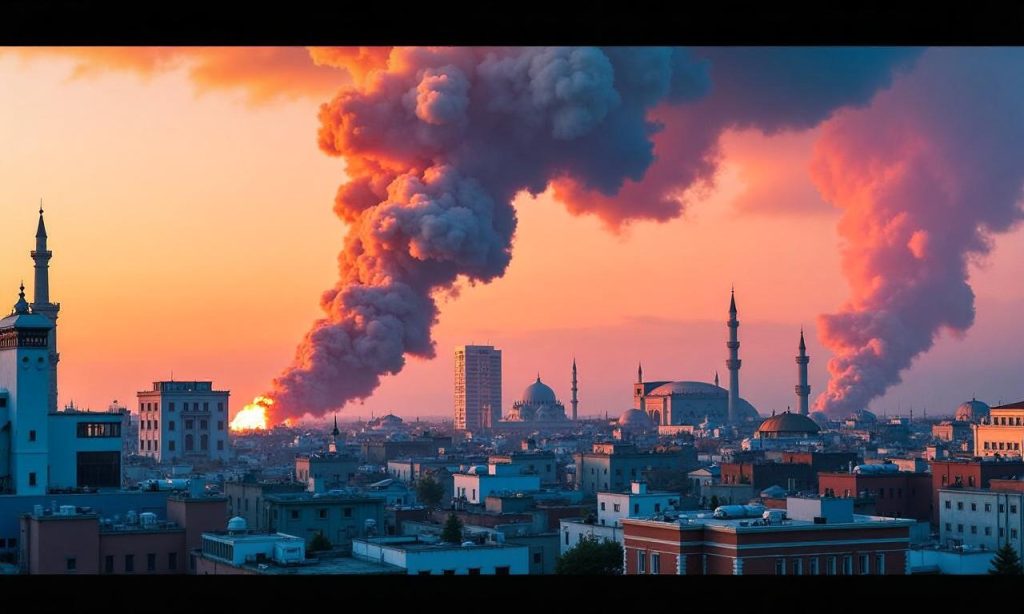
What we know about the two-week ceasefire between the US and Iran
Following months of escalating tensions, Iran and the United States have reached a temporary agreement to halt hostilities for a period of two weeks. This pause in military action is contingent on Iran reopening the Strait of Hormuz, a crucial passage for oil and trade. The deal was announced shortly after US President Donald Trump issued a dire warning about potential attacks on Iran, which had intensified earlier in the month.
Terms of the Ceasefire
Iran has committed to allowing commercial ships to transit the Strait of Hormuz without interference for two weeks, with coordination by its military forces. In return, the US has agreed to a suspension of strikes against Iran. This arrangement is part of a broader 10-point initiative, which includes ending conflicts in Iran, Iraq, Lebanon, and Yemen, as well as lifting sanctions and releasing frozen assets.
“We have already met and exceeded all military objectives,” Trump stated on Truth Social, justifying the temporary pause in attacks.
Mediation and Next Steps
Pakistan’s Prime Minister Shehbaz Sharif played a key role in facilitating the talks, confirming the ceasefire took effect immediately. The country has invited the involved parties to meet in Islamabad on Friday to continue negotiations toward a lasting resolution. However, White House spokesperson Karoline Leavitt noted that no official agreement has been finalized yet.
Israel’s Response
Israeli Prime Minister Benjamin Netanyahu expressed support for the ceasefire, but emphasized that it does not extend to Lebanon. Despite the agreement, Israel maintains its presence in the region and aims to eliminate Hezbollah, an Iran-aligned group. Sirens and missile interceptions were reported in Israel shortly after the announcement, suggesting ongoing readiness for conflict.
“Israel supports President Trump’s decision to suspend strikes against Iran for two weeks, subject to Iran opening the straits and ceasing attacks on the US and regional nations,” Netanyahu said.
Challenges Ahead
Although the ceasefire marks a step toward de-escalation, differences remain between the US and Iran regarding its scope and implications. Both nations have engaged in multiple rounds of discussions, yet tensions often resurface during the process. The upcoming talks in Islamabad will be critical in determining whether this pause can lead to a more permanent resolution.
