
Trump says Iran’s handling of Strait of Hormuz is ‘not the agreement we have’
Trump Claims Iran Mismanages Strait of Hormuz
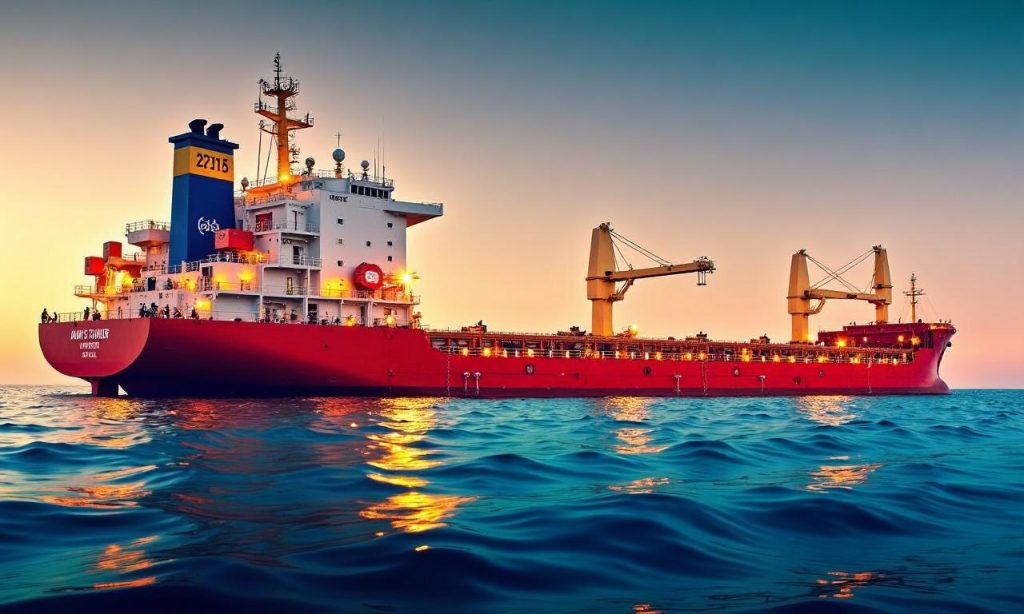
President Donald Trump criticized Iran’s management of oil transit through the crucial Strait of Hormuz, calling it a “very poor job” and stating it was “not the agreement we have.” His remarks underscored tensions over the ceasefire terms, which have been disputed by conflicting reports. Meanwhile, Israeli Prime Minister Benjamin Netanyahu announced plans to engage in direct discussions with Lebanon, aiming to address Hezbollah’s military presence and foster peace.
Evacuation Concerns Amid Israeli Strikes
WHO head Tedros Adhanom Ghebreyesus warned on X that evacuating patients from Beirut’s Jnah district, home to two hospitals, was “operationally unfeasible” due to limited alternatives. Over 450 individuals, including 40 in critical care, would be displaced, according to his statement. This came after Israeli attacks intensified, injuring at least 1,150 people and killing 303. The Ministry of Public Health’s headquarters, which shelters over 5,000 displaced citizens, also falls within the evacuation zone.
“At this time, no alternative medical facilities are available to receive approximately 450 patients from the two hospitals (including 40 patients in the ICU), rendering their evacuation operationally unfeasible.”
Uncertainty Over Ceasefire Terms
The ceasefire agreement sparked debate over Lebanon’s inclusion. Iranian officials and Pakistani mediators argued Lebanon should be part of the deal, while U.S. and Israeli representatives insisted otherwise. This ambiguity led Iran to accuse Israel of violating the terms, halting ship traffic through the Strait of Hormuz, and threatening retaliation. Trump later tweeted about the strait, noting “reports that Iran is charging fees to tankers” and urging them to stop.
“They better not be and, if they are, they better stop now.”
Israeli military operations in southern Lebanon continued, destroying villages and prompting new evacuation alerts in Beirut. Despite Lebanon’s March ban on Hezbollah’s military actions, the group remains active. The government ordered security forces to limit weapons in the capital to state facilities, with Prime Minister Nawaf Salam stating, “The army and security forces are requested to immediately begin reinforcing the full imposition of state authority over Beirut Governorate.”
Peace Talks and Hezbollah’s Role
Netanyahu’s office praised Lebanon’s push to demilitarize Beirut, emphasizing that negotiations would focus on disarming Hezbollah. However, the group, though part of Lebanon’s government, operates independently with Iranian support. Analysts questioned how effective Lebanese leadership would be in curbing Hezbollah’s activities, especially as Israeli strikes persisted. A U.S. State Department meeting in Washington was confirmed to facilitate talks between Israel and Lebanon.
