
They survived the bombs, but not the virus: Fatal illness spreads in Gaza
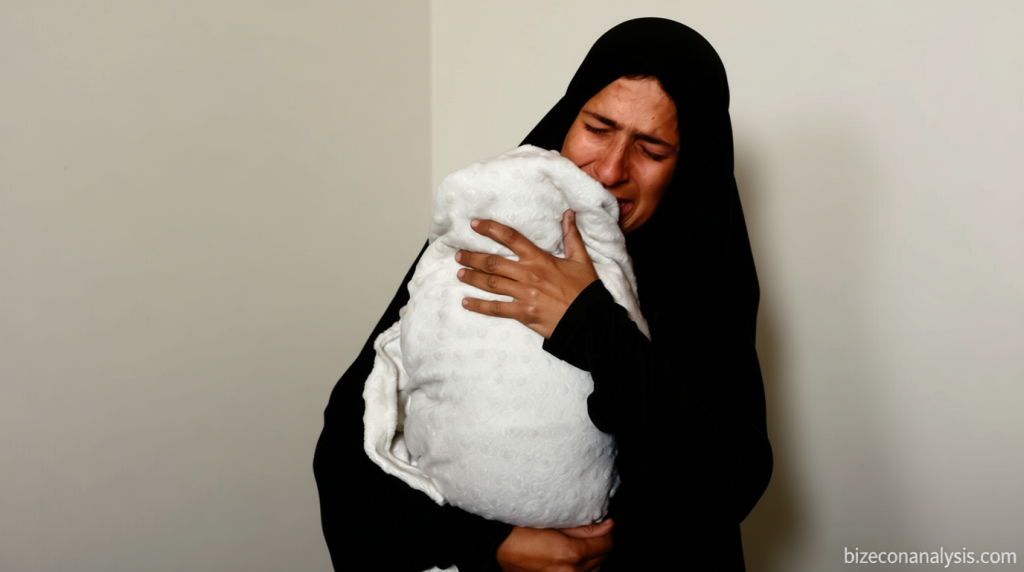
They survived the bombs, but not the virus: Fatal illness spreads in Gaza
Marwa Kalloub never anticipated that her daughter Mariam would succumb to a virus after being admitted with flu-like symptoms. The 38-year-old mother relied on her child’s natural defenses and simple treatments to see her through.
“Mariam had no prior health problems,” her aunt, Iman Kalloub, told Middle East Eye. “Before she died, she had a severe cough, nausea, and a high fever. She stopped eating entirely.”
Yet in Gaza, where Israeli blockades have eroded immunity and the medical system lies in ruins, a common illness became deadly. The family had celebrated the October ceasefire, rebuilding their home and sending Mariam back to school, unaware that the virus would take her life.
In recent weeks, a rapidly spreading variant has gripped the territory, targeting communities already battered by two years of conflict. Health officials remain uncertain about the virus’s identity, citing restricted testing and scarce medical supplies, which have left residents at the mercy of its unpredictable nature.
A Hospital Reborn
Rantisi Hospital, once a vital hub for treating pediatric patients with kidney disease and cancer, now serves as a frontline against respiratory and gastrointestinal ailments. After repeated Israeli attacks, its capacity to handle chronic conditions has been reduced, leaving it overwhelmed by emergency cases.
Mariam, eight years old, was admitted on 11 January. Her mother raced to the hospital after noticing her severe breathing issues, only to wait hours for a pediatrician. Doctors found her lungs in a dire state, with treatment options limited to oxygen support.
“Two years of war didn’t kill her. A minor virus did,” said Kalloub, reflecting on the tragedy.
While the ceasefire brought temporary relief, the situation remains dire. UN agencies reported last month that 77 percent of Gaza’s population still grapples with acute food shortages, heightening vulnerability to disease.
Health Crisis Deepens
According to a November 2025 report by the Health Cluster, most medical facilities in Gaza are struggling to function. It revealed that 55 percent of essential medicines are unavailable, and 71 percent of basic supplies are out of stock. “Diagnosis and treatment are nearly impossible without adequate resources,” said Mohammed Abu Salmiya, director of al-Shifa Medical Complex in Gaza City.
Abu Salmiya noted that emergency admissions have surged by 200 percent, with patients presenting respiratory infections, high fevers, and severe weight loss. Overcrowded camps, leaking tents, and polluted water sources have accelerated the virus’s spread. “Children, the elderly, and those with chronic illnesses are especially at risk,” he said, adding that famine and malnutrition have weakened immune systems, causing complications and deaths.
The crisis highlights how prolonged conflict has transformed Gaza into a battleground for both bombs and disease. Despite the resilience of medical staff, the collapsing infrastructure continues to threaten lives. “The virus could be influenza, a mutated strain, or even Covid-19,” Abu Salmiya said, underscoring the uncertainty plaguing the region.
