
Iran Strait of Hormuz warning adds to shipping uncertainty
Iran Strait of Hormuz warning adds to shipping uncertainty
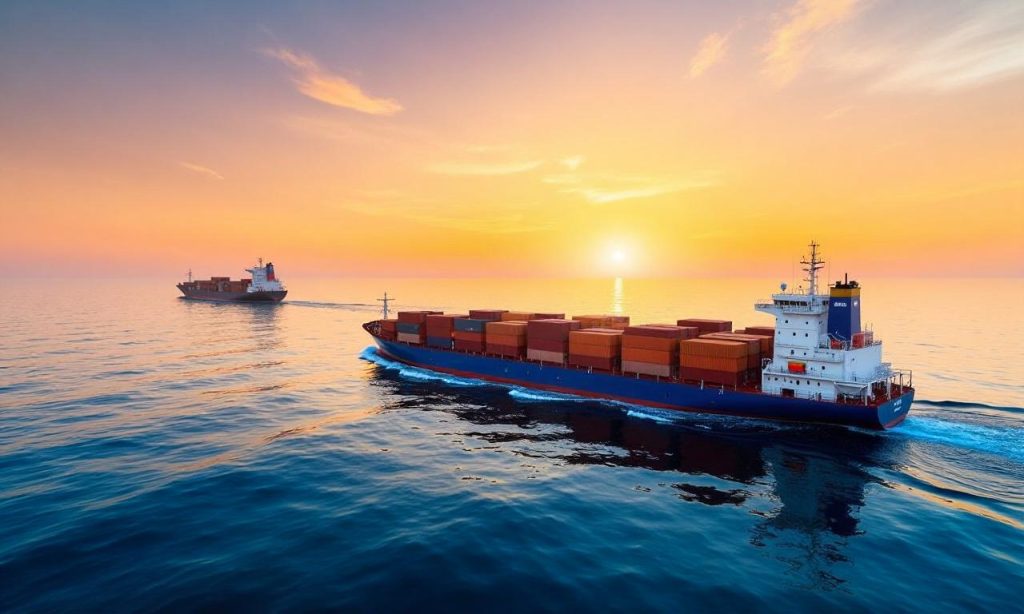
Iran’s navy has issued a warning to ships in the Gulf, stating that vessels crossing the Strait of Hormuz without authorization may face attacks. This confirmation comes from SSY, a shipping brokerage firm, which shared the message with BBC Verify. The warning follows a two-week ceasefire agreement reached on Tuesday evening, contingent on “safe passage” through the strait being secured. However, only a limited number of ships have so far navigated the waterway since the deal was announced.
Strait’s strategic importance
The Strait of Hormuz has emerged as a critical battleground in the US-Israeli conflict with Iran. It serves as a vital artery for global trade, facilitating the transport of roughly a fifth of the world’s oil and liquefied natural gas. Over the past five weeks, disruptions in the area have caused ripples through the global economy, raising energy prices and highlighting the fragility of international supply chains. The narrowest point of the strait measures just 33km (21 miles) in width, making it a strategic chokehold for maritime traffic.
Current ship activity
As of 8 April at 14:00 BST, only three bulk carriers—NJ Earth, Daytona Beach, and Hai Long 1—had crossed the strait since the ceasefire began on Tuesday night. BBC Verify’s analysis of MarineTraffic data reveals this number, compared to the pre-conflict average of 138 ships daily. The exact cause of these crossings remains unclear, with analysts suggesting they could be either a result of the ceasefire or prearranged exceptions.
“Most shipping lines would want to get details and reassurances on what it actually takes to transit and those details are not available,” said Lars Jensen of Vespucci Maritime.
“It is still too soon to tell whether this reflects a broader ceasefire-driven reopening or a previously approved exception,” noted Ana Subasic from Kpler.
Uncertainties persist
Analysts remain cautious about a significant increase in crossings. Richard Meade of Lloyd’s List emphasized that the strait remains under Iranian control, and ship owners still face uncertainty regarding the process of securing passage. “The assumption is that ship owners will still need to seek permission from the IRGC,” he stated, adding that the method for doing so is not yet defined.
Niels Rasmussen from BIMCO highlighted another concern: the two-week duration of the ceasefire. “I doubt there will be a large influx of ships into the Gulf… because they do not want to risk being trapped after the two-week window closes.” Meanwhile, Thomas Kazakos of the International Chamber of Shipping noted the lingering threat of sea mines, stressing the need for clear confirmation of navigational safety.
Additional challenges
Shippers also face the possibility of paying tolls to Iran for safe passage, as reports suggest this could be part of the ceasefire arrangement. “The Iranian negotiation position seems to be that you need to pay a toll to go through the strait,” explained Jensen. This payment might conflict with U.S. sanctions, complicating decisions for shipping companies.
Some nations, such as India, Malaysia, and the Philippines, have already secured safe passage for their vessels. However, the broader implications of tolls remain uncertain, as they could influence the pace of global trade recovery through the strait.
