
Four people die trying to board boat in Channel crossing attempt
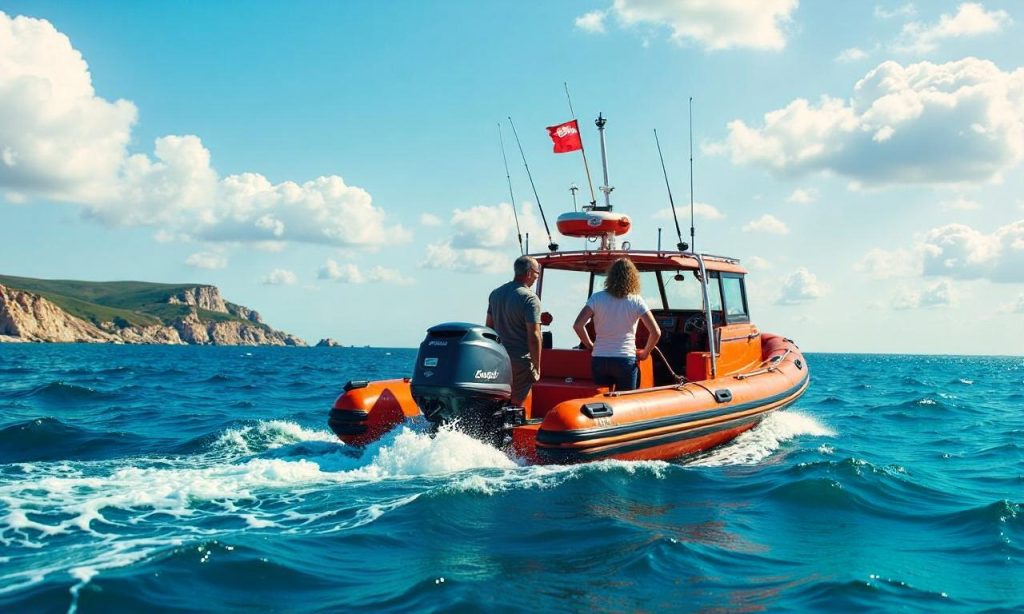
Four Individuals Lose Their Lives in Channel Crossing Attempt
Local officials confirmed that four people died near the northern French coast after attempting to cross the English Channel. The Pas-de-Calais prefecture described the incident, stating that two men and two women were swept away by strong currents while “trying to board a water taxi,” according to a statement made at a press briefing.
“The death toll remains provisional,” said Prefect François-Xavier Lauch. “One individual was treated for hypothermia and sustained non-life-threatening injuries, while 37 others were hospitalized as part of the ongoing rescue operations.”
Rescue teams, including firefighters and intensive care units, arrived at the scene at 07:30 local time (06:30 BST) on Thursday morning. French media reported that efforts to recover those in distress were still active. The event occurred off the coast of Boulogne, between the beaches of Équihen and Écault, south of Calais.
Crossing Trends and Weather Impact
Recent weather conditions in the Channel have been relatively calm, following weeks of turbulent seas. This has contributed to a rise in crossings during the summer season. Over the past three years, the number of people arriving in the UK via small boats has grown, with 41,472 individuals crossing in 2025 alone.
Between 1 January and 26 March 2026, 4,441 people made the journey from France to the UK by small boat. This figure represents a 33% decline compared to the 6,642 recorded during the same period in 2025. Officials suggested that harsher weather in 2026, relative to 2025, may have affected the crossing numbers.
Smugglers Adapt Tactics to Avoid Detection
People smugglers have shifted strategies to evade police surveillance. Instead of inflating boats near police patrols in the dunes, gangs now launch vessels from concealed spots, often dozens of kilometers away from primary departure beaches. These boats then travel along the coast, acting like taxis or buses, to transport passengers waiting in the water.
