
Children’s entertainer Ms. Rachel has a new cause: Freeing kids from ICE detention
Children’s entertainer Ms. Rachel has a new cause: Freeing kids from ICE detention
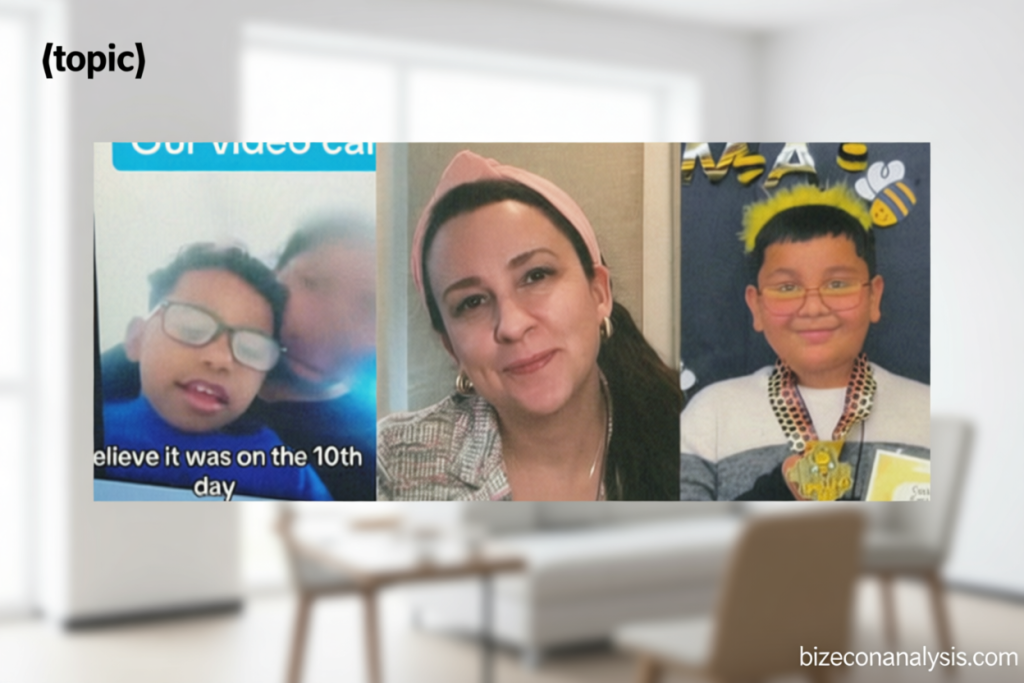
In early March, 9-year-old Deiver Henao Jimenez was detained with his parents at Dilley, a South Texas immigration center. During a video call, the boy expressed his distress, saying, “I don’t want to be here anymore. Nothing is good here.” This moment struck a chord with Ms. Rachel, the beloved children’s entertainer, who shared the call with the child. Wearing her trademark pink headband, she spoke in a gentle, melodic tone, offering reassurance and empathy.
Deiver’s voice carried the weight of a child longing for freedom. He mentioned missing his friends and feeling discomfort from the center’s food. Yet, his deepest concern was not the meals but the chance to participate in his school’s spelling bee, which he had previously won and was set to compete in New Mexico’s state contest in May. Ms. Rachel acknowledged his talent, saying, “You have a real gift for spelling. You’re so smart.”
“It was unbelievably surreal to see this sweet little face and feel like I was on a call with somebody who’s in jail,” Ms. Rachel, whose real name is Rachel Accurso, told NBC News in an exclusive interview this week. “It broke me, and it was something I never thought I’d encounter in life.”
Accurso’s journey to Dilley began in January when federal agents detained the father of 5-year-old Liam Conejo Ramos in Minneapolis. The child’s image—wearing a blue bunny hat and Spider-Man backpack—became a symbol of the family detention crisis. After their release, the family’s asylum request was denied, but the incident sparked Accurso’s deeper involvement. Her educational videos for infants and toddlers had already made her a household name, but the experience with Liam deepened her resolve.
Since the Trump administration’s expanded immigration crackdown, over 2,300 children have been held with their families, with the majority at Dilley. The center’s conditions have drawn criticism, including reports of moldy food, constant lighting, and children losing weight due to worms in their meals. Parents and advocates also described guards patrolling corridors and long waits for medical treatment. Some families have faced emergencies while detained, highlighting the strain on the system.
Accurso has since become a vocal advocate, addressing children in conflict zones like Gaza, Sudan, and the Democratic Republic of Congo. Her efforts have raised hundreds of thousands of dollars but also drawn criticism for perceived political bias. She has consistently emphasized, “I see all children as precious and equal,” framing her advocacy as universal.
After a recent video call with Deiver and another detained boy, Accurso announced a new mission: collaborating with legal experts and activists to close Dilley. The number of children there has dropped from 500 in January to around 50 this week, according to The New York Times. While the cause of the decline remains unclear, advocates credit months of pressure from human rights groups and Democratic lawmakers.
The Department of Homeland Security dismissed concerns as “mainstream media lies,” claiming Dilley offers comprehensive care tailored to families. However, Accurso’s firsthand encounter with Deiver’s anxiety has shifted her focus to local action. “This is a call to close Dilley and ensure kids are back with their communities,” she stated, signaling a pivot in her advocacy.
