
Iran’s ferocious retaliation for US-Israeli strikes has rattled its neighbors
Iran’s ferocious retaliation for US-Israeli strikes has rattled its neighbors
Gulf Arab nations attempted to avert a US-Israeli assault on Iran. Now, as Tehran’s response unfolds, its own borders are facing unprecedented threats. The Islamic Republic’s aggressive countermeasures have stunned governments and civilians alike, shaking the region’s long-held sense of security.
For years, Iran’s neighbors have invested heavily in American military technology and hosted US bases to deter potential attacks. Over four decades, these oil-rich states have spent billions on advanced weaponry and maintained large American troop deployments, including up to 40,000 soldiers, equipped with state-of-the-art missile defense systems. Despite this, Iran has consistently warned that any US strike on its territory could prompt a swift and severe retaliation.
Retaliation Ignites Regional Turmoil
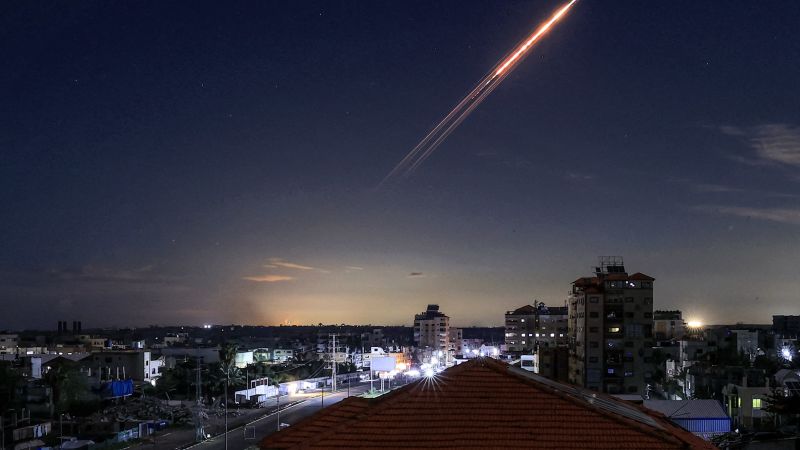
Following an airstrike that killed Iran’s supreme leader, Ayatollah Ali Khamenei, and 49 other senior officials, Tehran launched a barrage of more than 400 ballistic missiles and nearly 1,000 drones at Gulf Arab nations. This unprecedented scale of attacks overwhelmed infrastructure, disrupted tourism, and forced the closure of key airports and energy facilities. Even US military installations were targeted, resulting in casualties and chaos.
“We’ve had two decades to study defeats of the US military to our immediate east and west,” said Iranian Foreign Minister Abbas Araghchi. “We’ve incorporated lessons accordingly.”
Iran’s Revolutionary Guard Corps (IRGC) swiftly adopted a decentralized “mosaic defense” strategy, launching covert strikes from hidden cells across the country. Mobile units disguised as civilian trucks can deploy drones and short-range missiles with minimal detection. The rapid escalation within 72 hours left many in shock, as urban areas, airports, and critical infrastructure became prime targets.
US Officials Signal Unyielding Resolve
US Defense Secretary Pete Hegseth emphasized that Iran’s “nuclear pursuits” and “swelling arsenal of ballistic missiles and killer drones” are “no longer tolerable.” The Trump administration’s decision to strike Iran was framed as a necessary step, despite earlier warnings from Gulf leaders. As US forces concentrated near Iran, Tehran vowed a stronger response than during the 12-day conflict last summer, which began with Israel’s surprise attack and drew in the United States.
Amid the chaos, patience among Gulf allies is fading. A senior official called Iran’s strikes on Saudi Arabia and other rivals a “miscalculation,” stating that Tehran has “lost all goodwill from Islamic and Arab states.” The United Arab Emirates, facing relentless attacks, has vowed to remain active in the crisis, according to Reem Al Hashimy, the UAE’s minister of state for international cooperation.
The conflict has disrupted travel, halted schools, and caused fear among residents. With the downing of three US fighter jets in friendly fire, the region’s stability now hangs in the balance. As Iran’s offensive continues, its neighbors grapple with the reality of a war that has turned their once-secure borders into battlegrounds.
