
Do Americans support Trump’s Iran war?
Do Americans support Trump’s Iran war?
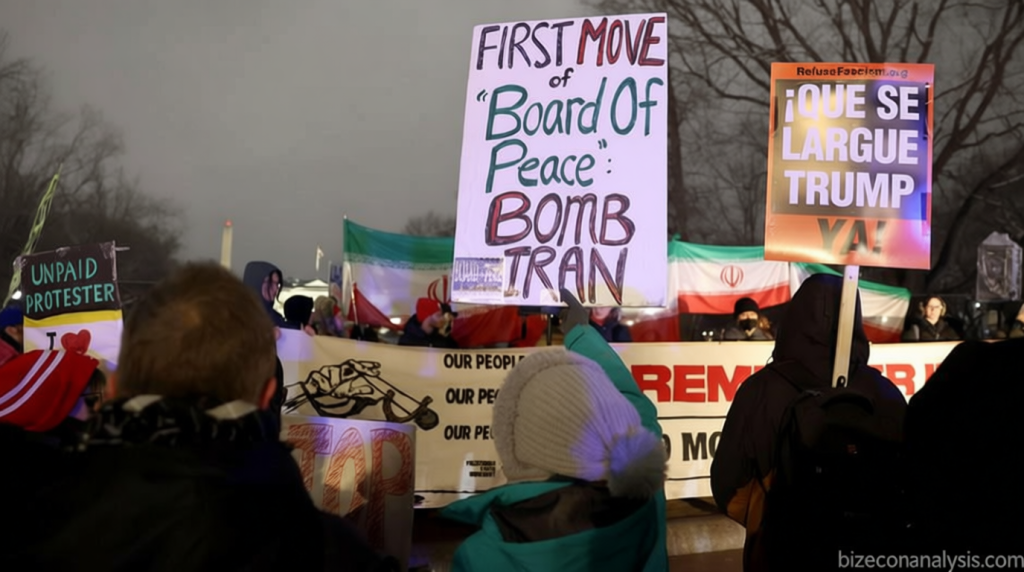
The ongoing US military actions in Iran have contributed to surging oil prices and rising inflation. With the conflict escalating since February 28, the question remains whether Trump’s MAGA base endorses these strikes. For years, Trump positioned himself as a leader of peace, claiming to resolve international disputes and even establishing the Board of Peace, a new global initiative, while advocating for a Nobel Peace Prize.
Yet, the Iran war has shifted this narrative. Trump’s January intervention in Venezuela, which ousted leader Nicolas Maduro, and last year’s air strikes on multiple nations, including Iran, challenge his image as a peacemaker. This contrasts sharply with his campaign promise of “no more forever wars,” a slogan that deeply resonated with his MAGA supporters. Now, the war’s economic toll threatens to undermine his domestic agenda.
Recent polls reveal mixed public sentiment. CNN found 59% of respondents disapproving of the attacks, while 41% supported them. Reuters indicated 43% opposed the conflict, with 27% in favor and 29% uncertain. Despite these findings, Trump’s Republican allies largely back the military campaign. However, internal divisions have emerged within the MAGA movement, as noted by ex-Fox News commentator Tucker Carlson, who called the strikes “absolutely disgusting and evil” in a
blockquote> quote.
Analysts warn the war’s impact could worsen. Johannes Thimm, leading the Americas research group at SWP, stated that “economic consequences are felt in the US, criticism will increase.” He emphasized that the conflict raises fuel costs and fuels inflation, directly clashing with Trump’s goal of curbing prices. “The war will strain the American budget significantly,” Thimm added.
Jonathan Katz, affiliated with the Brookings Institution, noted that “the Middle East situation could amplify domestic concerns, redirecting attention to the US economy’s challenges.” The Congress, led by Republicans, is focused on issues like Jeffrey Epstein, ICE, and war power resolutions, underscoring that domestic priorities remain active. A Democratic-led War Powers Resolution was introduced to limit presidential war authority, though its success is unlikely. The Senate already rejected the measure.
Thomas Warrick, a political analyst at the Atlantic Council, highlighted that Trump’s unilateral approach might backfire: “He will own the outcome. Success could offer a minor boost, but failure risks a major setback to his agenda.” The November midterms add complexity, as the House and a third of the Senate seats are up for grabs. Thimm pointed out that “Republicans face a tough choice—supporting the war might alienate voters, yet withholding backing could weaken their standing.”
