
Why a delayed Xi-Trump summit could give China a stronger hand
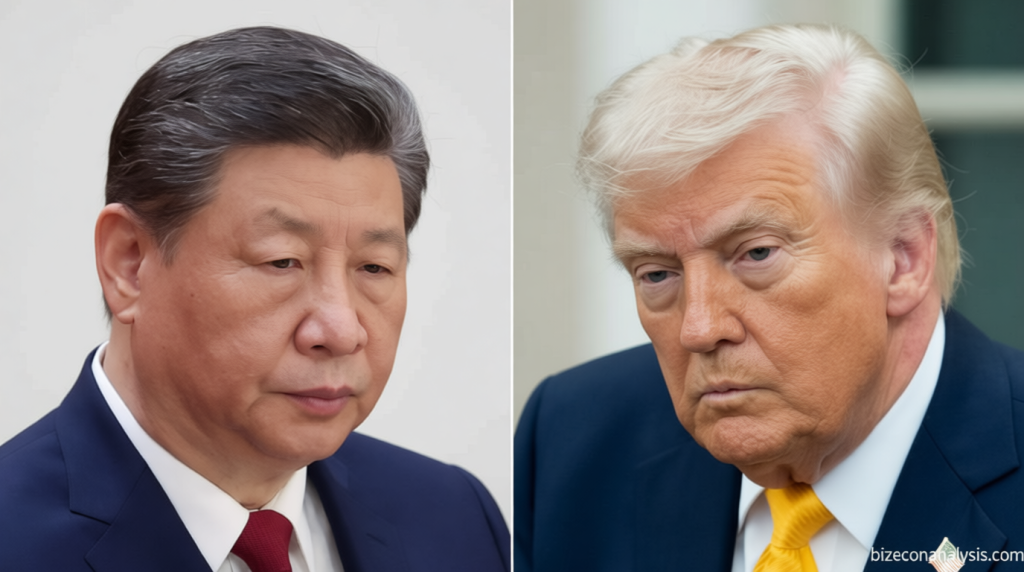
Why a delayed Xi-Trump summit could give China a stronger hand
The proposed postponement of Trump’s meeting with Xi Jinping might favor Beijing, according to analysts. With the US president requesting a shift in the high-stakes summit’s timing, China could leverage the delay to avoid entanglements linked to the ongoing conflict with Iran. This country remains a pivotal ally for Beijing in the Middle East, and the prolonged war has already begun to strain global oil markets and economic stability. Experts suggest that if Trump’s administration struggles to resolve the crisis, it could weaken his position during negotiations.
Beijing has not yet officially endorsed the delay, which was initially proposed as a five- to six-week adjustment. While the Chinese Foreign Ministry spokesperson Lin Jian emphasized the importance of such summits in shaping bilateral ties, the tone of Beijing’s response remains cautious. Two unnamed Chinese officials hinted at the possibility of the summit being canceled entirely, should either side decide to withdraw from talks. “If the war in Iran causes significant harm to Chinese citizens or infrastructure, Trump may lose momentum,” one source explained.
A strategic advantage in uncertainty
Analysts view the delay as a calculated move for China, giving it time to maneuver while Trump grapples with the escalating conflict. The summit, originally planned for March 31 to April 2, was positioned as a key opportunity to redefine relations between the world’s two dominant economic and military powers. However, the war has complicated its timing, with some in Beijing noting that Trump’s actions have already shaken confidence in US leadership.
“The longer the war persists, the more frustrated Trump becomes,” said Wu Xinbo, a scholar at Fudan University and advisor to China’s Foreign Ministry. “This frustration could make him less effective in negotiations, giving us a better chance to steer discussions.” Wu also pointed to the US Supreme Court’s recent decision, which struck down Trump’s emergency tariffs, as a sign of his weakened stance. “If the war drags on, we’ll assess whether Trump still has leverage,” he added.
Global perception shifts
China may gain political traction from the situation, as international allies reconsider their reliance on the US. Rana Mitter, a US-Asia relations expert at Harvard Kennedy School, noted that the war has led to a growing perception of China as a stable alternative. “While China isn’t necessarily more reliable than the US, the changes in Washington have made it seem so,” she said. This shift could bolster China’s position as the summit approaches, even if the meeting itself is uncertain.
