
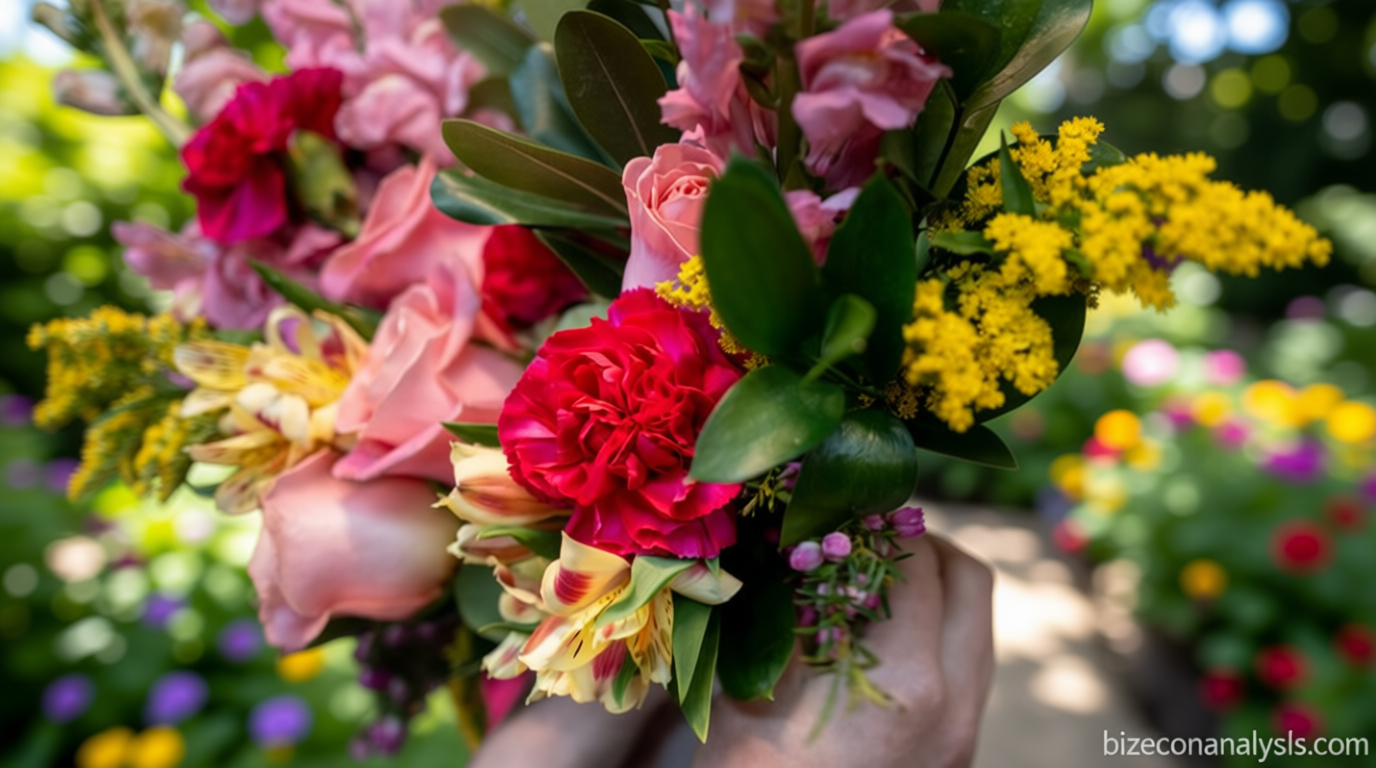
That Mother’s Day bouquet could be getting pricier this year
That Mother s Day bouquet could – Mother’s Day is a time when costs can quickly accumulate. From festive brunches to thoughtful gifts and personalized cards, the holiday is often marked by a surge in consumer spending. However, the floral aspect of this tradition is also facing significant pressure. As fuel prices climb and global supply chains strain, the price of Mother’s Day bouquets is set to rise, according to industry analysts and business leaders. While flowers may not always be the most expensive component of the celebration, their increased cost is reshaping how consumers approach the floral gift.
Supply Chain Strains and Rising Fuel Costs
The journey of flowers to Mother’s Day celebrations involves a complex supply chain. A single rose plucked in Ecuador, for instance, travels thousands of miles by cargo plane to Miami before being loaded onto refrigerated trucks and shipped to wholesalers or grocery stores nationwide. This intricate process ensures flowers are fresh and available just in time for the holiday. Yet, this year, the industry is grappling with additional challenges. Higher fuel prices are disrupting the flow, making it more expensive to transport flowers from Central and South America to U.S. markets.
“The fuel cost is extremely expensive right now,” said Marlene Gutierrez, Saga’s business manager. “It affects the cost of the flowers.”
For Saga’s Wholesale, a 30-year-old family business in the Los Angeles Flower District, the situation is particularly tight. Gutierrez noted that the company has seen a dramatic shift in pricing, with a typical two-dozen rose bouquet now costing around $30—double the price from the previous year. This 50% increase is part of a broader trend affecting the entire industry. With nearly 80% of cut flowers in the U.S. imported from abroad, and the majority sourced from Colombia, any disruption in transportation has a ripple effect across the market.
Charlie Hall, a professor of international floriculture at Texas A&M University, highlighted the vulnerability of the flower supply chain. “Because flowers don’t last long, long-term storage is less viable,” he explained. “That makes shipments more sensitive to unexpected changes, like the recent surge in energy prices.” Hall added that jet fuel is the second-largest cost driver in the imported flower supply chain, after labor. “That feeds straight through to the rose in the consumers’ bouquet,” he said, emphasizing the direct link between fuel expenses and retail prices.
Tariffs and Trade Agreements Add to the Pressure
Alongside fuel costs, tariffs are also contributing to the price hikes. The U.S. and Ecuador signed a trade agreement in March, but it hasn’t yet taken effect. This means roses from Ecuador are still subject to a 15% tariff, which adds to the overall cost. Similarly, flowers imported from the Netherlands face at least a 10% tariff. These financial barriers, combined with rising fuel expenses, are pushing prices higher for both businesses and consumers.
Armellini Logistics, a key player in the flower distribution network, has introduced a fuel surcharge that fluctuates weekly based on diesel prices. The national average for diesel recently reached $5.66, a level not seen since 2022. David Armellini, the company’s CEO, acknowledged the challenge of passing these costs to customers. “It’s hard to say it’s manageable when you increase your prices,” he admitted. “But it’s reality. The price of fuel has gone up, so the cost has to go up to everybody along the chain.”
Consumer Behavior and Industry Adaptation
Despite the price pressures, the demand for flowers remains strong. The National Retail Federation reported that 75% of Mother’s Day shoppers plan to purchase floral arrangements, with total consumer spending expected to reach $3.2 billion—a figure nearly identical to last year. However, the rising costs are forcing florists to adjust their strategies. At Flower Den Florist in Lorton, Virginia, a family-owned business operating for over 35 years, the premium rose bouquet price has increased by 7.5% compared to the previous year. Owner Kamal Kalifa noted that while the business absorbed some expenses to keep prices stable, it also raised delivery fees to offset the financial strain.
“Most customers have been understanding,” Kalifa said. “They still value flowers, but they’re making more thoughtful choices around size, add-ons, pickup, and delivery.”
Kalifa observed that consumers are now more selective with their purchases, prioritizing value over volume. This shift in behavior is evident across the industry, as florists and retailers navigate the balance between maintaining profitability and offering affordable options. “What we’re seeing is more selective spending,” he added. “If the bouquet looks a little smaller or the stem count is a little lower this year, it’s not a coincidence.”
According to Hall of Texas A&M, florists are using smaller bouquets as a way to preserve price points while managing rising input costs. This strategy helps mitigate the impact of higher transportation and material expenses. “That’s how florists have been protecting price points while their input costs have run higher,” Hall said. The result is a Mother’s Day that may feature slightly less extravagant arrangements, but with the same emotional value for recipients.
Meanwhile, the broader economic context adds to the complexity. The Bureau of Labor Statistics revealed that indoor plant and flower prices rose by 7.5% year-over-year in March, outpacing the overall inflation rate of 3.3%. This indicates that the floral sector is experiencing inflation at a faster pace than many other industries. For businesses like Saga’s Wholesale, the combination of fuel costs and tariffs is creating a dual challenge. While they’ve managed to keep prices relatively stable, the long-term effect of these pressures could lead to more noticeable hikes as the season approaches.
As the Mother’s Day rush nears, the flower industry is adjusting to a new reality. What was once a predictable annual cycle is now marked by uncertainty and increased expenses. From the Ecuadorian fields to the U.S. stores, every step in the supply chain is impacted by the surge in fuel and import costs. Florists are responding by optimizing their offerings, and consumers are adapting their expectations. The outcome is a holiday that still celebrates love and appreciation, but with a slightly pricier twist. As Hall noted, “The end result might just be a more modest bouquet for mom.”





