
Butterfly numbers are dropping but here are five species you may see more of
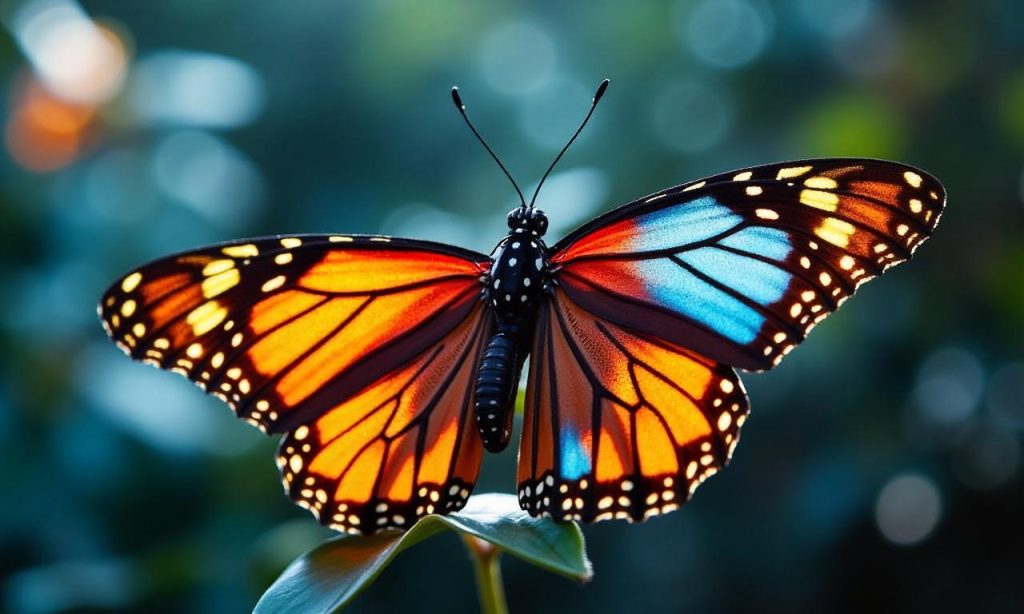
Butterfly Populations in Decline, Yet Five Species Show Signs of Improvement
Over the past 50 years, a shift toward milder and sunnier conditions—partially attributed to climate change—has enabled several British butterfly species to thrive, according to the UK Butterfly Monitoring Scheme (UKBMS). This vast citizen science project, operational since 1976, has gathered more than 44 million records from 782,000 volunteer surveys, making it one of the most comprehensive and enduring ecological datasets of its kind.
Despite this progress, the broader trend is concerning. Data reveals that 33 out of 59 native butterfly species are experiencing significant declines, while 25 have seen population increases. One species, found in mountainous regions, remains undetermined due to limited data. The findings underscore a growing disparity between species that adapt well to changing environments and those reliant on specialized habitats.
Species Thriving Amidst Warming Climates
Some butterflies, such as the Red admiral, are now overwintering in the UK, a shift linked to rising temperatures. Comma butterflies, known for their frayed wing edges, have rebounded since the survey began. The Orange tip’s numbers have risen by over 40%, and the Black hairstreak—once among the UK’s rarest—shows signs of recovery due to targeted conservation efforts. The Large Blue, which vanished in 1979, has also benefited from habitat restoration programs.
“The data collected over five decades is extraordinary and sets a global benchmark for wildlife monitoring,” remarked Prof Jane Hill, a butterfly expert at the University of York. She noted that butterflies, being cold-blooded, respond positively to warmer conditions, allowing them to expand their ranges northward into Scotland and northern England.
However, species dependent on specific ecosystems, like woodland clearings or chalk grasslands, are struggling. These habitats face increasing pressure from land-use changes and environmental degradation, limiting the butterflies’ ability to migrate or adapt. The loss of some species has been severe: the white-letter hairstreak, whose caterpillars emit a glow under ultraviolet light, has dropped by 80% since 1976. The pearl-bordered fritillary, a vibrant orange-and-black butterfly whose larvae feed solely on violets, has declined by 70%.
Even among adaptable species, the outlook is mixed. The small tortoiseshell, once widespread, has declined by 87%. “We’ve lost the rich diversity of butterfly communities that once existed in our landscapes,” said Prof Richard Fox, head of science at Butterfly Conservation. “This mirrors the disappearance of family-run shops and traditional skills from high streets—ecological simplification has erased much of the variety.”
Public Contribution and Conservation Challenges
The scale of the dataset is a testament to the dedication of volunteers, who have traversed over 932,000 miles across 7,600 sites. “Without this continuous evidence, we’d be navigating in the dark,” emphasized Steve Wilkinson, director of the Joint Nature Conservation Committee. He highlighted the critical role of volunteer data in tracking conservation successes and identifying areas needing urgent attention.
Conservation initiatives focus on safeguarding habitats, especially as farming intensifies and natural areas shrink. Yet challenges persist, particularly because many butterfly species and their larvae have narrow dietary preferences. For instance, the Duke of Burgundy relies entirely on primroses and cowslips, while the purple emperor depends on goat or grey willow. This specificity makes it harder for some species to survive in altered environments, prompting projects like Butterfly Conservation’s Magdalen Hill Downs reserve to create diverse habitats for better resilience.
