
Amazon to end support for older Kindles, prompting user outcry
Amazon to end support for older Kindles, prompting user outcry
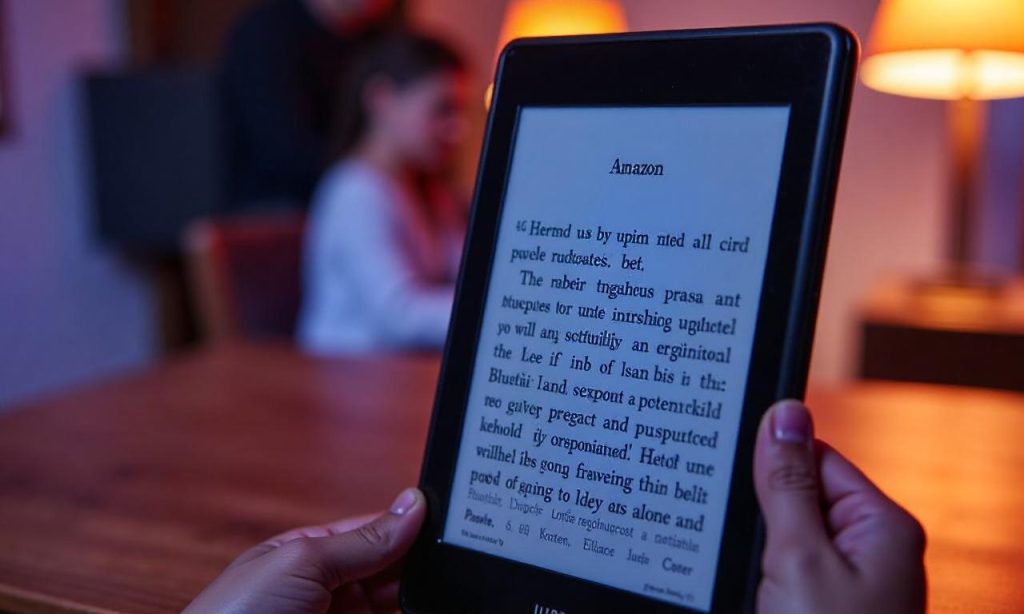
Amazon has announced it will soon halt support for older Kindle devices, a decision that has sparked significant frustration among users. Emails sent by the company to affected customers expressed gratitude for their loyalty but noted that devices released in or before 2012 will no longer get updates starting 20 May 2026. This change means users of older models, such as the Kindle Touch and certain Kindle Fire tablets, will lose access to new e-books and content from the Kindle Store.
Users Express Disappointment
Many have voiced their discontent over the move, with some questioning the necessity of discontinuing support. One user, identified as X on social media, shared their experience:
“I’ve had my Kindle Touch since 2013. It works great, and I bought a book on it just months ago. Now it’s obsolete.”
Another user criticized the device as “one of the most low-tech gadgets ever made,” wondering why Amazon would stop maintaining it.
Amazon’s Justification
In a statement, an Amazon representative explained:
“Starting May 20, 2026, customers using Kindle and Kindle Fire devices from 2012 or earlier will no longer be able to purchase, borrow, or download new content via the Kindle Store. These models have been supported for at least 14 years—some for up to 18—but technology has advanced significantly, and they will no longer be supported moving forward.”
The spokesperson listed the affected devices, emphasizing that users can still access their existing e-books and manage their accounts through the mobile and desktop apps.
Concerns Over Obsolescence and E-Waste
Kay Aaronricks, 46, shared her surprise at the news, highlighting the emotional impact of losing her 14-year-old Kindle. “It shows how much that device has become part of my life,” she said. “I love paper books, but the Kindle is more practical for carrying my library wherever I go.” She also raised concerns about advertisements on newer, discounted models, which she believes could disrupt the reading experience.
Tech analyst Paolo Pescatore acknowledged the decision’s rationale:
“While it may frustrate users of still-functional devices, the move is understandable from a security and support standpoint. These gadgets were built for a different era and can’t handle modern, data-intensive features.”
However, he noted that outdated hardware might now become a more limited offline tool. Ugo Vallauri of the Restart Project added that ending support for older models often leads to “soft-bricking” millions of devices, raising worries about e-waste. “This could result in 2 million devices being discarded, generating over 624 tons of electronic waste,” Vallauri warned.
Additional reporting by James Kelly. Sign up for the BBC’s Tech Decoded newsletter to stay updated on global tech trends. Outside the UK? Subscribe here.
