
Trump extends Iran deadline by five days and claims ‘productive’ talks
Trump Extends Iran Deadline by Five Days and Claims ‘Productive’ Talks
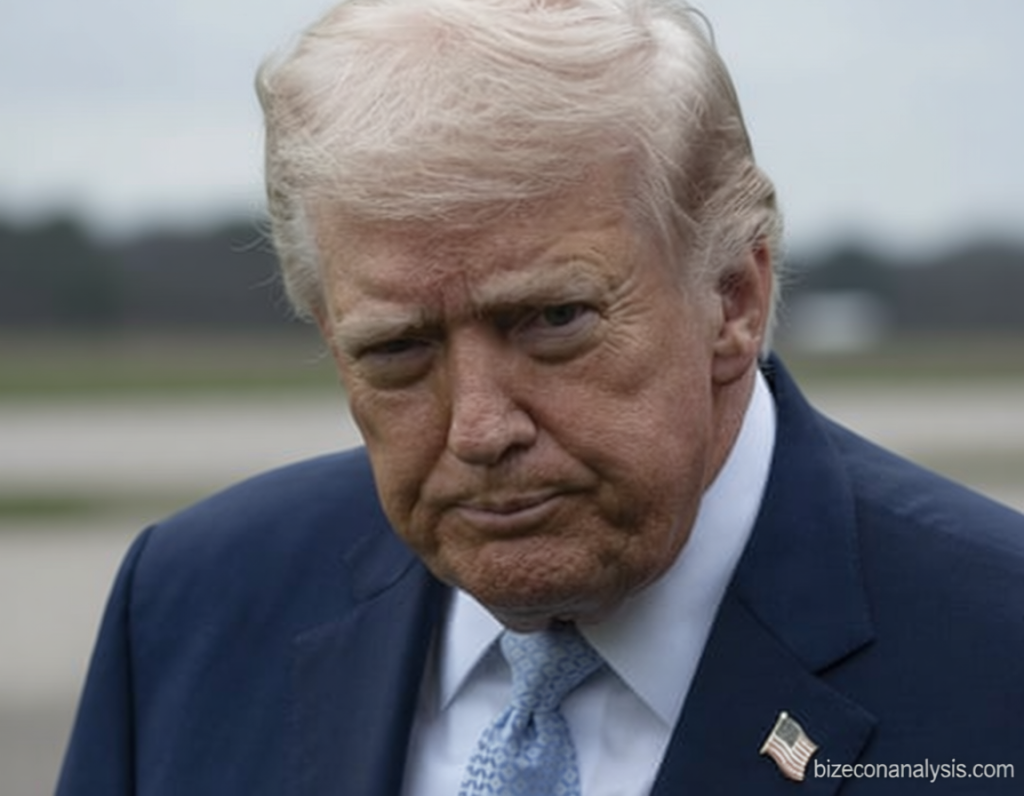
President Donald Trump has pushed back the deadline for potential strikes on Iran’s energy facilities by five days, stating that “productive” discussions have taken place between the U.S. and Iran. The new timeline allows for additional time to resolve the ongoing conflict, which has been escalating for three weeks. Trump’s announcement, posted on Truth Social, suggests the possibility of de-escalation, though it remains unclear how this will lead to a full resolution.
Tehran has yet to respond officially to Trump’s decision, despite the implications for the war. The Fars news agency, affiliated with the Islamic Revolutionary Guard Corps, dismissed the claim, asserting that there were no direct or indirect communications with the U.S. Meanwhile, the state-run IRNA newspaper reported that Iran’s foreign ministry stated no negotiations had occurred. Analysts caution that while Trump’s delay may offer temporary relief, a lasting peace requires more than just extended talks.
Oman, Turkey, Egypt, and Pakistan have reportedly acted as intermediaries in recent days, attempting to mediate between the parties. Oman’s foreign minister, Badr Albusaidi, emphasized the country’s efforts to ensure safe passage through the strategic Strait of Hormuz. However, the effectiveness of these diplomatic moves remains uncertain as tensions continue to mount.
Trump initially set a 48-hour ultimatum, threatening to dismantle Iran’s energy infrastructure if the country did not permit unimpeded shipping through the strait. In response, Iran vowed to strike U.S. military installations in the Middle East, vital desalination plants in Gulf nations, and intensify attacks on Israel. Fars attributed the U.S. retreat to Iran’s warning, with a graphic on Iranian state television captioning the event as “US president backs down following Iran’s firm warning.”
“We have had, over the last two days, very good and productive conversations,” Trump wrote in his post, instructing the Department of War to delay strikes on Iranian power plants and energy systems for five days, contingent on the success of ongoing talks.
The strait of Hormuz, a critical artery for global oil and liquefied natural gas, has been effectively closed by Iranian attacks, triggering stock market declines and economic anxieties. Following Trump’s extension, oil prices stabilized, and financial markets recovered some losses. The UAE noted that its air defenses were engaged in intercepting incoming Iranian missiles, while Israeli and U.S. aircraft maintained their assault on Iranian targets.
Earlier that day, two Iranian missiles struck southern Israel, wounding over 100 individuals. Israeli Prime Minister Benjamin Netanyahu pledged retaliation across all fronts. Tehran’s response was defiant, stating it would “irreversibly destroy” essential Middle East infrastructure, including water systems, if the U.S. proceeded with strikes. The regime also warned of targeting power plants that supply electricity to American bases, as well as energy systems with U.S. involvement.
Trump’s focus has shifted from regime change to securing a temporary ceasefire, though his rhetoric has still framed the conflict as a battle for Iran’s control. The war began with an Israeli airstrike that killed Supreme Leader Ali Khamenei and several top officials, prompting U.S. military support. Analysts highlight concerns about Iran’s stockpile of enriched uranium, whose location remains undisclosed, as a potential threat to future stability.
