
Iran says it will ‘irreversibly destroy’ Middle East infrastructure if US attacks energy sites
Iran says it will ‘irreversibly destroy’ Middle East infrastructure if US attacks energy sites
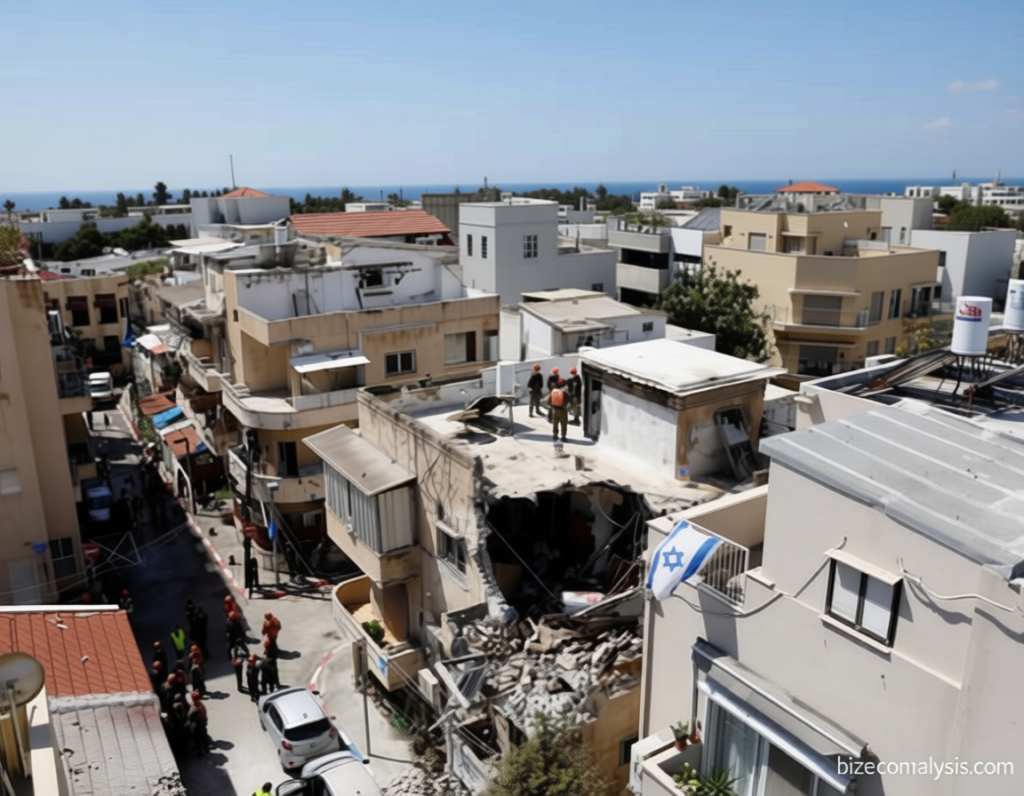
Hours after Donald Trump warned of a potential “obliterate” strike on Iran’s power plants, Tehran declared it would “irreversibly destroy” key infrastructure in the Middle East if the US targeted its energy facilities. The threat followed overnight missile attacks on two southern Israeli cities, which left dozens injured and damaged buildings. These actions signaled a possible escalation in the region’s ongoing conflict, now entering its fourth week.
The Iranian parliament’s speaker, Mohammad Bagher Ghalibaf, stated that “vital infrastructure, including energy and oil systems,” would become “legitimate targets” once Iran’s own facilities were under attack. The military command center Khatam al-Anbiya added that if the US followed through on its threat, the strait of Hormuz would be “completely closed” until Iranian power plants were rebuilt. This would mean strikes on Israeli “power plants, energy, and ICT infrastructure” as well as US bases and companies in the region.
Iran’s president, Masoud Pezeshkian, argued that “threats and terror” were strengthening national unity, while the “illusion of erasing Iran from the map” exposed the US’s “desperation against the will of a history-making nation.” Trump had given Iran 48 hours – until shortly before midnight GMT on Monday – to open Hormuz or face “hit and obliterate” strikes on its power plants, starting with the largest ones.
Ali Mousavi, Iran’s representative to the International Maritime Organisation, claimed the strait was accessible to all ships except those associated with “Iran’s enemies,” provided security agreements were in place. However, Iranian attacks had effectively blocked the narrow strait, which transports roughly a fifth of global oil and liquefied natural gas. This disruption triggered the worst oil crisis since the 1970s, with European gas prices rising by up to 35% last week.
Only about 5% of the pre-war volume of vessels, from countries like China, India, and Pakistan, were permitted through the strait. Since February 28, when the US and Israel began targeting Iran, over 2,000 people have been killed. Tehran retaliated by hitting Israel and Gulf states, drawing Lebanon into the conflict after Hezbollah launched attacks on Israeli territory.
On Sunday, air raid sirens blared across Israel as missiles struck the towns of Arad and Dimona, injuring hundreds. The Israeli army confirmed it could not intercept the projectiles, which targeted the Negev Desert nuclear center. This site, believed to house the Middle East’s sole nuclear arsenal, remains a key strategic point. The strikes marked the first time Iranian missiles had bypassed Israel’s air defenses in the area.
Among the casualties were two children, a 12-year-old boy and a five-year-old girl, in critical condition. Israeli broadcaster Channel 13 reported early signs of possible fatalities, though no official confirmation was released. Iran linked the attacks to a previous strike on its Natanz nuclear enrichment facility, which Israel denied responsibility for. The Pentagon also declined to comment on the incident.
Meanwhile, a separate attack in Tel Aviv on Sunday morning injured 15 more individuals using cluster bombs. The ongoing assaults are straining Israel’s air defense capabilities, intensifying pressure on the country’s security systems.
