
Cesar Chavez accused of abusing girls and women, drawing outrage and reckoning for civil rights movement
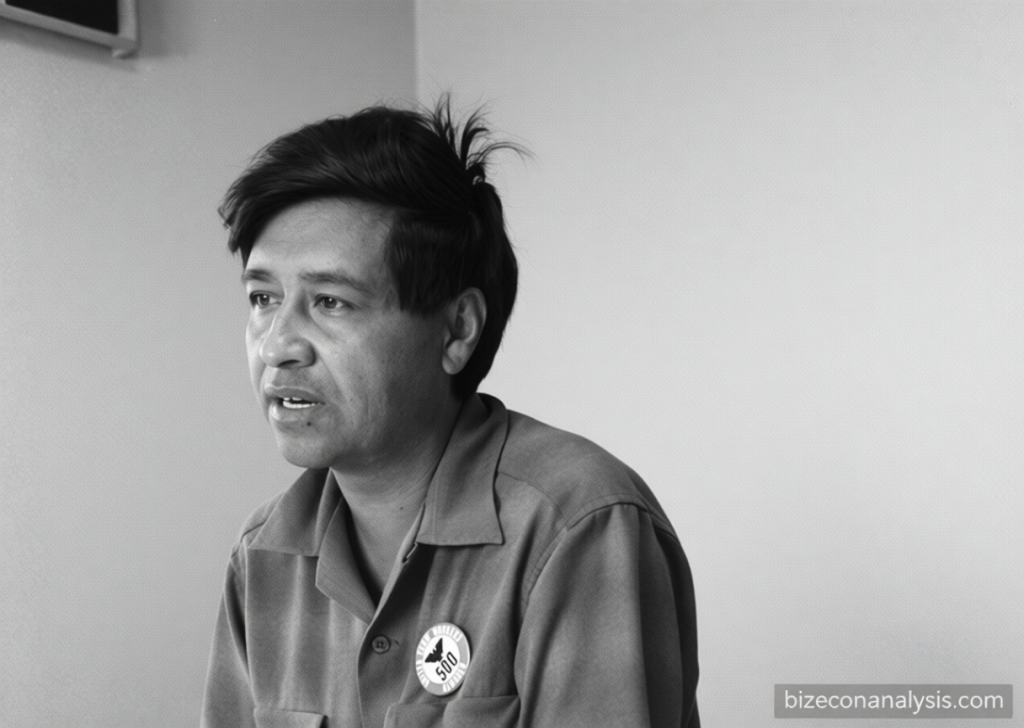
Cesar Chavez Accused of Sexual Misconduct, Sparking Controversy in Civil Rights Movement
The late Cesar Chavez, a key figure in the fight for labor rights, is now facing allegations of sexual abuse from girls and women dating back to the 1960s and 1970s. These claims, disclosed in an investigative report by The New York Times, challenge the legacy of a leader who shaped the struggle for farmworkers’ equality and became a symbol of Mexican American advocacy.
Dolores Huerta’s Testimony
Dolores Huerta, a co-founder of the United Farm Workers (UFW), shared her experiences with NBC News. “The first time I was manipulated into sexual relations with him, feeling powerless to refuse due to his influence as both mentor and movement leader,” she explained. “The second time I was raped, and I felt trapped in a situation where I couldn’t escape.” Huerta’s account, part of a broader examination, highlights the personal toll of the abuse.
“The man I thought he was, was someone else,” said Eliseo Medina, a retired union official and close associate of Chavez. Medina, who once saw himself as a potential successor to Chavez, expressed confusion and anger over the accusations. “All those years we worked together, sharing values and fighting for justice, it just seems he didn’t believe in those things or somehow separated them from his actions as a union leader.”
Investigation and Evidence
The New York Times compiled over 60 testimonies, including those from former aides, family members, and UFW members, to reveal the allegations. The report also referenced union records, emails, photographs, and recordings of board meetings. Huerta’s claims were joined by two other women, who recounted being molested as minors, adding depth to the narrative.
The revelations have sparked significant reflection within Mexican American and Latino communities, where Chavez was once celebrated as a hero. His influence extended beyond labor rights, inspiring countless activists and shaping policies that honored his work. Yet, the accusations now cast doubt on his moral standing, prompting a reassessment of his legacy.
Chavez Family’s Response
Chavez’s family released a statement expressing “shock and sadness” over the allegations of sexual impropriety with women and minors nearly five decades ago. They later described the news as “deeply painful,” emphasizing their commitment to the causes he championed. “We carry our own memories of the person we knew—someone whose life included work and contributions that matter deeply to many people,” they noted.
Delia Garcia, a former Kansas labor secretary and long-time Huerta mentee, expressed emotional support for the survivors. “This is another reason why we can’t let people suffer in silence,” she said, adding that Chavez’s photos will be removed from her home. Garcia, who does not know the other accusers personally, stood with Huerta in condemning the abuse.
The accusations now force a reckoning with Chavez’s impact, blending admiration for his activism with scrutiny of his personal conduct. As the movement he inspired grapples with this new chapter, the debate over his legacy continues to unfold.
