
Trump needs China’s help fixing the global oil crisis. It’s unlikely to play along
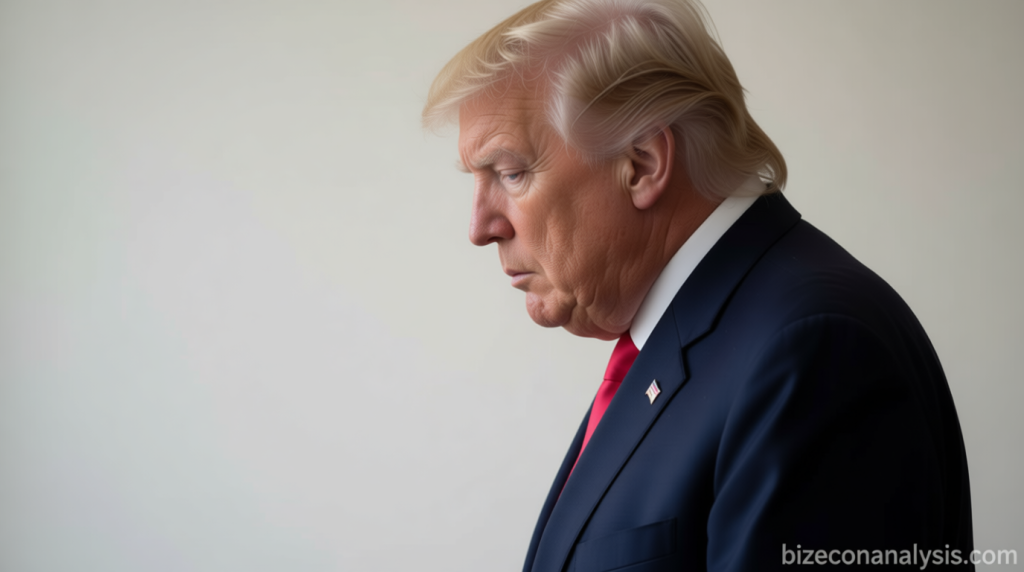
Trump Needs China’s Help Fixing the Global Oil Crisis. It’s Unlikely to Play Along
The Strait of Hormuz Closure Sparks Global Energy Crisis
Two weeks prior to President Donald Trump’s planned summit in Beijing, he introduced a novel demand for the talks: securing the Strait of Hormuz. Iran’s blockade of the vital shipping route has disrupted approximately 20% of global oil supplies, causing market turbulence and concerns over potential energy shortages. This disruption has intensified fears of economic instability, pushing Trump to seek international cooperation in stabilizing the region.
Trump’s Strategic Gambit: China’s Role in the Crisis
With the world grappling with its most severe oil crisis in recent memory, Trump is urging allies like France, Japan, and Britain to collaborate in safeguarding the strait. He also targeted China, demanding its support before the meeting with Xi Jinping. In a Financial Times interview, he hinted at possibly postponing the summit if China hesitates. “Those who benefit from the strait should ensure its safety,” he remarked, implying China’s role in the broader energy situation.
China’s Resilience Amid Energy Challenges
Beijing has long prepared for such scenarios, amassing crude reserves, broadening import sources, and pouring billions into renewable energy initiatives. This strategic cushion gives China more flexibility than its neighbors, allowing it to withstand prolonged disruptions. Analysts note that China’s recent proposal to let tankers pass through the strait in yuan could further align its interests with Iran’s demands.
“Trump is in a difficult position, with few global allies,” said Bert Hofman, a scholar at the East Asian Institute, National University of Singapore. “China, strategically secure, might not feel compelled to act.”
War Overshadows Beijing Summit
The ongoing conflict between the US and Iran has cast a long shadow over the summit, which was initially a focal point for diplomatic engagement. As attacks on Iran’s infrastructure escalate, domestic criticism of Trump’s policies has grown. Within China, the situation is viewed with a mix of indifference and satisfaction, with some analysts highlighting his isolation on the world stage.
“Trump has disrupted the global order with his actions in the Middle East,” noted Henry Huiyao Wang, head of the Center for China and Globalization. “His allies are dwindling, and China may not be eager to help.”
US-China Trade Talks Continue Despite Diplomatic Tensions
Meanwhile, economic negotiations between the US and China persist, with officials meeting in Paris to explore agreements on agriculture and critical minerals. Trump’s recent threat to delay the summit reflects his dwindling leverage after the Supreme Court ruled against his unilateral tariff policies. Even as he presses allies to send warships, Japan and Australia have remained hesitant.
“Is this about shared responsibility or shared risk?” questioned an anonymous author in the Global Times, a nationalist publication. “China’s position is clear: it supports Iran’s actions but wants to avoid direct confrontation.”
China’s Strategic Dilemma: Ally or Neutral?
China, Iran’s key economic partner and largest oil buyer, has criticized the attacks on Iran but also backed its strikes against neighboring states like Saudi Arabia. While state media calls for unity in addressing global challenges, Beijing’s decision to prioritize its own interests over Trump’s demands remains a calculated move. The outcome of the summit will hinge on whether China chooses to align with the US or maintain its independent stance.
