
The B-52: Why the US still uses a plane from the 1960s to bomb its enemies
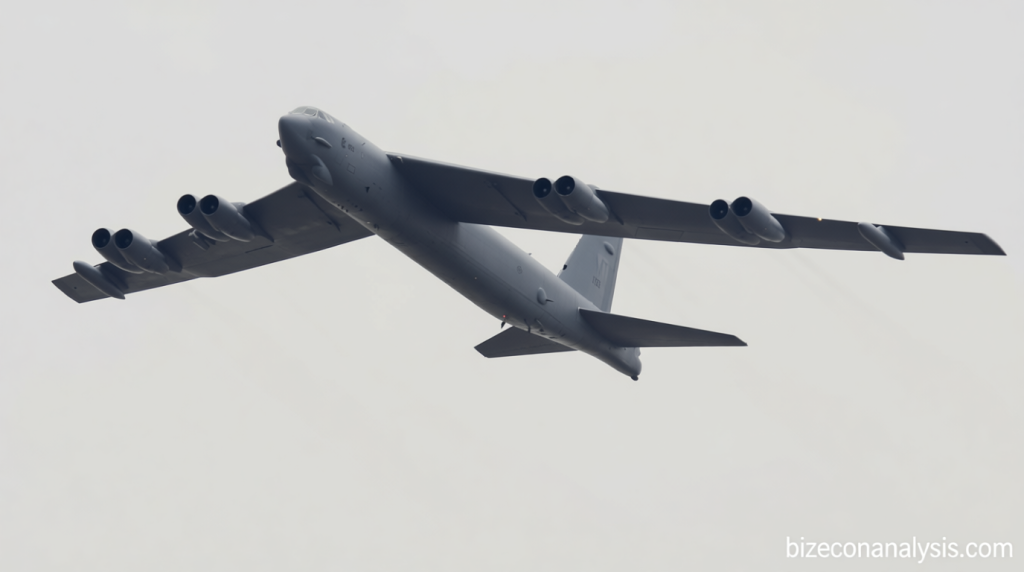
The B-52: Why the US Still Relys on a 1960s Era Bomber
Despite its vintage, the Boeing B-52 Stratofortress remains a key asset in US military strategy, often called upon by presidents for targeted strikes against adversaries.
The B-52H variant, currently in active service, was first deployed by the United States Air Force in 1961. Over 63 years later, 76 of these aircraft continue to form the core of the USAF’s bomber fleet, representing half of its total bomber inventory.
Rolls-Royce has recently upgraded the Cold War-era bombers with modern engines, extending their operational lifespan well into the 2050s. Sky News reports that the planes are now en route to the UK, following a shift in policy by Sir Keir Starmer to allow US forces to utilize British airbases for defensive actions targeting Iran.
The B-52 is famously nicknamed BUFF—Big Ugly Fat Fella—by its crew, reflecting its robust design and enduring presence in combat scenarios. Its capacity to transport up to 70,000 lbs of ordnance, including bombs, missiles, and mines, underscores its versatility as a weapon platform.
With the H model capable of carrying 20 air-launched cruise missiles, the bomber’s arsenal spans both conventional and nuclear capabilities. It can deploy gravity bombs, nuclear-armed cruise missiles, and thermonuclear warheads, making it a dual-purpose force in modern warfare.
Though its range of 8,800 miles is formidable, the B-52’s operational cost is a critical factor in its continued use. Compared to newer aircraft, it requires fewer resources to maintain, offering a practical advantage in prolonged conflicts.
Operating with a five-person crew, the B-52 has been pivotal in major military campaigns. From the Vietnam War, where it conducted extensive bombing missions, to the Gulf War’s Operation Desert Storm and the 2003 invasion of Iraq, its role has evolved yet remained central.
In 2014, President Obama directed the B-52 to engage ISIS in Syria and Iraq, resulting in approximately 1,800 combat missions. Today, the bomber is once again deployed against Iran, alongside the B-1, under President Trump’s orders.
The strategic importance of the B-52H extends beyond its combat prowess. Its relocation to regions like Venezuela in 2020 served as a diplomatic signal, reinforcing US military presence and escalating pressure on leaders such as Nicolas Maduro.
As the UK prepares for potential evacuations amid rising tensions in the Middle East, the B-52’s adaptability and reliability ensure its place in the skies for decades to come.
