
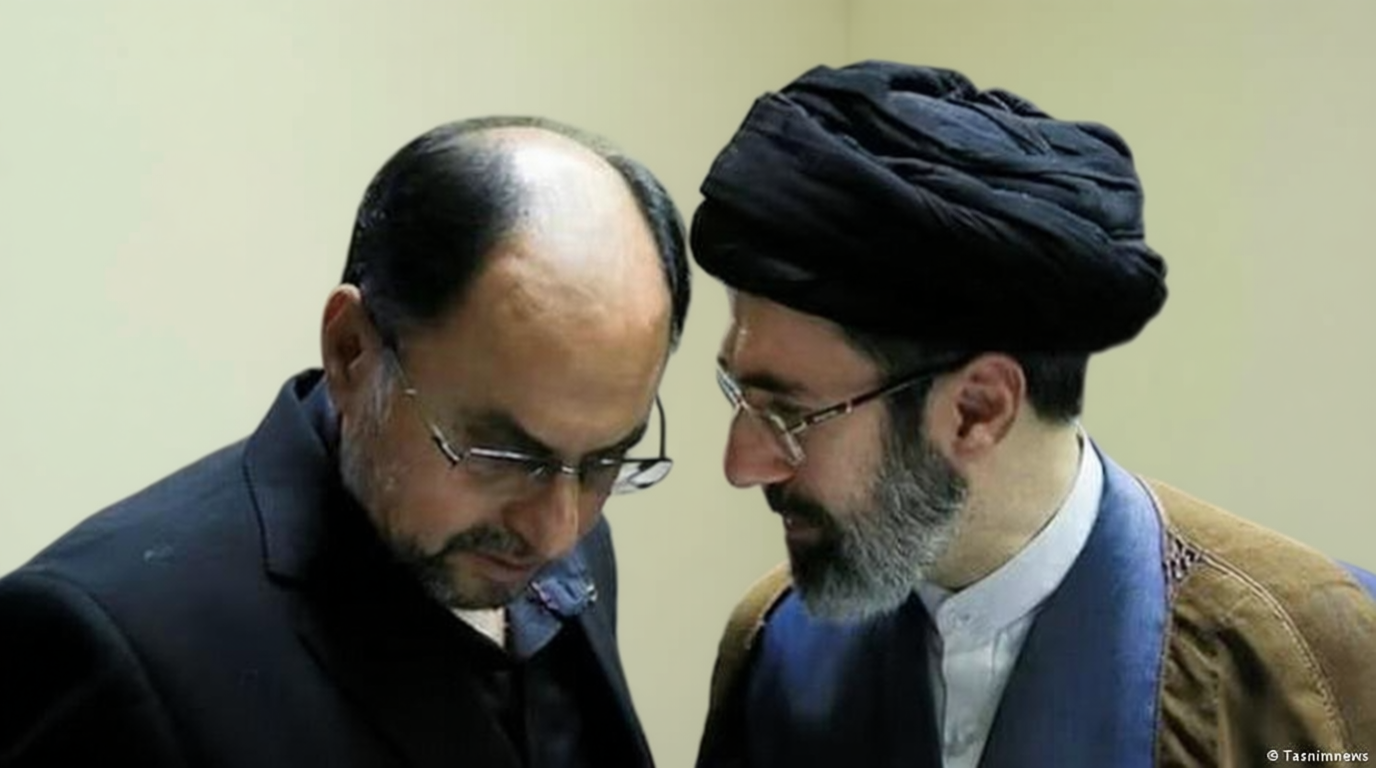
Who is Mojtaba Khamenei, Iran’s new supreme leader?
Iran’s Assembly of Experts has selected Mojtaba Khamenei, the son of former supreme leader Ali Khamenei, as the nation’s new head of state. This decision comes amid ongoing tensions with the United States and Israel, signaling a continuation of the country’s assertive stance. Mojtaba, born on September 8, 1969, in Mashhad, is the second child of Ali Khamenei, who was assassinated in an Israeli strike on February 28. The 88-member body announced his appointment on March 8, shortly after the escalation of hostilities with the U.S. and Israel.
Mojtaba is often portrayed as a mysterious figure with significant influence within Iran’s political hierarchy. He maintains strong ties to the Islamic Revolutionary Guard Corps (IRGC), which is believed to hold substantial power in the country’s governance. Despite his relatively low public profile and lack of formal political office, his role in shaping decisions is widely recognized.
“They are wasting their time. Khamenei’s son is a lightweight,” said US outlet Axios, quoting former President Donald Trump. Trump had previously called the appointment of Mojtaba “unacceptable,” suggesting it would not endure without coordination with Washington.
Israel’s defense minister warned that whoever succeeds Ali Khamenei would be a “target for elimination.” Mojtaba’s influence is thought to extend across key sectors, including economic operations managed by institutions under Ali Khamenei’s control. These include the Mostazafan Foundation, the Imam Khomeini Relief Committee, and other entities, with Mojtaba allegedly overseeing financial matters.
According to a 2026 Bloomberg investigation, Mojtaba’s assets include high-value properties in London and Dubai, as well as interests in shipping, banking, and hospitality industries in Europe. These assets are reported to be structured through intermediaries and layered corporate entities across multiple jurisdictions.
State media depict Mojtaba as living a modest life. After completing secondary education at Alavi School, he studied in Qom, a center for Islamic scholarship, where he attended lectures by prominent clerics. His early years were shaped by his father’s rise as a leader in the anti-monarchy movement against Shah Mohammad Reza Pahlavi. Mojtaba spent seven years in Sardasht and Mahabad before joining the IRGC in 1987.
Experts suggest Mojtaba played a pivotal role in the 2005 presidential election, which saw Mahmoud Ahmadinejad, an IRGC figure, ascend to power. This move allegedly weakened former president Akbar Hashemi Rafsanjani. In 2009, similar accusations emerged as Ahmadinejad’s re-election sparked widespread protests. Some demonstrators even chanted “death to Mojtaba” during the uprisings.
Reports indicate Mojtaba was involved in suppressing the green movement, a pro-reform group. Additionally, allegations of financial corruption have surfaced, with government insiders claiming over 60% of Iran’s economy is managed through entities controlled by Ali Khamenei. Mojtaba’s role in these operations has drawn scrutiny, though he has remained largely in the shadows.
To view this video, enable JavaScript and upgrade to a web browser supporting HTML5 video. Government officials first noted Mojtaba’s political clout in the mid-1990s, when he was seen alongside IRGC commanders following the Iran-Iraq war. His influence grew further during the 2005 elections, cementing his position in Iran’s intricate power structure.





