
‘We can’t take it anymore’: How Trump is pushing Cuba to the brink
‘We can’t take it anymore’: How Trump is pushing Cuba to the brink
During a recent visit to Havana, a Cuban man approached me on the street, his voice barely audible as he shared what felt like a closely guarded secret. “Let the Americans come, let Trump come, it’s time to get this over with,” he murmured. This sentiment carries weight in Cuba—a nation that has endured decades of political and economic turmoil. Yet now, under Trump’s administration, the pressure has reached a new intensity, reminiscent of Cold War-era tensions.
Trump’s rhetoric toward Cuba has escalated dramatically. On Friday, he declared to CNN’s Dana Bash that the island is “going to fall soon,” a claim that echoes past US leaders but gains sharper urgency due to the swift and targeted nature of his policies. The oil embargo, enacted with precision, has already begun to cripple Cuba’s fragile economy. Unlike the 1962 missile crisis, which featured a naval blockade, the current measures lack the physical barriers but deliver the same economic consequences.
Already in his second term, Trump has targeted Venezuela and Iran with aggressive interventions. Now, Cuba appears next in line. The government’s alliance with remaining allies has been weakened, leaving the island isolated. As a result, new hotels built at public expense stand empty, and tourism, once a vital sector, has all but disappeared. Employees are laid off, and the absence of jet fuel means fewer travelers arrive.
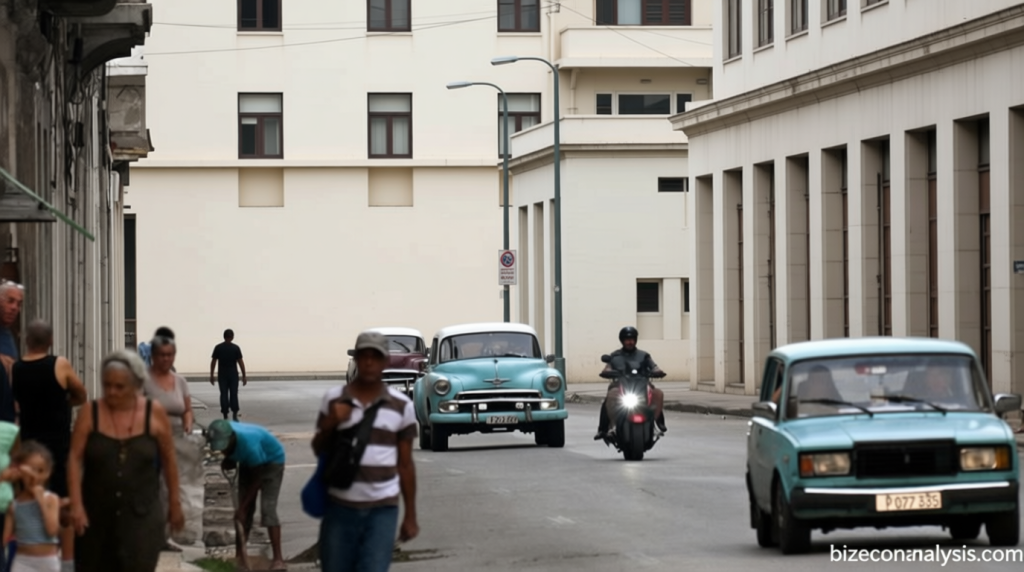
Power outages, once brief, now stretch for days. When the lights flicker on, Cubans emerge from their homes at midnight to cook and iron clothes. During a recent 36-hour blackout, a group of men cooked a pot over burning tree limbs on a Havana avenue. “We have returned to the Stone Age,” one man said with surprising optimism. Without fuel, the roads are nearly deserted, except for government rentals—vehicles that Cubans siphon to resell on the black market. A single tank of gas now costs over $300, surpassing the average annual income.
Despite the hardships, the Cuban government maintains its resolve. “The homeland or death. We will be victorious!” remains a rallying cry, even as officials dismiss Trump’s claims of a desperate need for negotiation. Yet, among the people, exhaustion is palpable. Some hope for change, regardless of its source. When my cameraman reappears, I ask the taxi driver if he wishes to speak for the story. He walks away, unwilling to share his frustrations beyond a hushed whisper—for now.
