
Proven Improve Credit Score Techniques That Actually Work

Improving a credit score is not about tricks or shortcuts. It is about applying improve credit score techniques that are proven, measurable, and aligned with how credit scoring models actually work. Lenders evaluate behavior patterns over time, not one-time actions. This article explains practical methods that consistently raise credit scores when applied with discipline and accuracy.
A strong credit score affects loan approvals, interest rates, rental eligibility, and sometimes employment checks. The techniques below focus on controllable factors used by major scoring systems such as FICO and VantageScore. Each method is actionable, realistic, and based on how credit data is reported and interpreted.
Understand What Actually Affects Your Credit Score
Before applying any improve credit score techniques, it is necessary to understand the scoring structure. Credit scores are calculated using payment history, credit utilization, length of credit history, credit mix, and new credit activity. Payment history and utilization carry the most weight.
Payment history reflects whether obligations are paid on time. Even a single late payment can remain on a credit report for up to seven years. Utilization measures how much of your available credit is being used, not how much you owe in total.
Many people focus on income or savings, but credit scores do not consider either. Scores only reflect how borrowed money is managed. Any strategy that ignores these mechanics is ineffective.
Pay Every Bill on Time Without Exception
Consistent on-time payment is the most reliable of all improve credit score techniques. Payment history typically accounts for about 35 percent of a credit score. Missed payments, collections, and charge-offs cause immediate damage.
Automating minimum payments prevents accidental late payments. Even one payment reported as 30 days late can lower a good score by dozens of points. There is no benefit to paying late, even if the balance is small.
If a payment has already been missed, bringing the account current as soon as possible limits further damage. Over time, the impact of late payments fades, but only if no new late payments occur.
Reduce Credit Utilization Strategically
Credit utilization is the ratio of balances to credit limits and is one of the most influential improve credit score techniques. Most scoring models favor utilization below 30 percent, with optimal scores often below 10 percent.
Paying down balances is more effective than closing accounts. Closing a credit card reduces available credit and can increase utilization overnight. Keeping accounts open while reducing balances improves the ratio.
Timing also matters. Credit card issuers typically report balances at statement closing, not after payment due dates. Paying balances before the statement closes can result in lower reported utilization.
Maintain Old Accounts and Credit History Length
Length of credit history affects the average age of accounts and demonstrates long-term reliability. Closing old accounts shortens credit history and removes positive payment data from active scoring calculations.
Keeping older accounts open, even if used infrequently, supports score stability. A small recurring charge paid in full each month keeps accounts active without creating debt.
Opening many new accounts in a short period lowers the average age and introduces multiple hard inquiries. This combination signals higher risk to lenders and can temporarily reduce scores.
Limit Hard Inquiries and New Credit Applications
Each hard inquiry slightly lowers a credit score, usually for up to 12 months. Multiple inquiries in a short timeframe suggest financial stress or aggressive borrowing. One of the most overlooked improve credit score techniques is simply applying for less credit.
Rate shopping for mortgages or auto loans is treated differently. Credit scoring models group similar inquiries within a defined window, typically 14 to 45 days, and count them as one. Credit cards and personal loans do not receive this grouping benefit.
Applying only when necessary preserves score momentum. Avoid opening new accounts solely for short-term benefits such as discounts or promotions.
Dispute Errors and Monitor Credit Reports Regularly
Credit report errors are common and can significantly reduce scores. Incorrect late payments, outdated balances, or accounts that do not belong to the consumer should be disputed immediately. Correcting errors is one of the fastest improve credit score techniques available.
Federal law allows free credit reports from each major bureau annually. Reviewing reports line by line ensures data accuracy. Disputes can be filed online and must be investigated within a fixed timeframe.
Monitoring also helps detect fraud early. Unauthorized accounts or inquiries can be addressed before causing long-term damage.
Use Credit Mix and Authorized Accounts Carefully
Credit mix refers to having different types of credit, such as revolving accounts and installment loans. While it has less impact than payment history or utilization, it still contributes to score strength.
Becoming an authorized user on a well-managed account can improve scores, especially for thin credit profiles. The primary account holder must have a long history of on-time payments and low utilization. Poorly managed authorized accounts can harm scores instead of helping.
Opening unnecessary loans solely to improve credit mix is not recommended. Any new credit introduces risk and potential cost.
Be Patient and Track Progress Over Time
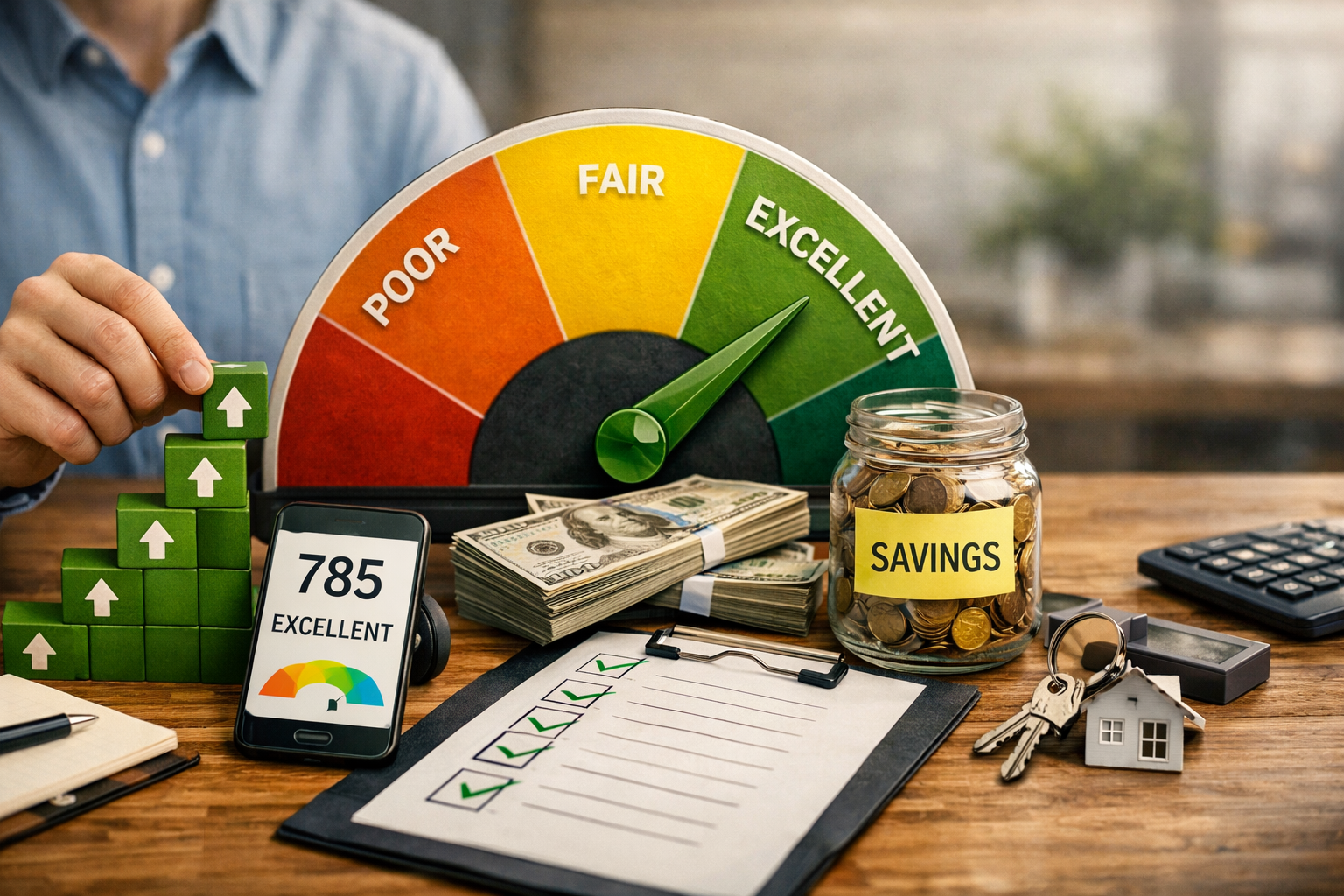
Credit improvement is cumulative, not instant. Most improve credit score techniques require consistent behavior over several months to produce measurable results. Sudden changes or short-term tactics rarely create lasting improvement.
Tracking progress monthly helps identify what is working. Score fluctuations are normal, especially after balance changes or new reporting cycles. Focus on trends rather than single data points.
Patience combined with disciplined habits produces durable results. Credit scoring models reward stability more than aggressive action.
Conclusion
Improving a credit score requires structured behavior aligned with how credit systems operate. The most effective improve credit score techniques include paying on time, controlling utilization, preserving credit history, limiting new credit, correcting errors, and maintaining consistency. These methods work because they directly influence the data lenders use to assess risk.
FAQ
Q: How long do improve credit score techniques take to show results? A: Some changes, such as lower utilization, can show results within one billing cycle, while payment history improvements take several months.
Q: Does paying off all debt instantly maximize a credit score? A: Paying off debt helps utilization, but keeping accounts open and active is also necessary to maintain credit history and scoring balance.
Q: Can closing unused credit cards improve a credit score? A: Closing cards often lowers scores by increasing utilization and reducing account age.
Q: Are credit repair services necessary to fix credit report errors? A: No. Consumers can dispute errors directly with credit bureaus at no cost.
Q: How often should credit reports be checked? A: At least once per year per bureau, or more frequently if actively improving credit or monitoring for fraud.
