
Tech Innovations in Healthcare: Transforming Modern Medicine
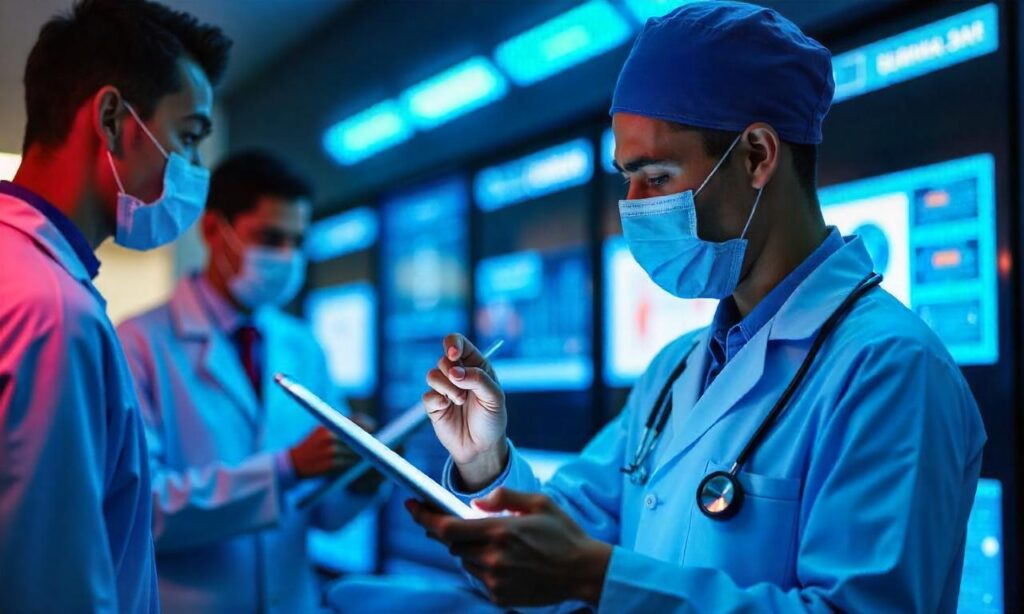
In recent years, tech innovations in healthcare have revolutionized the way medical professionals diagnose, treat, and manage patient care. From AI-powered diagnostics to wearable devices that monitor vital signs in real time, the integration of cutting-edge technology into the healthcare sector has not only improved efficiency but also enhanced the quality of patient outcomes. As the demand for faster, more accurate, and cost-effective healthcare solutions grows, tech innovations in healthcare are becoming essential tools in addressing global health challenges. This article explores the transformative power of these advancements, highlighting key areas where technology is reshaping the future of medicine.
The Role of Digital Technology in Modern Healthcare
Digital technology has fundamentally altered the healthcare landscape, streamlining processes and reducing administrative burdens. One of the most significant tech innovations in healthcare is the adoption of electronic health records (EHRs), which allow seamless sharing of patient data across different healthcare providers.
Electronic Health Records (EHRs)
EHRs have replaced traditional paper-based records, offering a centralized, accessible, and up-to-date platform for patient information. This innovation ensures that medical professionals can quickly access a patient’s history, allergies, medications, and previous treatments, improving decision-making and reducing errors. For instance, a doctor in a rural clinic can consult a specialist in a major city in seconds, facilitating better coordination of care.
Cloud Computing and Data Analytics
The rise of cloud computing has enabled healthcare organizations to store vast amounts of data securely and analyze it in real time. By leveraging data analytics, hospitals and clinics can identify patterns in patient data, predict outbreaks, and optimize resource allocation. For example, during the COVID-19 pandemic, cloud-based systems allowed for rapid tracking of infection rates, helping governments and health authorities make informed decisions.
Telemedicine and Remote Patient Monitoring
Telemedicine has emerged as a game-changer, especially in regions with limited access to medical facilities. Remote patient monitoring (RPM) tools, such as video consultations and mobile apps, enable patients to receive care from the comfort of their homes. This has been particularly beneficial for elderly populations and individuals with chronic conditions, reducing the need for frequent hospital visits.
Artificial Intelligence and Machine Learning: Redefining Diagnostics and Treatment
Artificial intelligence (AI) and machine learning (ML) are at the forefront of tech innovations in healthcare, offering unprecedented accuracy and speed in medical diagnostics. These technologies are being used to analyze complex data sets and identify patterns that human experts might miss.
AI in Medical Imaging
AI-powered imaging tools are transforming diagnostic accuracy. Machine learning algorithms can detect anomalies in X-rays, MRIs, and CT scans with remarkable precision. For instance, AI systems have been trained to identify early signs of cancer in radiology images, minimizing the risk of missed diagnoses. This not only saves time but also reduces the workload on radiologists, allowing them to focus on more complex cases.
Predictive Analytics and Personalized Medicine
Predictive analytics, driven by AI and machine learning, enables healthcare providers to forecast patient outcomes and tailor treatments accordingly. By analyzing genetic data, lifestyle factors, and medical history, these systems can recommend personalized therapies. For example, AI can predict which patients are at higher risk of developing diabetes based on their dietary habits and family history, empowering proactive interventions.
Automated Systems for Streamlined Operations
Automation is another area where AI and ML are making a significant impact. Automated systems can handle repetitive tasks such as scheduling appointments, managing medication orders, and even performing basic diagnostic tests. This reduces human error and improves operational efficiency, allowing healthcare staff to dedicate more time to patient interaction.
Wearable Devices and IoT: Enhancing Patient Engagement
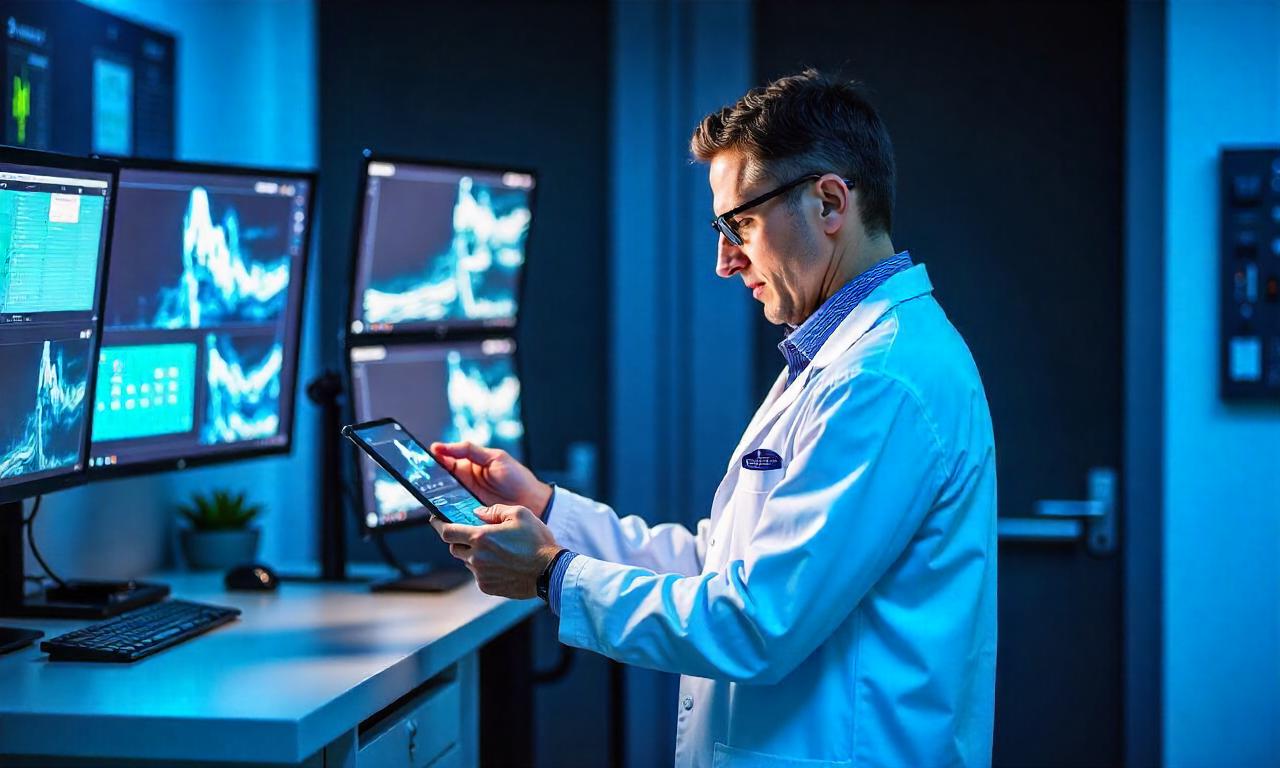
The Internet of Things (IoT) and wearable technology are empowering patients to take a more active role in their health management. These devices provide real-time data, enabling individuals to monitor their well-being and make informed decisions.
Smartwatches and Health Tracking
Smartwatches equipped with health sensors are becoming increasingly popular. These devices can track heart rate, blood pressure, and sleep patterns, offering valuable insights into a patient's daily health. For instance, the Apple Watch has been credited with detecting irregular heartbeats and alerting users to potential cardiac issues.
Continuous Glucose Monitors and Chronic Disease Management
For patients with diabetes, continuous glucose monitors (CGMs) are a breakthrough in managing the condition. These wearable devices provide real-time glucose level data, allowing for more precise insulin adjustments and reducing the risk of complications. Similarly, IoT-enabled devices for asthma or hypertension help patients stay within healthy ranges by sending alerts when readings deviate from norms.
Fitness Trackers and Preventive Healthcare
Fitness trackers are not just for athletes; they are now integral to preventive healthcare. These devices encourage healthy lifestyles by monitoring activity levels, calorie intake, and even stress indicators, promoting early detection of lifestyle-related diseases. As a result, tech innovations in healthcare are playing a pivotal role in shifting the focus from treatment to prevention.
The Future of Healthcare: Emerging Technologies and Challenges
As tech innovations in healthcare continue to evolve, new technologies are emerging that promise to further transform the industry. However, challenges such as data security and integration with existing systems must be addressed to ensure widespread adoption.
Blockchain for Secure Data Management
Blockchain technology is gaining traction in healthcare for its ability to secure patient data. This decentralized system ensures transparency and immutability, reducing the risk of data breaches and unauthorized access. By creating a tamper-proof record of medical transactions, blockchain enhances trust between patients and providers.
3D Printing and Customized Prosthetics
3D printing has enabled the creation of customized prosthetics and implants, tailoring solutions to individual patient needs. This technology reduces production costs and allows for faster manufacturing, making advanced treatments more accessible. Additionally, 3D-printed models of organs are being used for surgical planning, improving the accuracy of complex procedures.
Virtual Reality (VR) for Therapy and Training
Virtual reality (VR) is being utilized in both patient therapy and medical training. VR applications in mental health therapy help patients overcome phobias and manage pain through immersive experiences. Meanwhile, VR simulations are training healthcare professionals in high-risk scenarios, enhancing preparedness and reducing errors in real-world settings.
The Human Element in Tech-Driven Healthcare
While technology is advancing rapidly, the human element remains crucial. Healthcare professionals must adapt to these innovations while ensuring they are used ethically and effectively. For example, AI-assisted diagnosis should complement, not replace, the expertise of doctors, ensuring that technology enhances rather than diminishes the patient-provider relationship.
Conclusion
The integration of tech innovations in healthcare into medical practice has brought about a paradigm shift, making healthcare more accessible, efficient, and personalized. From digital records to AI-driven diagnostics and wearable devices, these technologies are not only improving patient outcomes but also reducing the burden on healthcare systems. However, as the industry embraces these advancements, it must also address challenges such as data privacy, cost, and the need for continuous training. By leveraging technology responsibly, the future of medicine promises to be more innovative, precise, and patient-centered than ever before.
